
The Short-tailed Nighthawk: A Detailed Exploration of Lurocalis semitorquatus
The Short-tailed Nighthawk (Lurocalis semitorquatus) is a fascinating avian species that has intrigued ornithologists and bird enthusiasts alike. This nocturnal bird, belonging to the family Caprimulgidae, is known for its unique adaptations, intriguing behaviors, and habitat preferences. With its characteristic short tail and distinctive flight patterns, the Short-tailed Nighthawk serves as a remarkable example of avian specialization in the neotropical regions.
Taxonomy and Physical Description
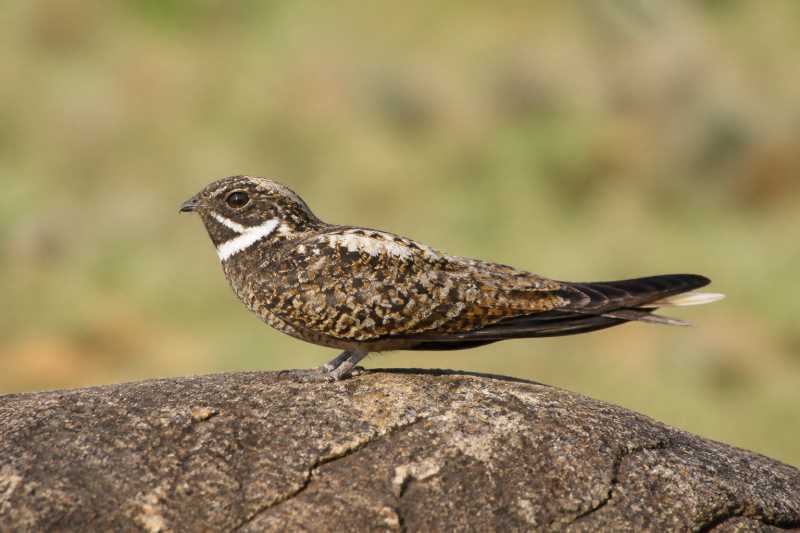
The Short-tailed Nighthawk is scientifically classified under the genus Lurocalis, and its species name ‘semitorquatus’ refers to its distinctive half-collar marking. This bird is relatively small, with a body length ranging from 20 to 23 centimeters and a wingspan of approximately 51 to 58 centimeters. As its name suggests, the Short-tailed Nighthawk features a notably abbreviated tail compared to its nighthawk relatives, a characteristic that aids in its agile flight.
Its plumage is predominantly dark brown with intricate mottling that provides excellent camouflage against the forest floor. The bird’s appearance is further accentuated by its large eyes and small, yet powerful, bill adapted for catching insects mid-flight. These morphological features are crucial for its nocturnal lifestyle, enhancing its ability to hunt effectively in low light conditions.
Habitat and Distribution
Lurocalis semitorquatus is predominantly found in the tropical and subtropical regions of Central and South America. Its range extends from Southern Mexico through Central America, reaching as far south as Bolivia and northeastern Argentina. The Short-tailed Nighthawk is typically associated with lowland rainforests, open woodlands, and edges of moist forests, where it benefits from a rich supply of aerial insects.
This species exhibits a preference for habitats near water bodies, such as rivers and streams, which provide abundant feeding opportunities. It is also known to inhabit secondary forests and plantations, showcasing its adaptability to modified landscapes. However, deforestation and habitat loss pose significant threats to its populations, necessitating conservation efforts to preserve its natural environments.
Behavior and Diet
The Short-tailed Nighthawk is primarily nocturnal, embarking on its hunting expeditions shortly after dusk. It is an aerial insectivore, feeding almost exclusively on flying insects such as moths, beetles, and flying ants. Its hunting technique involves swift, agile flights interspersed with brief periods of hovering, allowing it to capture prey with remarkable precision.
During the day, this nighthawk is often seen roosting on horizontal branches or lying flat on the forest floor, relying on its cryptic coloration for concealment. Unlike some of its relatives, the Short-tailed Nighthawk does not form large flocks, tending to be solitary or found in pairs. Its vocalizations, a series of soft, whistling calls, are most often heard during the breeding season.
Breeding and Reproduction
The breeding habits of the Short-tailed Nighthawk are characterized by simplicity and minimalistic nesting practices. Typically, it does not construct a traditional nest; instead, it lays its eggs directly on the ground, often on bare soil or among leaf litter. Clutch size is generally one to two eggs, with both parents sharing the responsibility of incubation and care of the young.
The eggs are well camouflaged, blending seamlessly with their surroundings, which offers some protection from predators. The young are precocial, meaning they are relatively mature and mobile from the moment of hatching, which is a crucial adaptation for survival in the wild.
Conservation Status
Currently, the Short-tailed Nighthawk is listed as Least Concern by the International Union for Conservation of Nature (IUCN). Despite facing threats from habitat destruction and environmental changes, its broad range and adaptability have enabled stable population levels in many areas. However, continued monitoring and habitat preservation efforts are essential to ensure the long-term survival of this species.
In conclusion, the Short-tailed Nighthawk is a testament to the incredible diversity and adaptability of avian life in the neotropics. Its unique characteristics and ecological role underscore the importance of conserving its habitats and understanding its life history. For birdwatchers and researchers alike, observing this elusive bird in its natural environment offers invaluable insights into the complexity and beauty of nocturnal avifauna.
Related posts


