Introduction
Spurrell’s Woolly Bat (Kerivoula phalaena) is a fascinating species within the diverse mammalian order of Chiroptera, commonly known as bats. This species belongs to the family Vespertilionidae, which is characterized by its broad diversity and adaptability. Bats play essential roles in various ecosystems, particularly as pollinators and insect controllers. Spurrell’s Woolly Bat is notable for its unique adaptations and ecological niche, offering intriguing insights into the evolutionary dynamics of bats.
Understanding the biology and ecology of Spurrell’s Woolly Bat is crucial for preserving biodiversity and maintaining healthy ecosystems. This article delves into the physical characteristics, habitat, behavior, and conservation status of this remarkable species, providing a comprehensive overview for researchers, conservationists, and wildlife enthusiasts.
Physical Description
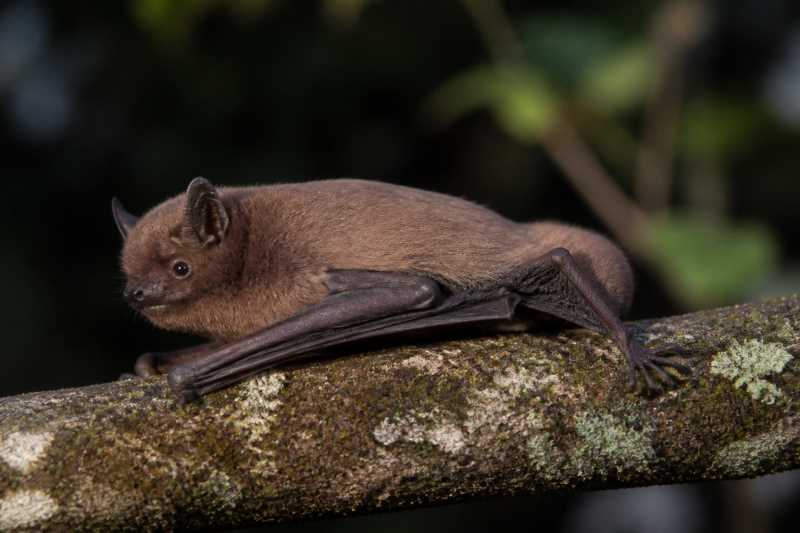
Spurrell’s Woolly Bat is a small-sized bat species characterized by its distinctive woolly fur, which is an adaptation to its specific habitat conditions. The fur is typically dense and soft, providing insulation against varying temperatures. The coloration of their fur usually ranges from light brown to a more tawny hue, which helps in blending with their natural surroundings.
The average body length of Kerivoula phalaena ranges from 4 to 5 centimeters, and it has a wingspan of approximately 25 to 30 centimeters. Despite its small size, this bat exhibits strong flight capabilities, thanks to its broad wings adapted for maneuverability in dense forest canopies.
Anatomically, Spurrell’s Woolly Bat displays typical chiropteran features such as large eyes adapted for low-light conditions and echolocation abilities for navigation and hunting. Their ears are relatively large compared to their head size, facilitating enhanced auditory perception, which is crucial for detecting prey and avoiding obstacles.
Range and Habitat
Kerivoula phalaena is predominantly found in the tropical regions of West and Central Africa, where it inhabits dense rainforests and wooded savannas. The distribution of Spurrell’s Woolly Bat spans countries such as Cameroon, Ghana, and Nigeria, with some populations reported in other adjoining areas.
The species prefers habitats with abundant foliage and canopy cover, which provide ample roosting sites and protection from predators. These environments also support a rich diversity of insects, forming the primary diet of the bat. Additionally, Spurrell’s Woolly Bat is often found near water bodies, which are crucial for both foraging and hydration.
The choice of habitat is influenced by the availability of food resources, roosting sites, and suitable microclimatic conditions, all of which are critical for the survival and reproduction of the species.
Behavior and Diet
Spurrell’s Woolly Bat is primarily nocturnal, with peak activity occurring during the night. During daylight hours, these bats roost in tree hollows, under bark, or in dense foliage, where they remain concealed from predators.
The diet of Kerivoula phalaena consists mainly of insects, making it an insectivorous species. They employ echolocation to detect and capture prey, utilizing their acute auditory sense to pinpoint the location of insects. This hunting technique is highly efficient, allowing the bats to consume large quantities of insects, thus playing a vital role in controlling pest populations.
Socially, Spurrell’s Woolly Bat is known to roost in small groups, although solitary roosting has also been observed. The social structure within groups can vary, often influenced by environmental conditions and food availability.
Identification Tips (Field Recognition Cues)
Identifying Spurrell’s Woolly Bat in the field requires keen observation skills and knowledge of specific morphological and behavioral traits:
- Fur Texture and Color: Look for the distinctive woolly texture of the fur, which is typically light brown to tawny.
- Size and Wingspan: Note the small body size (4-5 cm) and relatively large wingspan (25-30 cm), which is characteristic of this species.
- Echolocation Calls: Listen for the high-frequency echolocation calls, which are often beyond the range of human hearing but can be detected using bat detectors.
- Roosting Behavior: Observe potential roosting sites such as tree hollows and dense foliage during the day.
- Flight Patterns: Watch for agile and erratic flight patterns, indicative of bats hunting for insects in forested environments.
Conservation Status (with Threats and Protections)
As of the latest assessments, Spurrell’s Woolly Bat is listed as "Least Concern" on the IUCN Red List. Despite this classification, the species faces several threats that could impact its population numbers and habitat availability.
Threats
- Habitat Destruction: Deforestation and land-use changes for agriculture and urban development pose significant threats to the natural habitats of Spurrell’s Woolly Bat.
- Pesticide Use: The widespread use of pesticides can reduce insect populations, thereby affecting the food supply for these insectivorous bats.
- Climate Change: Alterations in climate patterns can lead to habitat degradation and changes in prey availability.
Protections
Efforts to conserve Spurrell’s Woolly Bat involve habitat protection and restoration, particularly in key areas within its range. Establishing protected areas and promoting sustainable land-use practices are crucial steps toward ensuring the long-term survival of the species.
Furthermore, raising awareness and conducting research on the ecological role of bats can help garner support for conservation initiatives.
Frequently Asked Questions
What do Spurrell’s Woolly Bats eat?
Spurrell’s Woolly Bats are primarily insectivorous, feeding on a variety of insects. They use echolocation to hunt and capture their prey, contributing to pest control in their ecosystems.
Where are Spurrell’s Woolly Bats found?
These bats are found in the tropical regions of West and Central Africa, inhabiting dense rainforests and wooded savannas across countries like Cameroon, Ghana, and Nigeria.
How do Spurrell’s Woolly Bats navigate?
Spurrell’s Woolly Bats use echolocation to navigate and hunt. They emit high-frequency calls that bounce off objects, allowing them to form a mental map of their surroundings.
Are Spurrell’s Woolly Bats endangered?
Currently, Spurrell’s Woolly Bats are not considered endangered and are listed as "Least Concern" by the IUCN. However, they face threats such as habitat destruction and pesticide use.
How can we help protect Spurrell’s Woolly Bats?
Protecting their habitats, reducing pesticide use, and supporting conservation initiatives are critical ways to help preserve Spurrell’s Woolly Bat populations.
Related posts