Caribbean Brown Bat (Eptesicus dutertreus)
Introduction
The Caribbean Brown Bat, scientifically known as Eptesicus dutertreus, is a fascinating species of bat native to the Caribbean region. This bat species is known for its adaptability and unique ecological role within its habitat. As a member of the Vespertilionidae family, the Caribbean Brown Bat shares many characteristics with its relatives but also has distinct features that set it apart. This article delves into the various aspects of the Caribbean Brown Bat, including its physical description, range, habitat, behavior, diet, identification tips, and conservation status, providing a comprehensive insight into this remarkable mammal.
Physical Description
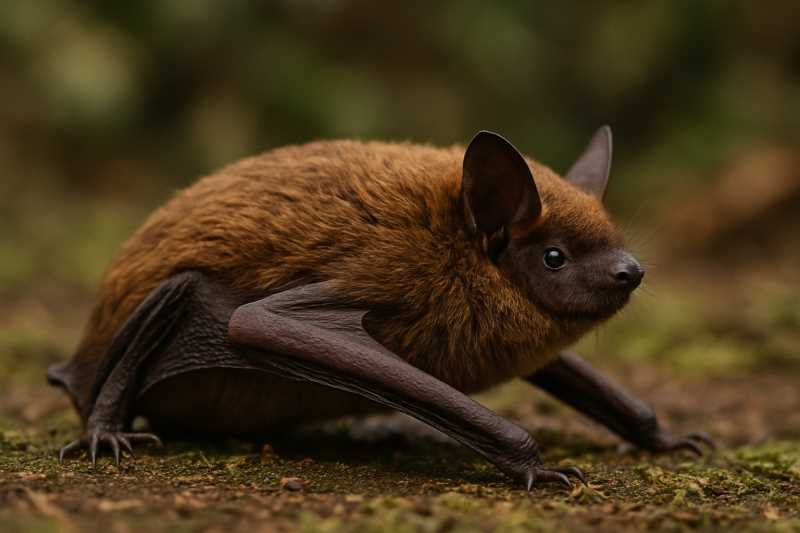
The Caribbean Brown Bat is a medium-sized bat, exhibiting a generally brown fur coat that varies slightly in shade depending on the individual and environmental factors. The dorsal side is typically a rich, chocolate brown, while the ventral side may be a lighter, buff color. This color variation serves as a camouflage mechanism within its natural habitat.
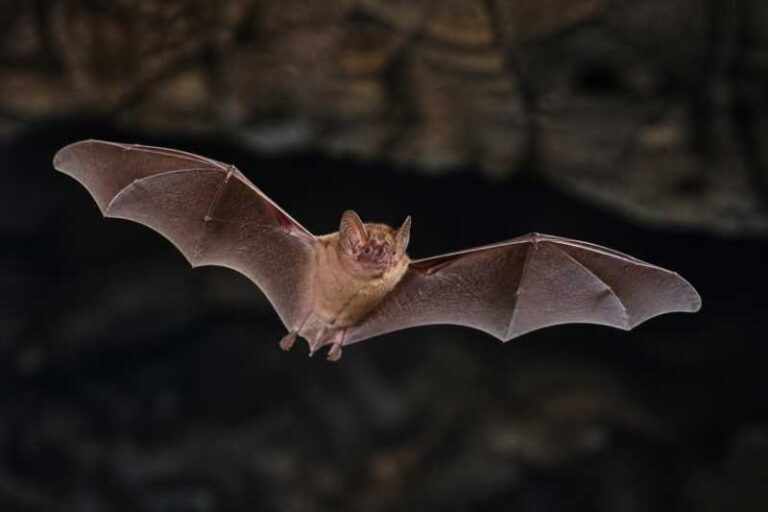
The bat has a robust body with a wingspan ranging from 28 to 34 centimeters, aiding in its agile flight capabilities. The ears of the Caribbean Brown Bat are relatively short, rounded, and covered with fine hair, which differentiates it from other species within the same genus. Its face is characterized by a blunt snout and small, beady eyes that are well-adapted for nocturnal activity.
The dental formula of the Caribbean Brown Bat is another distinctive feature, with sharp incisors and well-developed canines that enable it to efficiently consume its insectivorous diet. Overall, the physical attributes of the Caribbean Brown Bat are perfectly suited for its ecological niche.
Range and Habitat
The Caribbean Brown Bat is endemic to the Caribbean region, with its range primarily encompassing islands such as Jamaica, Cuba, and Hispaniola. This species thrives in a variety of habitats, including tropical rainforests, dry forests, and even urban areas where suitable roosting sites are available.
These bats are highly adaptable and can be found roosting in a variety of settings, such as caves, tree hollows, and man-made structures like abandoned buildings and attics. The availability of these roosting sites plays a crucial role in the distribution and population density of the Caribbean Brown Bat across its range.
Behavior and Diet
The Caribbean Brown Bat is a nocturnal species, emerging at dusk to commence its foraging activities. It exhibits a variety of flight patterns, which include swift, direct flights as well as more erratic, fluttering movements when hunting for prey.
The diet of the Caribbean Brown Bat primarily consists of insects, making it an invaluable component of the ecosystem by controlling insect populations. Its prey includes moths, beetles, and other flying insects commonly found in its habitat. The bat uses echolocation to detect and capture its prey, emitting high-frequency sound waves that bounce off objects and return to the bat, allowing it to navigate and hunt effectively in complete darkness.
In terms of social behavior, the Caribbean Brown Bat is known to roost in colonies, which can vary in size from a few individuals to several dozen. These colonies provide protection and increased foraging efficiency, as well as opportunities for social interaction among individuals.
Identification Tips (Field Recognition Cues)
Identifying the Caribbean Brown Bat in the field can be accomplished by observing several key characteristics:
- Fur Coloration: Look for the distinct brown coloration on the dorsal side and lighter ventral side.
- Wingspan: A medium-sized wingspan ranging from 28 to 34 centimeters is a notable feature.
- Ear Shape: Short, rounded ears with fine hair are distinctive features.
- Flight Patterns: Observing the bat’s flight behavior, which includes both swift and erratic movements, can aid in identification.
- Roosting Habits: This species is often found in colonies within caves, tree hollows, and human structures.
Conservation Status (With Threats and Protections)
The conservation status of the Caribbean Brown Bat is of concern, as it faces several threats that have contributed to a decline in population in certain areas. Habitat destruction, particularly the loss of roosting sites due to deforestation and urbanization, poses a significant threat to this species. Additionally, pesticide use can reduce prey availability and directly harm the bats.
Despite these threats, some protections are in place. The Caribbean Brown Bat is listed under various regional conservation programs aimed at preserving habitats and promoting awareness of the species’ ecological importance. Conservation efforts focus on habitat restoration, legal protection of roosting sites, and public education to reduce human disturbances.
Frequently Asked Questions
What do Caribbean Brown Bats eat?
Caribbean Brown Bats primarily consume insects, including moths and beetles, which they catch using echolocation during their nocturnal foraging activities.
How can I identify a Caribbean Brown Bat?
Key identification features include its brown fur, medium-sized wingspan, short rounded ears, and distinct flight patterns. Observing these traits can help in identifying the species in the field.
Where do Caribbean Brown Bats live?
These bats are found in the Caribbean region, roosting in habitats such as tropical rainforests, caves, and urban structures across islands like Jamaica and Cuba.
Are Caribbean Brown Bats endangered?
While not currently classified as endangered, the Caribbean Brown Bat faces threats from habitat destruction and pesticide use, necessitating conservation efforts to protect the species.
How do Caribbean Brown Bats use echolocation?
Caribbean Brown Bats emit high-frequency sound waves that bounce off objects and return to the bat, allowing them to navigate and hunt for prey in the dark.
Related posts