Introduction
The Enggano Island Rat (Rattus enganus) is a unique rodent species endemic to Enggano Island, situated off the southwestern coast of Sumatra, Indonesia. This elusive mammal is part of the Muridae family, which includes a wide variety of rodents. Despite its relatively limited geographical distribution, the Enggano Island Rat plays a significant role in the island’s ecosystem. This article delves into the various aspects of the Enggano Island Rat, from its physical characteristics and habitat to its behavior, diet, and conservation status.
Physical Description
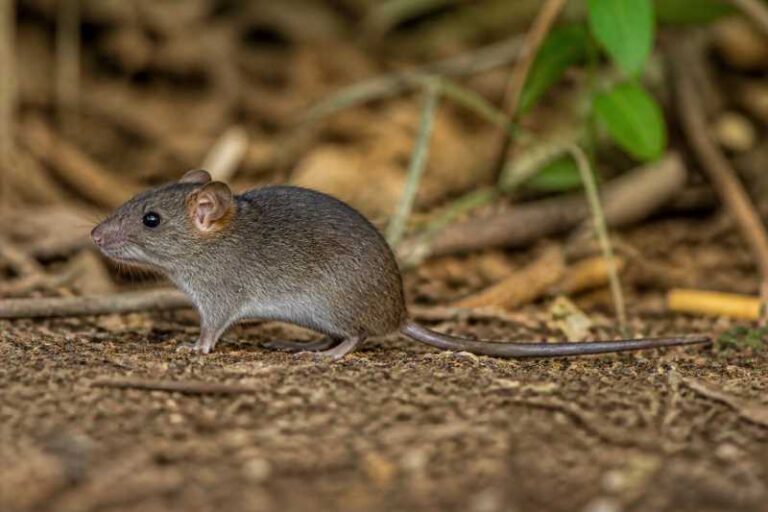
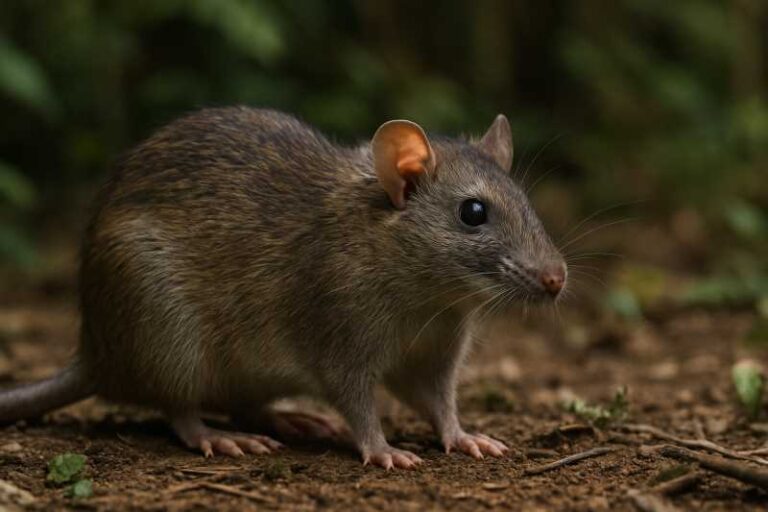
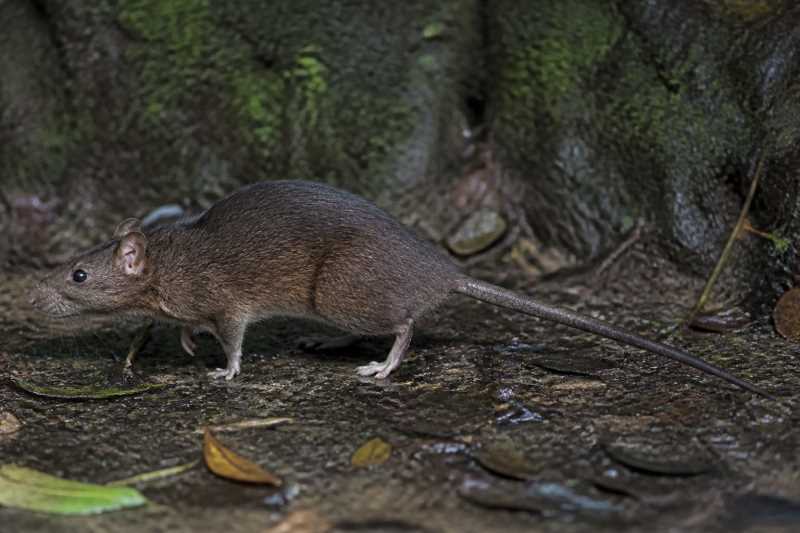
The Enggano Island Rat is a medium-sized rodent, characterized by its distinctively sleek and agile build. Adult individuals typically measure between 15 to 20 centimeters in body length, with an additional tail length that ranges from 10 to 14 centimeters. The fur of this species is generally dark brown or grey on the dorsal side, with a lighter, cream-colored underbelly. This coloration provides effective camouflage within its natural habitat, aiding in predator avoidance.
The Enggano Island Rat has sharp, elongated incisors that are well adapted for gnawing on a variety of plant materials. Its eyes are relatively small, indicative of its nocturnal lifestyle, while its ears are rounded and covered in short fur. The tail, which is slightly shorter than the body, is covered in fine scales and sparse hair, serving as a balancing tool when navigating the dense underbrush of its environment.
Range and Habitat
As its name suggests, the Enggano Island Rat is found exclusively on Enggano Island. This island’s unique geographical position and diverse habitats, ranging from dense rainforests to coastal scrublands, provide an ideal environment for the species. The island’s isolation has led to the evolution of several endemic species, with the Enggano Island Rat being a prime example.
The rat predominantly inhabits lowland forests, where it can find ample food resources and suitable nesting sites. However, it is also known to venture into secondary forests and occasionally agricultural areas, demonstrating a degree of adaptability. Despite this adaptability, the species remains highly dependent on the island’s forested areas for survival.
Behavior and Diet
The Enggano Island Rat is primarily nocturnal, spending the daylight hours in burrows or dense foliage to avoid predators. This nocturnal habit also helps it to avoid the hotter temperatures of the day, conserving energy for its nightly activities.
In terms of diet, the Enggano Island Rat is omnivorous, feeding on a wide range of food items. Its diet includes fruits, seeds, leaves, and small invertebrates, reflecting its opportunistic feeding behavior. This varied diet not only provides the necessary nutrients for survival but also plays a crucial role in seed dispersal, contributing to the health of the island’s forest ecosystems.
Identification Tips
Identifying the Enggano Island Rat in the field can be challenging due to its nocturnal and elusive nature. However, certain characteristics can assist in recognition:
- Size and Shape: Look for a medium-sized rodent with a streamlined body and a tail that is slightly shorter than the body length.
- Fur Coloration: Note the dark brown or grey dorsal fur contrasted with a lighter underbelly.
- Habitat Presence: The species is likely to be found in forested areas; look for signs of burrows or feeding activity at night.
- Behavior: Spotting this rat is more likely during nighttime when it is active, often heard rustling through underbrush.
Conservation Status
The Enggano Island Rat is currently categorized as a "Vulnerable" species by the International Union for Conservation of Nature (IUCN). The primary threat to its survival is habitat loss due to deforestation and land conversion for agriculture. The limited range of the species, confined to a single island, makes it particularly susceptible to environmental changes and human activities.
Conservation efforts are critical to protect the remaining forest habitats on Enggano Island. Local and international conservation organizations are working towards establishing protected areas and promoting sustainable land-use practices to safeguard the island’s biodiversity.
Frequently Asked Questions
1. What makes the Enggano Island Rat unique? The Enggano Island Rat is unique due to its endemic status, meaning it is found nowhere else in the world except Enggano Island. This isolation has led to distinct evolutionary traits.
2. How can I help in the conservation of the Enggano Island Rat? Support conservation efforts by contributing to organizations focused on protecting Enggano Island’s habitats. Raising awareness about the species and its plight also helps.
3. What are the major threats to the Enggano Island Rat? The major threats include deforestation, habitat fragmentation, and human encroachment, all of which reduce the available natural habitat for the species.
4. Why is the Enggano Island Rat important to the ecosystem? As a seed disperser, the Enggano Island Rat plays a vital role in maintaining the health and regeneration of the island’s forest ecosystems.
5. Are there any conservation programs for the Enggano Island Rat? Yes, several conservation programs aim to protect the island’s biodiversity by promoting sustainable practices and protecting critical habitats.
Related posts