Introduction
The Red Viscacha Rat (Tympanoctomys barrerae) is a unique and intriguing rodent species that captivates both scientists and wildlife enthusiasts. Known for its distinct appearance and specialized habitat preferences, this species is native to the arid regions of Argentina. As a member of the Octodontidae family, the Red Viscacha Rat has evolved several adaptations that enable it to thrive in harsh desert environments. In this comprehensive article, we will explore the various aspects of the Red Viscacha Rat, including its physical characteristics, distribution, behavior, and conservation status.
Physical Description
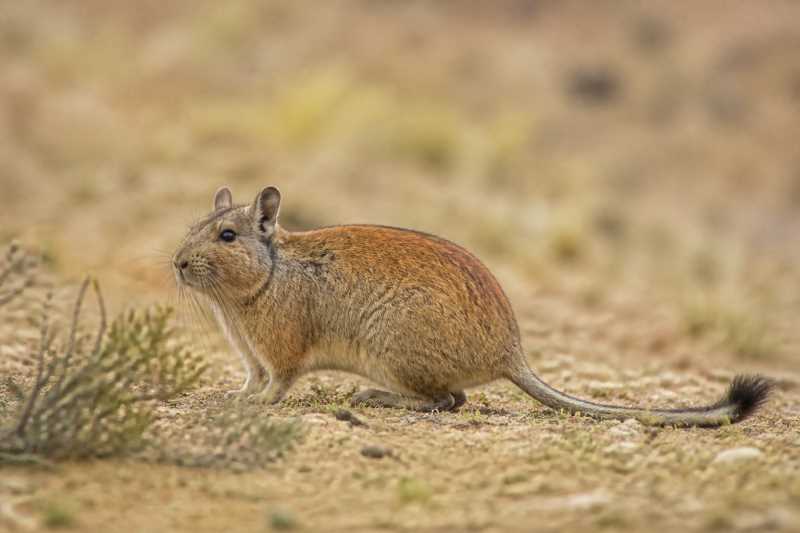
The Red Viscacha Rat is a medium-sized rodent characterized by its robust body and bushy tail. Adult individuals typically measure between 20 to 25 centimeters in length, with a tail length of approximately 15 to 18 centimeters. One of the most striking features of this species is its vibrant, reddish-brown fur, which provides effective camouflage against the desert landscape. The fur is dense and soft, offering insulation against temperature extremes.
Its head is relatively large, with prominent, rounded ears that give it an excellent sense of hearing—a crucial adaptation for detecting predators. The eyes are large and expressive, adapted for low-light conditions. The Red Viscacha Rat’s limbs are strong and equipped with sharp claws, allowing it to dig burrows efficiently.
Range and Habitat
The Red Viscacha Rat is endemic to the Monte Desert in Argentina, an area characterized by its dry climate and sparse vegetation. This region extends across several provinces, including La Rioja, San Juan, and Mendoza. The species is highly adapted to life in arid environments, where it occupies rocky outcrops and sandy plains.
Their habitat is typically composed of low shrubs and grasses, which provide both food and cover from predators. The Red Viscacha Rat constructs intricate burrow systems, which serve as protection from the harsh weather conditions and as a safe place to raise young. These burrows are often shared with other individuals, indicating a level of social behavior.
Behavior and Diet
The Red Viscacha Rat is primarily nocturnal, which helps it avoid the extreme daytime temperatures of its desert habitat. During the cooler night hours, it emerges to forage for food. Its diet consists mainly of seeds, leaves, and stems of desert-adapted plants. The species has developed a remarkable ability to extract moisture from its food, reducing its need for direct water sources.
Socially, the Red Viscacha Rat exhibits both solitary and communal behaviors. While it often forages alone, it is not uncommon to find several individuals sharing a burrow system. This social structure may provide added protection against predators.
Identification Tips
When attempting to identify the Red Viscacha Rat in the field, there are several key characteristics to look for:
- Coloration: Look for the distinctive reddish-brown fur that blends seamlessly with the desert sands.
- Tail: A bushy tail that is almost as long as its body, often held upright.
- Ears and Eyes: Prominent, rounded ears and large eyes are notable features.
- Size: Medium-sized, with a robust body structure.
Conservation Status
The Red Viscacha Rat is currently classified as Near Threatened by the International Union for Conservation of Nature (IUCN). The primary threats to its survival include habitat destruction due to agricultural expansion, mining activities, and human settlement. Additionally, climate change poses a long-term threat by altering the delicate balance of its desert ecosystem.
Conservation efforts are focused on habitat preservation and management. Protected areas have been established in parts of its range to safeguard against habitat loss. Ongoing research aims to better understand the species’ ecology and inform conservation strategies.
Frequently Asked Questions
1. What is the natural habitat of the Red Viscacha Rat?
The Red Viscacha Rat is found in the Monte Desert of Argentina, where it inhabits rocky outcrops and sandy plains with sparse vegetation.
2. How does the Red Viscacha Rat adapt to its environment?
It has developed adaptations such as nocturnal behavior, efficient burrowing, and a diet that allows it to extract moisture from food, reducing its water needs.
3. What are the main threats to the Red Viscacha Rat?
The main threats include habitat destruction from agriculture and mining, as well as climate change impacts on its desert habitat.
4. How can the Red Viscacha Rat be identified in the wild?
Look for its reddish-brown fur, bushy tail, large ears, and eyes. It is a medium-sized rodent with a robust build.
5. What efforts are being made to conserve the Red Viscacha Rat?
Conservation efforts include habitat protection, research on its ecology, and the establishment of protected areas within its range.
Related posts