Introduction
The Karoko Hill Rat, scientifically known as Bunomys karokophilus, is a fascinating rodent species endemic to the island of Sulawesi in Indonesia. This elusive mammal has piqued the interest of biologists and nature enthusiasts alike due to its unique characteristics and specialized habitat. Understanding the Karoko Hill Rat is essential not only for appreciating biodiversity but also for gauging the ecological health of its native environment. In this article, we delve deep into the world of the Karoko Hill Rat, exploring its physical description, range, habitat, behavior, diet, identification tips, and conservation status.
Physical Description
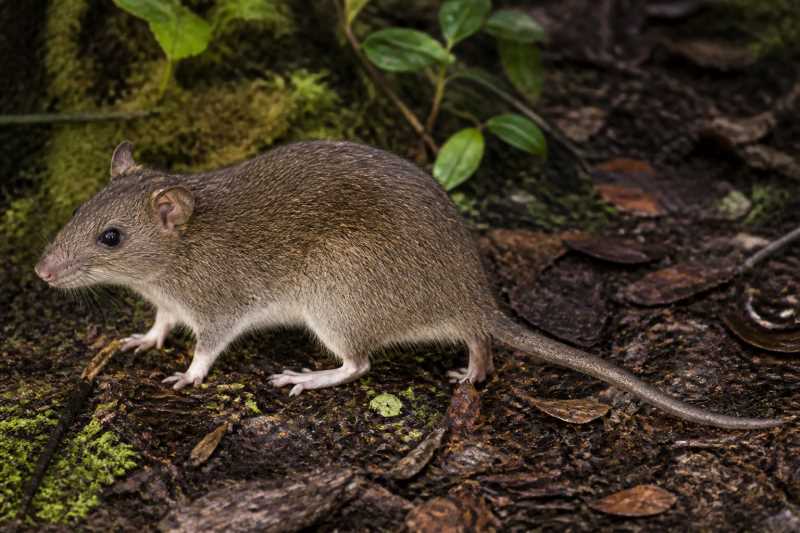
The Karoko Hill Rat is a medium-sized rodent, notable for its robust body and dense fur. Typically, an adult weighs between 150 to 250 grams and measures approximately 20 to 25 centimeters in body length, excluding its tail. The tail itself is nearly equal in length to the body, aiding in balance and agility.
The fur of the Karoko Hill Rat is a distinguishing feature, with a coarse texture that offers protection against the elements. The dorsal side is usually a dark brown or grayish color, providing camouflage in its forested habitat. The ventral side is lighter, often a creamy white or pale gray, which may assist in heat regulation.
The head of the Karoko Hill Rat is characterized by a pointed snout and large, dark eyes that suggest nocturnal tendencies. Its ears are small and rounded, lying close to the head. The limbs are well-developed, with strong claws adapted for digging and climbing.
Range and Habitat
The Karoko Hill Rat is endemic to the island of Sulawesi, a region known for its complex topography and rich biodiversity. It primarily inhabits the Karoko Hills, a mountainous area that provides a unique ecological niche. These hills are covered with dense tropical rainforest, featuring a canopy that offers both protection and a diverse food supply.
The altitude at which the Karoko Hill Rat is found ranges from 500 to 1,500 meters above sea level. This elevation provides a cooler climate and reduces competition from other rodent species, facilitating its survival. The rat is predominantly found in areas with thick undergrowth and abundant leaf litter, which offer ample cover and foraging opportunities.
Behavior and Diet
The Karoko Hill Rat is primarily nocturnal, spending the daytime hours resting in burrows or under dense vegetation. This behavior not only helps avoid predators but also reduces exposure to the sun’s heat. Its activity peaks during the night when it forages for food.
The diet of the Karoko Hill Rat is omnivorous, consisting of fruits, seeds, and small invertebrates. Its strong incisors are well adapted for gnawing through tough plant material, while its agile limbs allow it to capture insects and other small prey.
Socially, the Karoko Hill Rat is relatively solitary, with individuals maintaining distinct territories. Communication is primarily through vocalizations and scent markings. Breeding occurs throughout the year, with females typically giving birth to litters of two to four young after a gestation period of approximately 30 days.
Identification Tips
For field researchers and wildlife enthusiasts aiming to identify the Karoko Hill Rat, there are several key features to observe:
- Fur Coloration: Look for the distinctive dark brown or grayish dorsal fur and lighter ventral fur.
- Tail Length: The tail is nearly as long as the body and is used for balance.
- Size: A medium-sized rodent with a body length of 20 to 25 centimeters.
- Ears and Snout: Small, rounded ears and a pointed snout.
- Habitat: Found in the dense undergrowth of Sulawesi’s Karoko Hills.
Conservation Status
The Karoko Hill Rat is currently listed as a species of Least Concern on the IUCN Red List. However, it faces several threats that could impact its population in the future. The primary threat is habitat destruction due to deforestation and agricultural expansion in Sulawesi. As forests are cleared for palm oil plantations and other agricultural activities, the rat’s habitat becomes increasingly fragmented.
Conservation efforts are crucial to ensure the survival of the Karoko Hill Rat. These include habitat protection, reforestation projects, and the establishment of protected areas. Additionally, raising awareness about the ecological importance of preserving Sulawesi’s unique biodiversity can foster community support for conservation initiatives.
Frequently Asked Questions
What is the primary diet of the Karoko Hill Rat?
The Karoko Hill Rat is omnivorous, feeding on fruits, seeds, and small invertebrates. Its diet varies based on seasonal availability and environmental conditions.
Where can the Karoko Hill Rat be found?
The Karoko Hill Rat is endemic to the Karoko Hills of Sulawesi, Indonesia, inhabiting dense tropical rainforests at altitudes of 500 to 1,500 meters.
How does the Karoko Hill Rat adapt to its environment?
The Karoko Hill Rat adapts to its environment through its nocturnal habits, camouflage fur, and strong incisors for a varied diet. Its habitat preferences help avoid competition and predation.
What threats does the Karoko Hill Rat face?
The primary threats include habitat destruction due to deforestation and agricultural expansion in Sulawesi. Conservation efforts are necessary to mitigate these threats.
How can the Karoko Hill Rat be identified in the wild?
Key identification features include its dark brown or grayish dorsal fur, lighter ventral fur, a tail nearly equal in length to its body, and its presence in dense forest undergrowth.
Related posts