Introduction
Dalton’s Soft-furred Mouse, scientifically known as Praomys daltoni, is a small mammal species that belongs to the family Muridae. This species is notable for its soft fur and adaptability to various environments. Despite its small size, Dalton’s Soft-furred Mouse plays an essential role in its ecosystem, primarily through its interactions with the environment and as a prey species for various predators. Understanding this species is crucial for conservation efforts and for maintaining the delicate balance in its natural habitat.
Physical Description
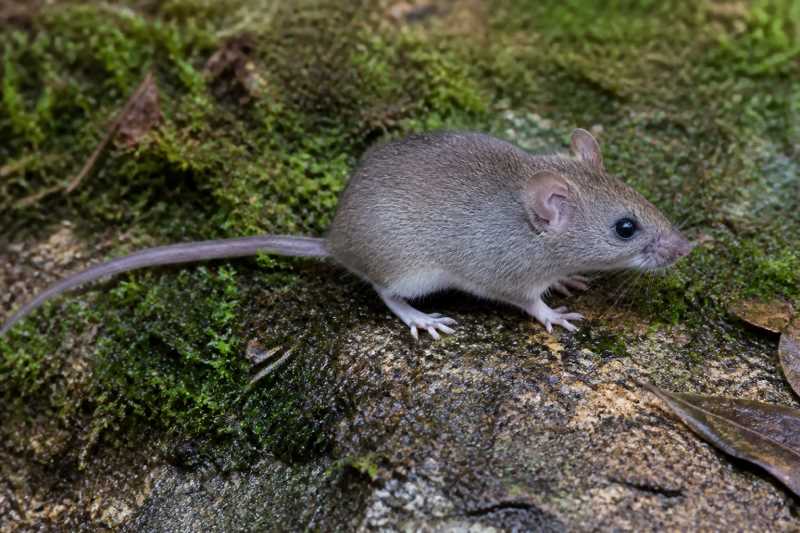
Dalton’s Soft-furred Mouse is characterized by its small size and soft fur. Adults typically weigh between 20 and 40 grams and have a body length ranging from 7 to 13 centimeters, excluding the tail. The tail itself is usually slightly longer than the body, measuring between 8 and 14 centimeters. This mouse is covered in fine, dense fur that is predominantly brown or gray on the dorsal side, with a lighter, whitish color on the ventral side. This coloration provides excellent camouflage in its natural habitat.
The species has a pointed snout and large, round ears that are well adapted for their nocturnal lifestyle, allowing them to detect predators and navigate through their environment effectively. Their eyes are also relatively large, aiding them in low-light conditions.
Range and Habitat
Dalton’s Soft-furred Mouse can be found in various regions across West Africa, including countries such as Nigeria, Mali, and Guinea. This species is highly adaptable and thrives in a range of habitats, from dense forests to savannas and agricultural lands. They prefer environments with ample ground cover, which provides protection from predators and harsh weather conditions.
These mice are known for their ability to build intricate burrow systems that serve as protection from predators and extreme weather. These burrows are often located near food sources, which consist primarily of seeds, fruits, and insects.
Behavior and Diet
Dalton’s Soft-furred Mouse is primarily nocturnal, meaning it is most active during the night. This behavior helps the species avoid daytime predators and the intense heat of the African sun. They are solitary creatures, with each individual maintaining its territory, which it marks with scent glands.
Their diet is omnivorous and primarily consists of seeds, fruits, and various insects. This varied diet allows them to survive in different habitats by taking advantage of the available resources. They have also been known to consume small invertebrates, which provides them with essential proteins and nutrients.
Identification Tips (Field Recognition Cues)
Identifying Dalton’s Soft-furred Mouse in the field requires careful observation. Key identification tips include:
- Size and Body Shape: Look for a small rodent with a body length of 7-13 cm and a tail that is slightly longer than the body.
- Fur Texture and Color: Note the soft, dense fur that is brown or gray dorsally and whitish ventrally. This coloration is a distinguishing characteristic.
- Ears and Eyes: Large, round ears and prominent eyes are indicative of this species.
- Behavioral Patterns: Observe nocturnal activity and solitary behavior, often near ground cover or burrow entrances.
- Vocalizations: Listen for high-pitched squeaks that are typical of this species, especially during nighttime foraging.
Conservation Status (With Threats and Protections)
Currently, Dalton’s Soft-furred Mouse is listed as a species of Least Concern on the IUCN Red List. Despite this classification, the species faces several threats that could impact its population if not managed properly.
Threats:
- Habitat Destruction: Deforestation and agricultural expansion are significant threats, leading to habitat loss and fragmentation.
- Predation: Natural predators include snakes, birds of prey, and larger mammals.
- Climate Change: Alterations in weather patterns can affect food availability and habitat conditions.
Protections:
- Protected Areas: Some populations reside within protected regions, which help shield them from habitat destruction.
- Conservation Programs: Initiatives to preserve West African habitats indirectly benefit this species by maintaining the ecosystems they depend on.
Frequently Asked Questions
What adaptations help Dalton’s Soft-furred Mouse survive in its habitat? Dalton’s Soft-furred Mouse has several adaptations, including nocturnal behavior to avoid predators, a varied diet to exploit different food sources, and a keen sense of hearing and smell for navigation and detecting threats.
How does Dalton’s Soft-furred Mouse contribute to the ecosystem? This species plays a vital role in seed dispersal, which aids in plant reproduction. Additionally, as a prey species, it supports higher trophic levels, maintaining ecological balance.
What are the main threats to Dalton’s Soft-furred Mouse? The primary threats include habitat destruction due to human activities, predation by natural predators, and environmental changes due to climate change.
How can we help protect Dalton’s Soft-furred Mouse? Supporting conservation efforts aimed at preserving natural habitats and promoting sustainable agricultural practices can help protect this species. Raising awareness about the ecological importance of small mammals also contributes to their conservation.
Where can Dalton’s Soft-furred Mouse be found? This species is found in West Africa, particularly in countries like Nigeria, Mali, and Guinea, inhabiting forests, savannas, and agricultural areas.
Related posts