Cinnamon Dog-faced Bat (Cynomops abrasus): A Comprehensive Guide
Introduction
The Cinnamon Dog-faced Bat, scientifically known as Cynomops abrasus, is a fascinating species belonging to the Molossidae family. This species of bat is recognized for its distinctive dog-like face and its cinnamon-colored fur. Despite its relatively obscure reputation, the Cinnamon Dog-faced Bat plays a crucial role in the ecosystems it inhabits. In this article, we will delve into the various aspects of this intriguing mammal, including its physical description, habitat, behavior, and more.
Physical Description
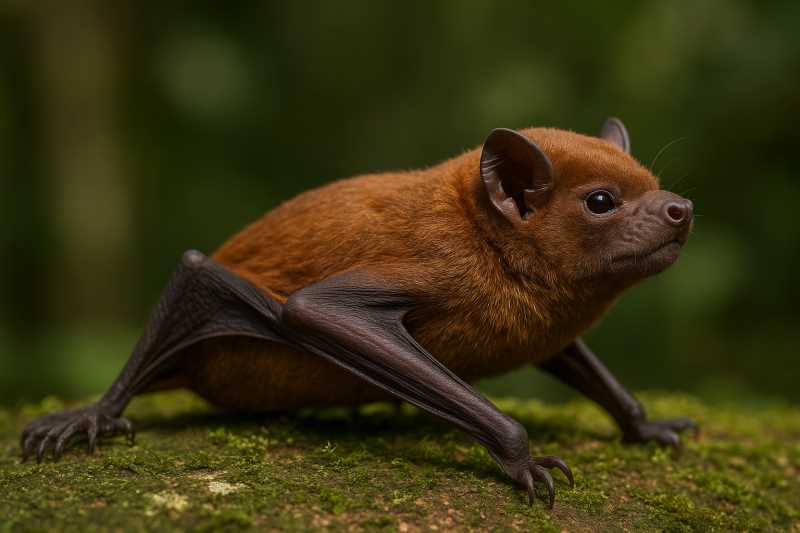
Cinnamon Dog-faced Bats are medium-sized bats with a wingspan ranging from 30 to 35 centimeters and a body length of 8 to 10 centimeters. As their name suggests, these bats possess a dog-like face characterized by a short, broad muzzle and large, forward-facing eyes. The ears are rounded and set widely apart, enhancing their keen sense of hearing, which is essential for echolocation.
The fur of the Cinnamon Dog-faced Bat is its most distinctive feature, showcasing a rich, cinnamon-brown hue that provides excellent camouflage against the bark of trees and the forest floor. Their underparts are slightly paler, adding to the contrast and visual appeal. The wing membranes are dark and leathery, typical of many bat species, aiding in their nocturnal lifestyle.
Range and Habitat
Cynomops abrasus is predominantly found in the lowland tropical and subtropical forests of Central and South America. Their range extends from southern Mexico through Central America and into northern South America, including countries such as Brazil, Colombia, and Peru.
These bats prefer habitats that offer ample roosting sites, such as tree hollows, caves, and occasionally man-made structures. They are highly adaptable and can thrive in both pristine and secondary forests, provided there is an abundant supply of food and roosting opportunities.
Behavior and Diet
Cinnamon Dog-faced Bats are nocturnal creatures, spending their days roosting in large colonies that can number in the hundreds. As night falls, they emerge from their roosts to forage for food. Their diet primarily consists of insects, which they catch in mid-flight using their agile flying abilities and acute sense of echolocation.
These bats are known for their fast and direct flight patterns, often traveling several kilometers in search of food. They play a vital role in controlling insect populations, making them essential contributors to the ecological balance of their habitats.
Identification Tips (Field Recognition Cues)
Identifying the Cinnamon Dog-faced Bat in the field requires attention to several key characteristics:
- Facial Features: Look for a short, broad muzzle and large, round eyes, giving them a dog-like appearance.
- Fur Color: The rich cinnamon-brown hue of their fur is a standout feature, with paler underparts.
- Ears: Rounded and widely spaced, aiding in their echolocation capabilities.
- Flight Pattern: Observe their fast, direct flight, often close to the ground or around vegetation.
Conservation Status (with Threats and Protections)
The conservation status of the Cinnamon Dog-faced Bat is currently classified as Least Concern by the International Union for Conservation of Nature (IUCN). However, like many bat species, they face several threats that could impact their populations in the future.
Threats
- Habitat Loss: Deforestation and land conversion for agriculture and urban development are significant threats to their natural habitats.
- Pesticide Use: The widespread use of pesticides can reduce their insect prey availability and pose direct toxicity risks.
- Climate Change: Alterations in climate patterns can affect the availability of food and suitable roosting sites.
Protections
Conservation efforts for the Cinnamon Dog-faced Bat include habitat preservation and restoration initiatives, as well as public education programs to raise awareness about the ecological importance of bats. Protected areas and national parks within their range also offer refuge from habitat destruction.
Frequently Asked Questions
1. What does the Cinnamon Dog-faced Bat eat?
The Cinnamon Dog-faced Bat primarily feeds on insects, including moths, beetles, and other small flying invertebrates. Their echolocation abilities allow them to hunt efficiently in the dark.
2. Where can the Cinnamon Dog-faced Bat be found?
These bats are found in lowland tropical and subtropical forests from southern Mexico to northern South America, including countries such as Brazil, Colombia, and Peru.
3. How does the Cinnamon Dog-faced Bat contribute to the ecosystem?
As insectivores, Cinnamon Dog-faced Bats play a crucial role in controlling insect populations, thereby helping maintain ecological balance and reducing pest-related issues.
4. Are Cinnamon Dog-faced Bats endangered?
Currently, the Cinnamon Dog-faced Bat is classified as Least Concern by the IUCN. However, they face threats from habitat loss and environmental changes that could impact their populations.
Related posts