Introduction
The Baoule Mouse, scientifically known as Mus baoulei, is a small rodent species belonging to the family Muridae. This diminutive mammal is indigenous to the savannas and grasslands of West Africa, where it plays a crucial role in the ecosystem as both prey and seed disperser. Understanding the Baoule Mouse’s characteristics, behavior, and conservation status is essential for appreciating its ecological significance and implementing effective conservation strategies.
Physical Description
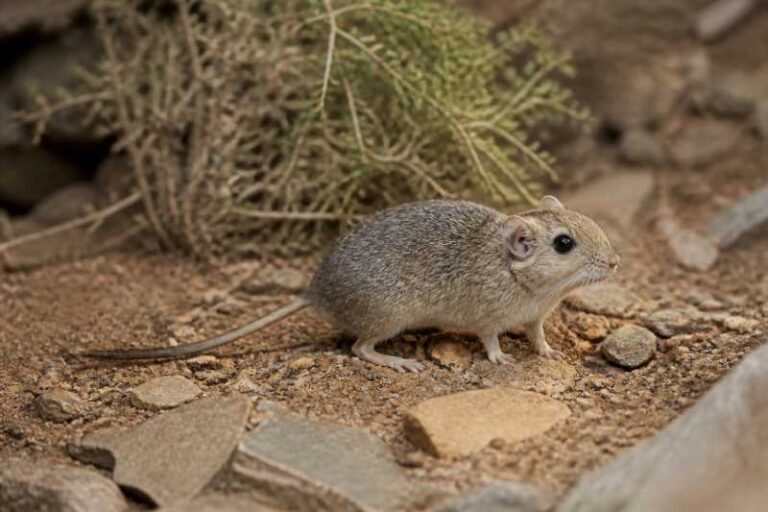
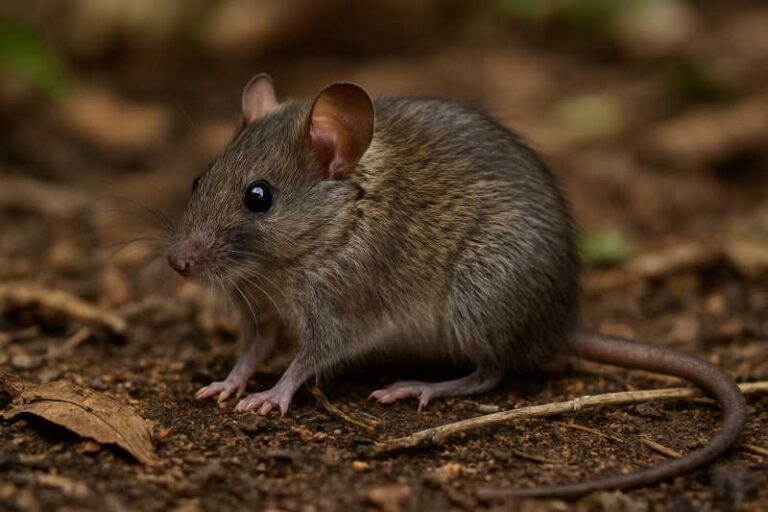
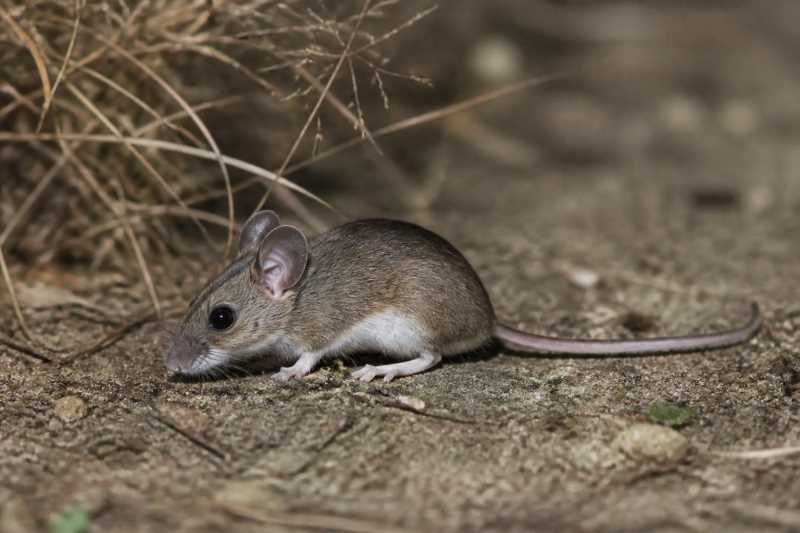
The Baoule Mouse is a small, agile rodent, typically measuring between 10 to 12 centimeters in body length, with an additional tail length of approximately 9 to 11 centimeters. The species exhibits sexual dimorphism, with males generally being slightly larger than females. Its fur is soft and dense, with a coloration that ranges from grayish-brown to reddish-brown, providing effective camouflage in its natural habitat. The underbelly is usually lighter, often white or cream-colored. The Baoule Mouse has large, rounded ears, which aid in detecting predators, and its eyes are relatively large, adapted for nocturnal activity.
Range and Habitat
The Baoule Mouse is primarily found in West Africa, with its range extending across countries such as Guinea, Ivory Coast, Ghana, and Burkina Faso. It thrives in a variety of habitats, including savannas, grasslands, and agricultural fields. The species is adaptable, occupying areas with varying degrees of vegetation cover, from open grasslands to more densely vegetated regions. The Baoule Mouse is known to construct burrows for shelter, which provide protection from predators and harsh weather conditions.
Behavior and Diet
This nocturnal creature is most active during the night when it forages for food. The Baoule Mouse’s diet is omnivorous, consisting of seeds, grains, fruits, and small invertebrates. As a seed disperser, it contributes to the propagation of various plant species, aiding in ecosystem maintenance and regeneration. Social behavior in Baoule Mice is minimal, as they are generally solitary, except during the breeding season. Communication between individuals primarily occurs through vocalizations and scent markings.
Identification Tips (Field Recognition Cues)
Identifying the Baoule Mouse in the wild requires a keen eye for detail. Key characteristics to look for include:
- Size and Shape: Small body, typically 10-12 cm in length, with a proportionally long tail.
- Coloration: Grayish-brown to reddish-brown fur with a lighter underbelly.
- Ears and Eyes: Large, rounded ears and relatively large eyes.
- Behavior: Primarily nocturnal, often observed foraging at night.
- Habitat: Presence in savannas, grasslands, and cultivated fields.
Conservation Status (with Threats and Protections)
Currently, the Baoule Mouse is not classified as endangered, but it faces several threats that could impact its population in the future. Habitat loss due to agricultural expansion, deforestation, and human encroachment poses significant risks. Additionally, the use of pesticides in farming can adversely affect their food sources and health. Conservation efforts focus on habitat preservation and creating awareness about the ecological role of the Baoule Mouse. Protected areas within its range play a crucial role in safeguarding its habitat, and ongoing research aims to better understand its ecological needs and adapt conservation strategies accordingly.
Frequently Asked Questions
Q1: What is the natural habitat of the Baoule Mouse? The Baoule Mouse is native to the savannas and grasslands of West Africa, specifically in countries like Guinea, Ivory Coast, Ghana, and Burkina Faso. It can also be found in agricultural fields, where it adapts to varying degrees of vegetation cover.
Q2: Is the Baoule Mouse endangered? No, the Baoule Mouse is not currently classified as endangered. However, it faces threats such as habitat loss and pesticide exposure, which could impact its population in the future.
Q3: What does the Baoule Mouse eat? The Baoule Mouse is omnivorous, feeding on seeds, grains, fruits, and small invertebrates. Its diet plays a vital role in seed dispersal and ecosystem maintenance.
Q4: How can I identify a Baoule Mouse in the wild? Look for small rodents with grayish-brown to reddish-brown fur, large ears, and eyes. They are nocturnal and most likely to be spotted at night in savannas, grasslands, or agricultural areas.
Q5: What role does the Baoule Mouse play in the ecosystem? The Baoule Mouse is an important seed disperser, contributing to plant propagation and ecosystem regeneration. It also serves as prey for various predators, maintaining the ecological balance.
Related posts