Introduction
The Eastern New Guinea Shrew Mouse, scientifically known as Pseudohydromys murinus, is a fascinating yet relatively understudied mammal native to the dense forests of Eastern New Guinea. Belonging to the family Muridae, this small rodent has adapted remarkably to its niche environment, showcasing unique characteristics that captivate biologists and wildlife enthusiasts alike. As we delve into the world of the Eastern New Guinea Shrew Mouse, we will explore its physical features, habitat, behavior, and conservation status, shedding light on this elusive species.
Physical Description
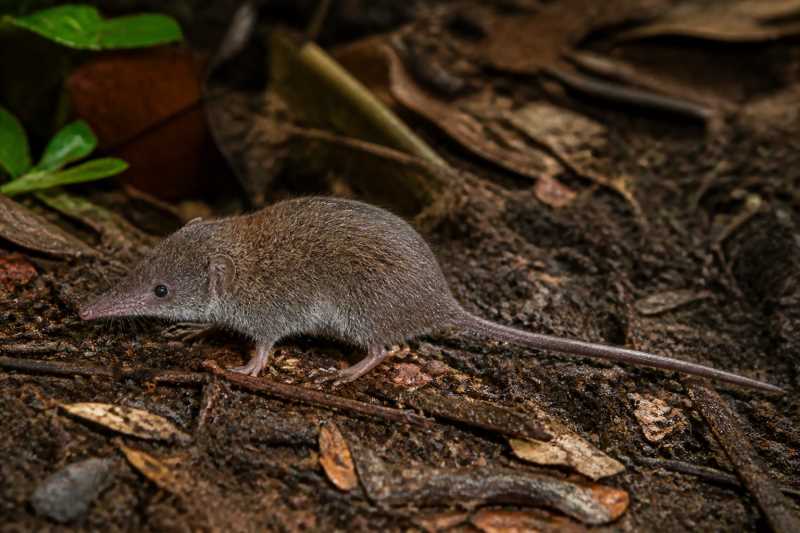
The Eastern New Guinea Shrew Mouse is a small, mouse-like rodent, typically measuring between 5 to 10 centimeters in body length, excluding the tail. Its tail adds an additional 6 to 9 centimeters, which is relatively long compared to its body. The fur of the Eastern New Guinea Shrew Mouse is soft and dense, primarily exhibiting a dark brown or grayish color, which provides excellent camouflage against the forest floor.
Its pointed snout and small, rounded ears are typical of shrew-like mammals, allowing it to forage effectively in its environment. The eyes of the Eastern New Guinea Shrew Mouse are small and beady, adapted to low-light conditions under the forest canopy. Its limbs are short, but the feet are well-suited for climbing and digging, giving this species the versatility it needs to thrive in its habitat.
Range and Habitat
The Eastern New Guinea Shrew Mouse is endemic to the island of New Guinea, specifically the eastern regions. It inhabits the dense, montane forests that cover much of this area, thriving in altitudes ranging from sea level to higher elevations. These forests provide a rich tapestry of resources, including leaf litter, fallen logs, and a plethora of insects, forming the ideal environment for this small mammal.
The choice of habitat is largely influenced by the availability of food and cover. The dense undergrowth and abundant leaf litter offer ample opportunities for foraging, while also providing crucial protection from predators. The species is seldom seen outside of these dense forest areas, as the open terrain does not offer the same level of sustenance or safety.
Behavior and Diet
The Eastern New Guinea Shrew Mouse is primarily nocturnal, engaging in most of its activity under the cover of darkness. This nocturnal lifestyle not only aids in avoiding predators but also takes advantage of the cooler nighttime temperatures, which suit its metabolic needs.
Its diet predominantly consists of insects and other small invertebrates, which it skillfully hunts using its acute sense of smell. The Eastern New Guinea Shrew Mouse is an opportunistic feeder, occasionally supplementing its diet with seeds and other plant matter when available. This dietary flexibility is crucial for its survival, especially in the varying seasonal conditions of its forest habitat.
Socially, the Eastern New Guinea Shrew Mouse is relatively solitary, coming together primarily for mating purposes. These interactions are brief, with little known about the specifics of their mating behaviors and reproductive cycles.
Identification Tips (Field Recognition Cues)
Identifying the Eastern New Guinea Shrew Mouse in the wild can be challenging due to its elusive nature and the dense habitat it occupies. However, several key characteristics can aid in its identification:
- Size and Shape: Look for a small rodent with a mouse-like body, characterized by its long tail and compact form.
- Fur Color: Its dark brown or grayish fur can be a distinguishing feature, blending with the forest floor.
- Snout and Ears: A pointed snout and small, rounded ears are indicative of its shrew-like appearance.
- Behavior: Observing its nocturnal behavior and preference for foraging in leaf litter can also assist in identification.
Conservation Status (With Threats and Protections)
Currently, the Eastern New Guinea Shrew Mouse is listed as a species of Least Concern by the International Union for Conservation of Nature (IUCN). However, like many species in New Guinea, it faces potential threats from habitat destruction and climate change.
Deforestation for agriculture and logging poses significant risks, as the loss of forest cover directly impacts their habitat and food sources. Climate change adds another layer of threat, potentially altering the delicate balance of their montane ecosystems.
Conservation efforts are essential to ensure the survival of this species. Protecting large swaths of their habitat through the establishment of reserves and sustainable forest management practices can mitigate some of these threats. Continued research and monitoring are also crucial to understanding the full extent of their ecological needs and the pressures they face.
Frequently Asked Questions
Why is this species unique?
The Eastern New Guinea Shrew Mouse is unique due to its adaptation to the montane forest environment of New Guinea. Its shrew-like features, nocturnal habits, and dietary preferences distinguish it from many other rodent species. Its ability to thrive in such a specialized niche highlights its evolutionary success and ecological importance.
What role does it play in the ecosystem?
The Eastern New Guinea Shrew Mouse serves an important ecological role as both a predator and prey. By consuming insects and small invertebrates, it helps control these populations, maintaining a balance within its ecosystem. Additionally, it acts as a food source for larger predators, contributing to the forest’s food web.
How can we protect the Eastern New Guinea Shrew Mouse?
Protecting the Eastern New Guinea Shrew Mouse involves preserving its habitat through sustainable forestry practices and establishing protected areas. Addressing climate change at a global scale can also help mitigate the long-term risks to its environment. Supporting conservation organizations and participating in local and international efforts can contribute to these goals.
Is this species endangered?
As of now, the Eastern New Guinea Shrew Mouse is not considered endangered. It is classified as Least Concern by the IUCN. However, continued habitat loss and environmental changes could potentially threaten its population in the future, underscoring the need for proactive conservation measures.
Related posts