Discovering the Silvery-throated Spinetail: A Hidden Gem of the Andes
In the lush montane forests of the Andes, where biodiversity thrives and the symphony of bird calls resounds, a small yet remarkable bird captures the attention of ornithologists and bird enthusiasts alike – the Silvery-throated Spinetail (Synallaxis subpudica). This article delves into the world of this elusive bird, exploring its habitat, behavior, and the conservation challenges it faces.
The Enigmatic Habitat of the Silvery-throated Spinetail
The Silvery-throated Spinetail is endemic to the Andean regions of Colombia and Venezuela, favoring subtropical or tropical moist montane forests. These forests, characterized by their high humidity and dense vegetation, provide the perfect environment for this species. The bird is typically found at elevations ranging from 1,800 to 3,100 meters, where the thick undergrowth and rich biodiversity support its nesting and feeding habits.
The montane forests are a world of hidden wonders, offering a unique ecosystem where the Silvery-throated Spinetail thrives. The bird’s preference for dense underbrush and tangles makes it a challenge to spot, but its distinctive call often betrays its presence. These calls, a series of rapid, high-pitched notes, are crucial for communication, especially during the breeding season.
Physical Characteristics and Behavior
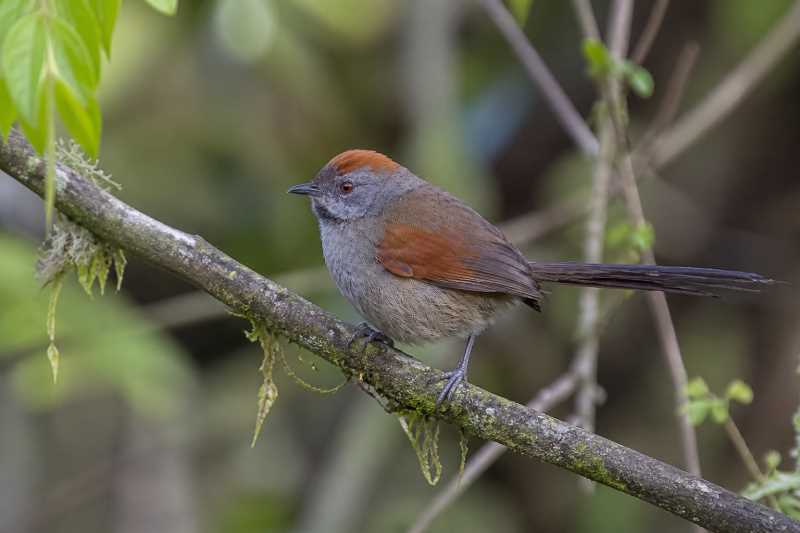
The Silvery-throated Spinetail is a small bird, measuring approximately 15 centimeters in length. Its plumage is predominantly brown, with a distinctive silvery-white throat and chest that give the bird its name. The wings and tail are rufous, providing a striking contrast to its otherwise subdued coloration.
Behaviorally, the Silvery-throated Spinetail is known for its active and restless nature. It is often seen flitting through the undergrowth, searching for insects and other small invertebrates to feed on. Its diet mainly consists of insects, spiders, and occasional seeds, which it skillfully extracts from the dense foliage.
During the breeding season, which typically coincides with the onset of the rainy season, the Silvery-throated Spinetail engages in elaborate courtship displays. These displays involve rapid wing flicks and vocalizations designed to attract a mate. Once paired, the birds construct a nest, usually in a well-concealed location within dense vegetation. The nest is a cup-shaped structure made from twigs, leaves, and plant fibers, providing a secure environment for the eggs and, later, the fledglings.
Conservation Status and Challenges
The Silvery-throated Spinetail is currently classified as Near Threatened by the International Union for Conservation of Nature (IUCN). The primary threat to this species is habitat destruction, driven by agricultural expansion, logging, and human encroachment. The montane forests that the Spinetail depends on are increasingly being cleared for farmland and urban development, leading to significant habitat loss.
Conservation efforts are crucial to ensuring the survival of the Silvery-throated Spinetail. Protecting its habitat through the establishment of reserves and promoting sustainable land-use practices are essential strategies. Additionally, raising awareness about the importance of preserving montane forests and their unique ecosystems can contribute to conservation efforts.
The Importance of Biodiversity in Montane Forests
The Silvery-throated Spinetail is just one of many species that inhabit the montane forests of the Andes. These forests are biodiversity hotspots, hosting a myriad of plant and animal species, many of which are endemic to the region. The interconnectedness of these species creates a delicate ecological balance, where the loss of one species can have cascading effects on the entire ecosystem.
Preserving the biodiversity of montane forests is not only crucial for the survival of species like the Silvery-throated Spinetail but also for maintaining the health of the global environment. These forests play a significant role in carbon sequestration, water regulation, and soil preservation, contributing to climate stability and supporting human livelihoods.
Conclusion: A Call to Action
The Silvery-throated Spinetail is a testament to the incredible diversity and beauty of the Andean montane forests. As we continue to explore and appreciate these natural wonders, it is our responsibility to protect them for future generations. Conservation efforts require collaboration among governments, conservation organizations, and local communities to ensure that these ecosystems remain intact and vibrant.
By preserving the habitat of the Silvery-throated Spinetail and other endemic species, we are not only protecting a unique part of our natural heritage but also upholding the intricate web of life that sustains us all. Let us join hands in safeguarding these treasures of the Andes, ensuring that the Silvery-throated Spinetail continues to enchant us with its presence for years to come.
Related posts