Introduction
Lataste’s Gerbil (Gerbillus latastei) is a small, nocturnal rodent found primarily in the arid regions of North Africa. Known for its adaptability to harsh desert environments, this species belongs to the family Muridae and is a part of the diverse Gerbillus genus. The gerbil is named after Fernand Lataste, a notable French zoologist who made significant contributions to the understanding of North African fauna in the late 19th century. This article delves into the physical characteristics, habitat, behaviors, and conservation status of Lataste’s Gerbil, providing a comprehensive overview for researchers, enthusiasts, and conservationists.
Physical Description
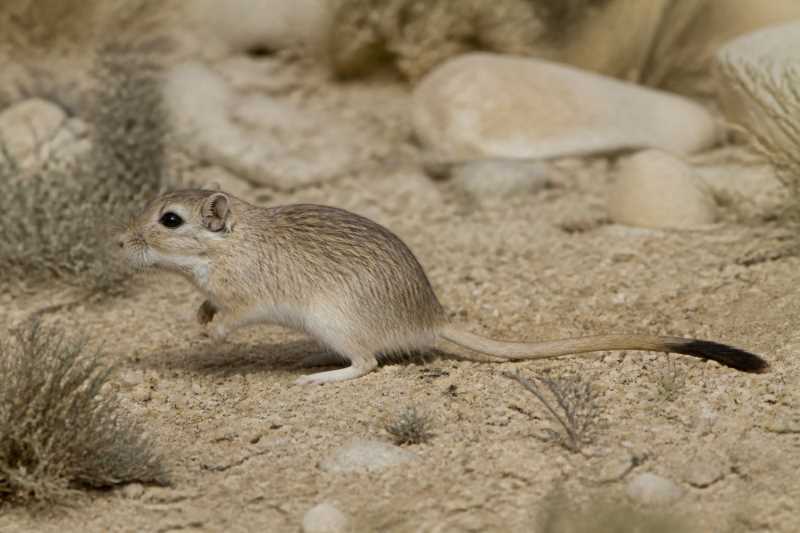
Lataste’s Gerbil is a relatively small rodent, characterized by its agile build and distinctive features. Adults typically measure between 18 to 22 centimeters in total length, including a tail that accounts for more than half of this length. The tail is covered with fine hairs and ends in a small tuft, which is a common trait among gerbils and aids in balance and communication.
The fur of Lataste’s Gerbil is soft and generally sandy or pale brown, providing excellent camouflage against the desert landscape. This coloration is complemented by a lighter, almost white, underside. The gerbil’s large, round eyes are adapted for nocturnal activity, providing enhanced vision in low-light conditions. Its elongated hind legs and feet are adapted for leaping, allowing for quick movement across sandy terrain. The ears are relatively large and oval-shaped, aiding in acute hearing which is crucial for detecting predators.
Range and Habitat
Lataste’s Gerbil is predominantly found in the Saharan regions of Algeria, Libya, and Tunisia. These areas are characterized by arid climates, with extreme temperatures and limited water resources. The species thrives in sandy and rocky deserts, where it can burrow to escape the harsh surface conditions.
The gerbil’s burrowing behavior not only provides shelter from predators and extreme weather but also aids in temperature regulation. These burrows are often intricate, featuring multiple entrances and chambers. The sandy substrate of these regions facilitates easy burrowing and provides a stable environment for the gerbil to forage and reproduce.
Behavior and Diet
Lataste’s Gerbil is primarily nocturnal, emerging from its burrow during the cooler night hours to forage for food. This behavior minimizes water loss and exposure to daytime predators. The gerbil’s diet consists mainly of seeds, grains, and plant material, which are abundant in its desert habitat. It may occasionally consume insects, providing a supplemental source of protein.
Water conservation is critical for survival in arid environments, and Lataste’s Gerbil has developed physiological adaptations to minimize water loss. It obtains most of its hydration from the food it consumes and can produce highly concentrated urine to conserve water.
Socially, Lataste’s Gerbil is relatively solitary, with individuals maintaining separate burrows. However, they may exhibit social behaviors during the breeding season, which typically occurs in the spring and early summer. During this time, males and females come together to mate, after which the female raises the young alone. Gestation lasts about three weeks, and litters usually consist of two to five pups.
Identification Tips (Field Recognition Cues)
Identifying Lataste’s Gerbil in the field requires attention to several key characteristics:
- Size and Shape: Note the small size and elongated hind legs, which are adapted for jumping.
- Coloration: Look for sandy brown fur with a lighter underside, providing camouflage against desert sands.
- Tail: Observe the long, tufted tail, which helps in balance and communication.
- Nocturnal Activity: Watch for activity during nighttime hours, as this is when the gerbil is most active.
- Burrows: Look for burrows in sandy areas, often with multiple entrances.
Conservation Status (with Threats and Protections)
Lataste’s Gerbil is currently listed as Least Concern on the IUCN Red List, indicating that it is not considered to be at immediate risk of extinction. However, localized threats do exist, primarily due to habitat loss and degradation caused by human activities such as agriculture and urban development.
The expansion of agricultural lands can lead to the destruction of natural habitats, and the use of pesticides can reduce the availability of food resources. Climate change also poses a long-term threat by altering the desert ecosystems that these gerbils depend on.
Conservation efforts for Lataste’s Gerbil focus on habitat preservation and monitoring population trends. Protected areas within the species’ range help safeguard critical habitats, and ongoing research aims to better understand the ecological needs of this species.
Frequently Asked Questions
What does Lataste’s Gerbil eat?
Lataste’s Gerbil primarily feeds on seeds, grains, and plant material. It may also consume insects, which provide additional protein. Its diet is adapted to the arid desert environment where it resides.
How does Lataste’s Gerbil adapt to its desert habitat?
Lataste’s Gerbil has several adaptations for desert living, including nocturnal behavior to avoid daytime heat, burrowing to escape predators and extreme temperatures, and physiological adaptations to conserve water.
Where can Lataste’s Gerbil be found?
This species is found in the Saharan regions of North Africa, particularly in Algeria, Libya, and Tunisia. It inhabits sandy and rocky deserts, where it can burrow effectively.
Is Lataste’s Gerbil endangered?
Currently, Lataste’s Gerbil is not considered endangered and is listed as Least Concern on the IUCN Red List. However, habitat loss and climate change pose potential threats to its population stability.
How can you identify Lataste’s Gerbil in the wild?
To identify Lataste’s Gerbil, look for its small size, sandy brown fur, lighter underside, long tufted tail, and nocturnal activity. Observing burrows in sandy areas can also indicate its presence.
Related posts