Introduction
The Philippine Porcupine (Hystrix pumila), also known as the Palawan Porcupine, is a fascinating rodent endemic to the Philippines. As one of the lesser-known species in the diverse Philippine fauna, the Philippine Porcupine plays a vital role in the ecosystems of its native habitat. This species is distinguished by its unique appearance and behavior, making it a subject of interest for wildlife enthusiasts and researchers alike.
The Philippine Porcupine is known for its distinctive spiny exterior, which serves as a defense mechanism against predators. Despite its intimidating appearance, this porcupine is primarily a herbivore and plays a critical role in its ecosystem by aiding in seed dispersion. As with many native species, the Philippine Porcupine faces several conservation challenges, including habitat loss and hunting, making it an essential focus for conservation efforts.
Physical Description
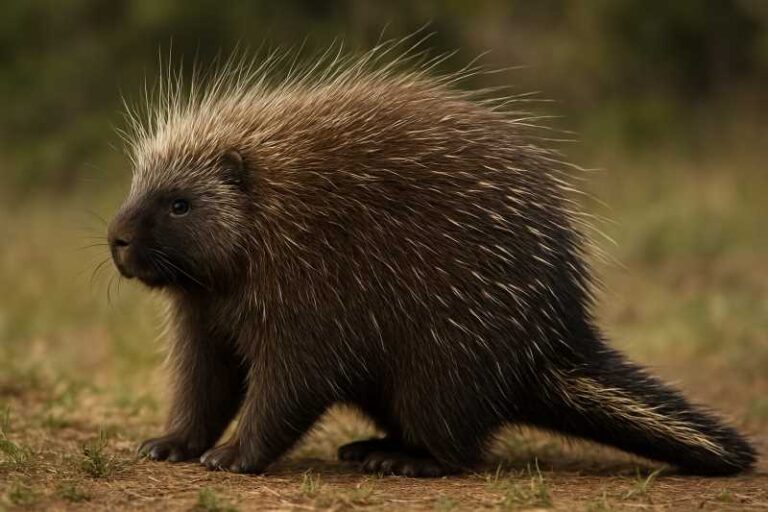
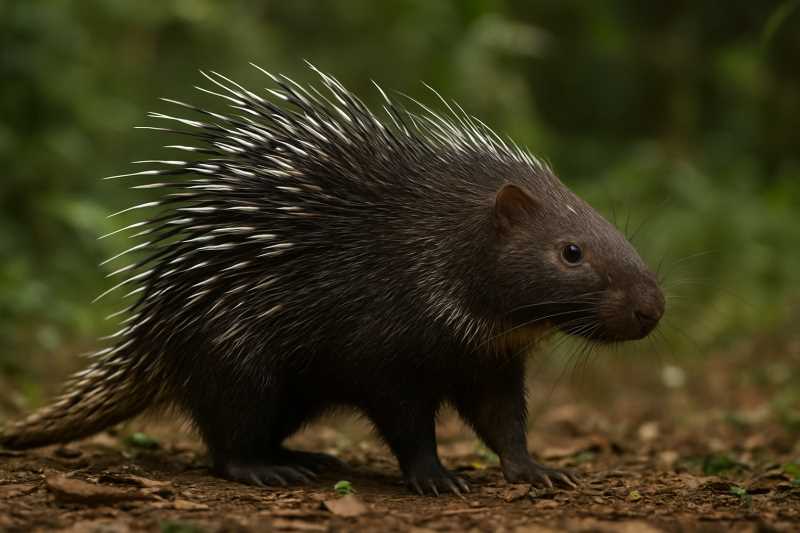
The Philippine Porcupine is a medium-sized rodent notable for its quills, which vary in color from brown to black with white or yellowish tips. These quills can grow up to 20 centimeters in length and are used as a defense mechanism. When threatened, the porcupine can raise and rattle its quills to deter predators. The body length of an adult Philippine Porcupine ranges from 42 to 93 centimeters, with a tail length of 8 to 20 centimeters, and they typically weigh between 3 to 5 kilograms.
Aside from its quills, the porcupine has a stocky body with a small head and short limbs. Its feet are equipped with strong claws, adapted for digging and foraging. The eyes of the Philippine Porcupine are relatively small, and its ears are rounded, contributing to its somewhat understated facial features. Despite its spiky exterior, the porcupine’s underbelly is covered with softer hair.
Range and Habitat
The Philippine Porcupine is primarily found on the island of Palawan and some of its surrounding islands, including Busuanga and Balabac. The species prefers habitats that provide ample cover and food resources, such as tropical forests, grasslands, and shrublands. They are also known to inhabit areas near human settlements, particularly where forest cover is still present.
This porcupine is adaptable to various altitudes, from lowland forests to mountainous regions up to 1,500 meters above sea level. However, its preference for dense forest habitats makes it vulnerable to deforestation and habitat degradation, which are prevalent in many parts of the Philippines.
Behavior and Diet
The Philippine Porcupine is primarily nocturnal, spending its nights foraging for food and its days resting in burrows or dense vegetation. This solitary creature is known for its shy and elusive nature. It communicates through vocalizations, such as grunts and clicks, as well as through its characteristic quill-rattling.
The diet of the Philippine Porcupine consists mainly of plant material, including fruits, leaves, bark, and roots. Its robust teeth are well-suited for gnawing on tough vegetation. The porcupine’s feeding habits aid in the dispersion of seeds, which contributes to forest regeneration and ecosystem health.
Identification Tips (Field Recognition Cues)
Identifying the Philippine Porcupine in the wild requires keen observation skills. Here are some tips to help recognize this species:
- Quills: Look for the distinctive quills that cover the back and sides, which are brown or black with lighter tips.
- Size and Shape: Note the medium size and stocky body, along with the relatively small head and short limbs.
- Behavior: Observe for nocturnal activity and listen for the sound of quills rattling, which is a defensive behavior.
- Habitat: Search in tropical forests or areas with dense vegetation, particularly during the night.
Conservation Status (With Threats and Protections)
The Philippine Porcupine is currently classified as Vulnerable on the IUCN Red List. The primary threats to this species include habitat loss due to deforestation and land conversion for agriculture and human settlement. Hunting for food and the illegal pet trade also pose significant risks to its populations.
Conservation efforts for the Philippine Porcupine include habitat protection through the establishment of protected areas and wildlife sanctuaries in Palawan. Environmental awareness campaigns and legal protections under Philippine wildlife laws aim to mitigate hunting and trade pressures.
Frequently Asked Questions
What is the primary diet of the Philippine Porcupine? The Philippine Porcupine primarily feeds on plant materials such as fruits, leaves, bark, and roots, playing a crucial role in seed dispersal.
Where can the Philippine Porcupine be found? This species is endemic to the Philippines, specifically on the island of Palawan and its surrounding smaller islands like Busuanga and Balabac.
How does the Philippine Porcupine defend itself? The porcupine defends itself by raising and rattling its quills to deter predators and, if necessary, can deliver painful quill strikes.
Are Philippine Porcupines endangered? The species is listed as Vulnerable due to threats such as habitat loss, hunting, and illegal trade, necessitating conservation efforts.
What are the unique features of the Philippine Porcupine? Its unique features include long quills for defense, nocturnal habits, and a diet that aids in forest regeneration through seed dispersion.
Related posts