The Enigmatic Chestnut-headed Nunlet: A Comprehensive Overview
The Chestnut-headed Nunlet (Nonnula amaurocephala) is a fascinating bird species belonging to the family Bucconidae, commonly known as puffbirds. Endemic to a specific region in South America, this avian species holds a unique place in the ecological tapestry of its habitat. Despite its relatively obscure status among birdwatchers and ornithologists, the Chestnut-headed Nunlet exhibits intriguing behaviors and adaptations that merit closer examination.
Taxonomy and Classification
Classified under the genus Nonnula, the Chestnut-headed Nunlet is one of six species within this group. The genus name "Nonnula" is derived from Latin, meaning "little nun," a reference to the bird’s modest and unassuming appearance. The species name "amaurocephala" is derived from Greek, with "amauro" meaning dark and "cephala" meaning head, aptly describing its distinctive chestnut-colored crown.
Physical Description
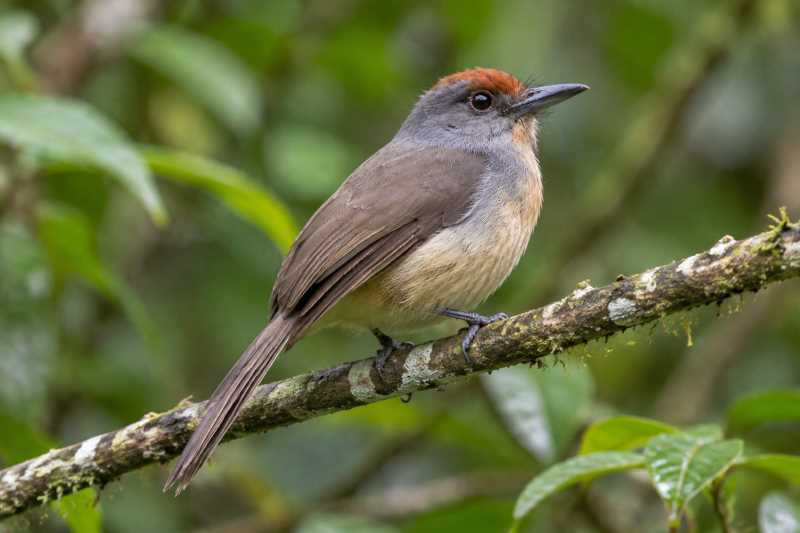
The Chestnut-headed Nunlet is a small bird, measuring approximately 15 cm (6 inches) in length, and weighing between 25 to 30 grams. It is characterized by its chestnut-brown head, which starkly contrasts with its otherwise greyish-brown plumage. The bird’s breast and belly are a lighter shade, often appearing off-white or pale grey. Its beak is short and robust, adapted for its insectivorous diet, and its eyes are a striking dark hue, lending an air of wisdom and curiosity.
Habitat and Distribution
This species is endemic to the Amazon Basin, with its range primarily confined to the humid lowland forests of southeastern Peru and adjacent areas of Brazil. The Chestnut-headed Nunlet favors dense undergrowth and secondary forests, where it finds ample cover and food resources. Its preference for these specific habitats makes it vulnerable to deforestation and habitat fragmentation, which are significant threats to its survival.
Behavior and Ecology
The Chestnut-headed Nunlet is a diurnal bird, most active during the early morning and late afternoon. It is a solitary creature, often seen alone or in pairs, engaging in quiet foraging activities. Its diet consists mainly of insects and small arthropods, which it catches by sallying from a perch to snatch prey mid-air or foraging among leaf litter.
One of the most fascinating aspects of the Chestnut-headed Nunlet’s behavior is its vocalization. It emits a series of soft whistles and trills, which serve as communication signals between mates or territorial calls to deter intruders. These vocalizations, although subtle, are crucial for maintaining social bonds and establishing breeding territories.
Reproduction and Lifespan
Information about the breeding habits of the Chestnut-headed Nunlet is limited, but like many puffbirds, it is presumed to nest in cavities, either in tree holes or burrows in earthen banks. The clutch size generally consists of two to three eggs, with both parents sharing incubation duties and feeding responsibilities once the chicks hatch.
The lifespan of the Chestnut-headed Nunlet is not well-documented, but it is believed to be similar to other small passerines, ranging from 5 to 10 years in the wild. Factors influencing their longevity include predation, food availability, and habitat stability.
Conservation Status
Currently, the Chestnut-headed Nunlet is classified as Least Concern by the International Union for Conservation of Nature (IUCN). However, this status does not imply immunity from threats. The primary concern for this species is habitat destruction due to logging, agriculture, and infrastructure development. Conservation efforts are essential to preserve the delicate ecosystems these birds inhabit and ensure their continued survival.
Importance in the Ecosystem
As insectivores, Chestnut-headed Nunlets play a vital role in controlling insect populations, thus contributing to the ecological balance within their habitat. By preying on various insects, they help maintain plant health and reduce the spread of insect-borne diseases. Moreover, their presence indicates a healthy, biodiverse environment, underscoring the importance of their conservation.
Conclusion
The Chestnut-headed Nunlet is an emblematic species of the Amazon Basin, embodying the complexity and beauty of tropical ecosystems. While it may not headline conservation efforts like larger, more charismatic fauna, its ecological significance is undeniable. Protecting this species, along with its habitat, is crucial for preserving the biodiversity of one of the planet’s most vital natural resources.
In summary, the Chestnut-headed Nunlet is more than just a bird with a charming appearance; it is a key player in its ecosystem and a testament to the intricate web of life that thrives in the Amazon. Efforts to understand and protect such species are fundamental to maintaining the biodiversity that supports all life on Earth.
Related posts