The Elusive Beauty of the Yellow-browed Toucanet: A Jewel of the Peruvian Andes
The Yellow-browed Toucanet (Aulacorhynchus huallagae) is a striking bird species native to the lush cloud forests of the Peruvian Andes. Known for its distinctive yellow eyebrow markings and vibrant plumage, this toucanet has captured the fascination of ornithologists and bird enthusiasts worldwide. Despite its captivating appearance, the Yellow-browed Toucanet is relatively elusive, inhabiting remote regions that are difficult for researchers to access. This article delves into the remarkable characteristics, habitat, behavior, and conservation status of this extraordinary bird.
A Closer Look at the Yellow-browed Toucanet
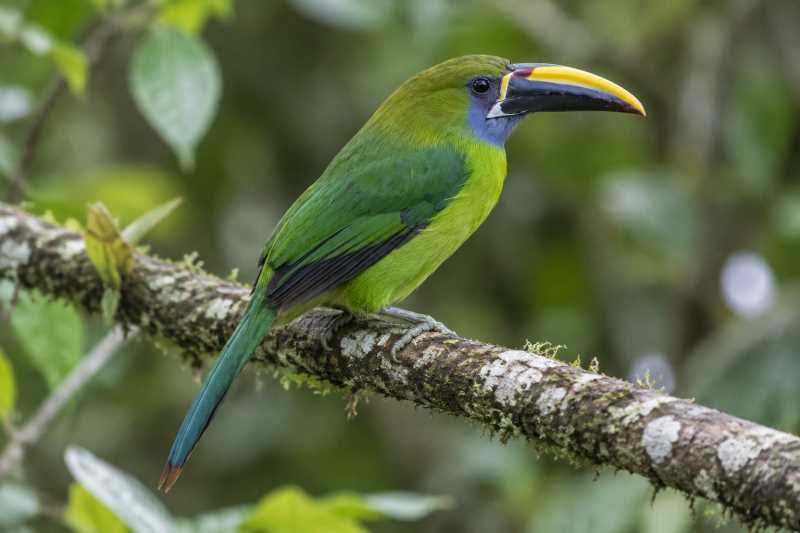
The Yellow-browed Toucanet is a small to medium-sized bird, measuring approximately 30 to 35 centimeters in length and weighing around 150 to 200 grams. Its plumage is predominantly green, with a blue throat and a distinctive yellow line above its eyes, resembling eyebrows, which gives the bird its common name. The toucanet’s beak is primarily black with a hint of blue at the base and a yellow tip, complementing its vivid coloration.
This species is part of the Ramphastidae family, which includes other toucans and toucanets known for their large, colorful bills and striking appearances. The Yellow-browed Toucanet, like its relatives, uses its beak to forage for food, primarily consisting of fruits, insects, and small vertebrates. Its diet plays a crucial role in seed dispersal, contributing to the health and regeneration of its forest habitat.
Habitat and Distribution
The Yellow-browed Toucanet is endemic to Peru, predominantly found in the montane forests on the eastern slopes of the Andes. It inhabits altitudes ranging from 1,200 to 2,500 meters above sea level, preferring the humid, dense cloud forests that offer abundant food resources and nesting sites. These forests are characterized by high rainfall, mist, and a rich diversity of flora and fauna, creating a unique ecosystem.
Despite their importance, these habitats are increasingly threatened by human activities such as deforestation, agriculture, and mining, which lead to habitat fragmentation and loss. This poses a significant challenge to the survival of the Yellow-browed Toucanet, as well as many other species that rely on these ecosystems.
Behavior and Social Structure
Yellow-browed Toucanets are typically observed in pairs or small family groups, exhibiting a social structure that aids in foraging and predator avoidance. They are known for their vocalizations, which include a series of high-pitched notes and trills that serve as communication between individuals and as territorial calls.
Breeding usually occurs during the wet season when food is abundant. The toucanets nest in tree cavities, often using abandoned woodpecker holes or natural crevices. Both parents are involved in raising the young, sharing responsibilities such as incubating eggs and feeding the chicks.
Conservation Status and Efforts
The International Union for Conservation of Nature (IUCN) lists the Yellow-browed Toucanet as "Vulnerable," primarily due to habitat destruction and degradation. The species’ restricted range and specialized habitat requirements make it particularly susceptible to environmental changes.
Conservation efforts are underway to protect the remaining cloud forests of the Andes and the diverse species that inhabit them. Initiatives include the establishment of protected areas, reforestation projects, and community-based conservation programs that engage local populations in sustainable land-use practices.
Research is also a critical component of conservation strategies. Understanding the ecology and behavior of the Yellow-browed Toucanet can inform management plans and policy decisions. Collaboration between governmental agencies, non-governmental organizations, and local communities is essential in ensuring the long-term survival of this charismatic bird.
The Role of Ecotourism
Ecotourism presents a promising opportunity for the conservation of the Yellow-browed Toucanet and its habitat. Birdwatching tours in the Peruvian Andes attract nature enthusiasts from around the world, generating revenue that can be reinvested in conservation efforts. By promoting sustainable tourism practices, local communities benefit economically while preserving their natural heritage.
Tourism also raises awareness about the importance of biodiversity and the threats facing endemic species like the Yellow-browed Toucanet. Educating visitors about the ecological significance of these birds and the challenges they face can foster a deeper appreciation and commitment to conservation.
Conclusion
The Yellow-browed Toucanet is a remarkable species that exemplifies the rich biodiversity of the Peruvian Andes. Its vibrant appearance and ecological role underscore the importance of conserving its habitat. While the challenges are significant, coordinated efforts between conservationists, researchers, and local communities offer hope for the future of this enchanting bird.
As we continue to explore and understand the unique ecosystems of the Andes, the Yellow-browed Toucanet serves as a symbol of the beauty and complexity of our natural world, reminding us of our responsibility to protect it for generations to come.
Related posts