Introduction
The Fat-tailed Jird, scientifically known as Pachyuromys duprasi, is a fascinating small rodent belonging to the family Muridae. This intriguing species, also commonly referred to as the "duprasi gerbil," is characterized by its distinctive appearance and unique adaptations to its harsh desert environment. The Fat-tailed Jird is a captivating subject for researchers and animal enthusiasts alike, providing insights into the biology and ecology of small desert mammals. This article delves into the various aspects of the Fat-tailed Jird, including its physical description, habitat, behavior, diet, and conservation status.
Physical Description
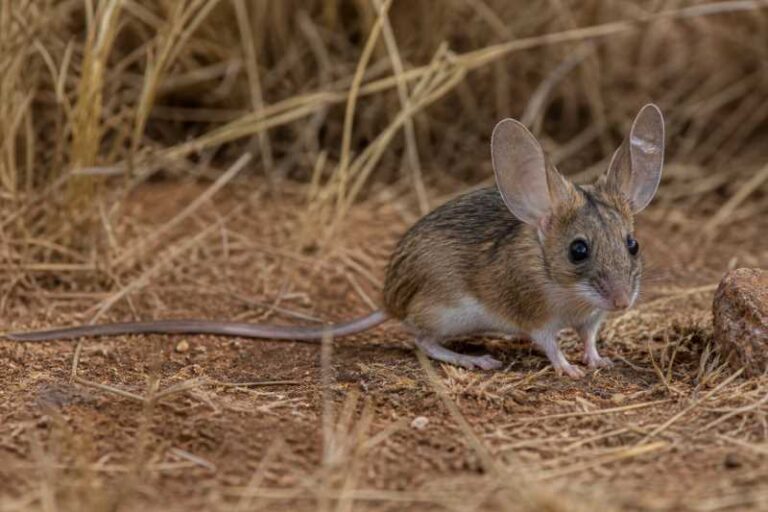
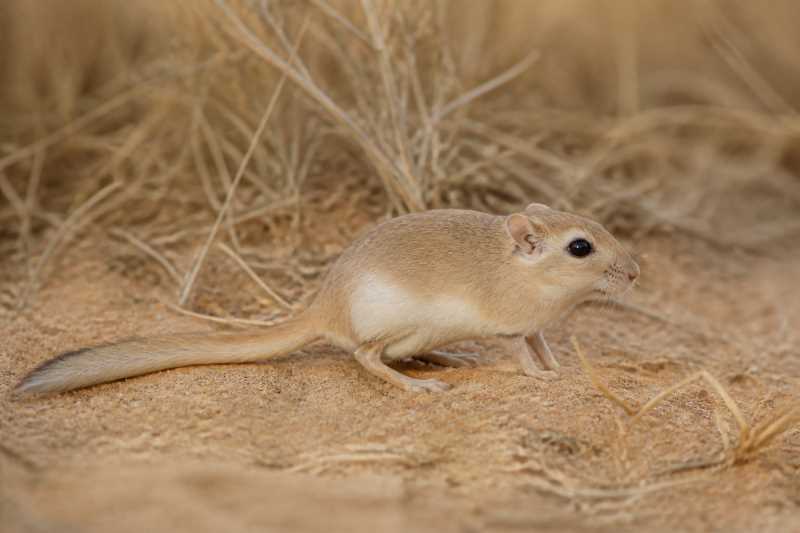
The Fat-tailed Jird is easily identifiable by its stout body and, as its name suggests, its thick, fat-storing tail. The tail, which can measure up to 4 inches in length, acts as a reservoir for fat storage, allowing the animal to survive periods of food scarcity, a common occurrence in its arid habitat. This tail is not only practical but also serves as a distinguishing feature among jirds.
The body length of an adult Fat-tailed Jird ranges from 2.5 to 4 inches, and they typically weigh between 1.5 to 2.5 ounces. Their fur is soft and dense, providing insulation against the extremes of desert temperatures. The coloration of the fur is generally sandy or light brown with a white underside, mimicking the desert environment and offering camouflage from predators. Their small, rounded ears and large, dark eyes are adapted for nocturnal activity, helping them detect predators and navigate their environment at night.
Range and Habitat
The Fat-tailed Jird is native to the deserts of North Africa, with its range extending across countries such as Egypt, Libya, Algeria, and Tunisia. These rodents thrive in arid and semi-arid regions, preferring sandy or rocky terrains where they can easily burrow. The jirds construct intricate burrow systems that provide refuge from the extreme temperatures of the desert, both scorching daytime heat and cold nights. These burrows also offer protection from predators and a secure place to rear their young.
The species’ preference for sparsely vegetated areas allows them to exploit the sparse resources available in these habitats. Their ability to thrive in such challenging environments speaks to their remarkable adaptability and resilience.
Behavior and Diet
Fat-tailed Jirds are primarily nocturnal, meaning they are most active during the night. This nocturnal behavior helps them avoid the intense heat of the day. Their activity patterns are closely linked to the availability of food and environmental conditions.
These rodents are omnivorous, with a diet that includes a variety of seeds, grasses, insects, and small invertebrates. The ability to store fat in their tails is an adaptation that allows them to survive when food is scarce. During times of abundance, they will consume more food to build up these fat reserves.
Socially, Fat-tailed Jirds are solitary creatures, coming together only during the breeding season. Males and females will temporarily share a burrow for mating purposes, but otherwise, these animals prefer to live alone. Their solitary lifestyle reduces competition for limited resources, making it easier to survive in a challenging environment.
Identification Tips (Field Recognition Cues)
Identifying a Fat-tailed Jird in the wild can be straightforward if you know the key features to look for:
- Tail: Look for the characteristic fat-storing tail, which is thick at the base and tapers towards the end.
- Size and Shape: Note the compact body, with a length of 2.5 to 4 inches, and their relatively small stature.
- Coloration: Observe the sandy or light brown fur with a white underside, offering camouflage in their desert surroundings.
- Ears and Eyes: Pay attention to their small, rounded ears and large, dark eyes, which are adaptations for nocturnal life.
- Behavior: Watch for nocturnal activity, as these rodents are most active during night hours.
Conservation Status (with Threats and Protections)
Currently, the Fat-tailed Jird is classified as a species of Least Concern by the International Union for Conservation of Nature (IUCN). This status indicates that the species is not currently facing significant threats that could lead to its extinction in the near future. However, like many other desert-dwelling species, the Fat-tailed Jird faces challenges from habitat degradation and climate change.
The primary threats to their habitat include agricultural expansion, urban development, and the extraction of natural resources, which can lead to habitat fragmentation and loss. Climate change also poses a long-term threat, potentially altering the delicate balance of desert ecosystems and affecting the availability of food and water.
Conservation efforts for the Fat-tailed Jird are currently minimal, given its Least Concern status. However, maintaining healthy populations requires monitoring habitat changes and ensuring that conservation measures are implemented to protect their natural environments.
Frequently Asked Questions
What does a Fat-tailed Jird eat in the wild?
In the wild, Fat-tailed Jirds have an omnivorous diet consisting of seeds, grasses, insects, and small invertebrates. Their ability to store fat in their tails allows them to endure periods when food is scarce, making them well-suited to their arid habitats.
How does the Fat-tailed Jird use its tail?
The Fat-tailed Jird’s tail serves as a fat reservoir, storing excess energy that can be used during times of food scarcity. This adaptation is crucial for survival in the desert, where food availability can be unpredictable.
Where can you find Fat-tailed Jirds in the wild?
Fat-tailed Jirds are native to the deserts of North Africa, including Egypt, Libya, Algeria, and Tunisia. They inhabit arid and semi-arid regions, where they construct burrows in sandy or rocky terrains.
Are Fat-tailed Jirds social animals?
Fat-tailed Jirds are generally solitary animals, coming together only during the breeding season. This solitary behavior reduces competition for limited resources, which is beneficial in their harsh desert environment.
What are the main threats to Fat-tailed Jirds?
The main threats to Fat-tailed Jirds include habitat degradation due to agricultural expansion, urban development, and natural resource extraction. Climate change also poses a long-term threat by potentially altering their desert habitat.
Related posts