The Enigmatic Zapata Rail: A Glimpse into Cuba’s Rare Avian Jewel
In the heart of Cuba’s Zapata Swamp, a vibrant ecosystem that’s as mysterious as it is beautiful, resides one of the world’s most elusive bird species: the Zapata Rail (Mustelirallus cerverai). This rare bird, endemic to Cuba, remains shrouded in mystery, its presence a testament to the rich biodiversity of the island. Despite its elusive nature, the Zapata Rail is a subject of keen interest among ornithologists and conservationists alike, who are striving to understand and preserve this enigmatic bird.
A Brief Introduction
The Zapata Rail was first described in the early 20th century by Spanish ornithologist Fermín Zanón Cervera. Notably, it was named in his honor, cementing its place in ornithological history. This bird is a member of the Rallidae family, which includes coots, crakes, and other rails, known for their secretive and elusive behavior.
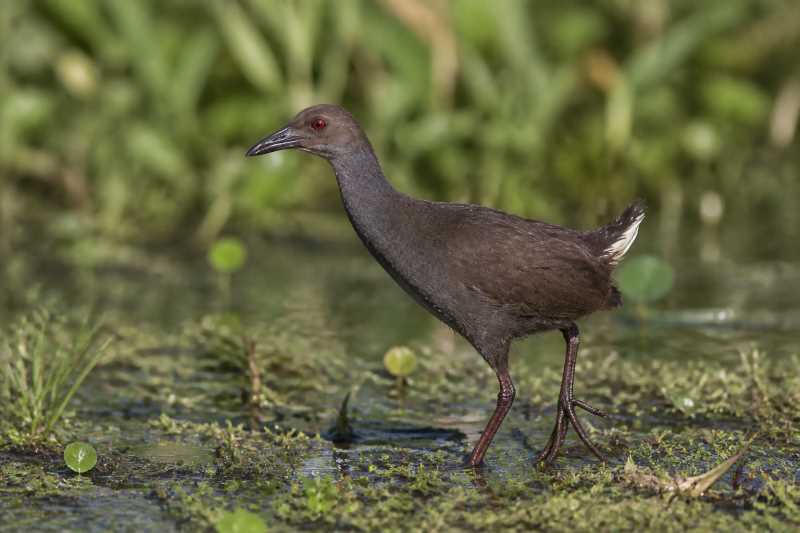
The Zapata Rail is distinguished by its olive-brown plumage and distinctive white throat. Its slender build and long legs are perfectly adapted to its marshy habitat, allowing it to navigate the dense vegetation with surprising agility. Despite its vibrant appearance, the Zapata Rail is infamously difficult to observe in the wild, contributing to its mysterious reputation.
Habitat and Distribution
The Zapata Rail’s habitat is confined to the Zapata Swamp, a UNESCO Biosphere Reserve located in the Matanzas Province of Cuba. This vast wetland, covering over 4,500 square kilometers, is a sanctuary for numerous endemic species. The swamp’s brackish marshes and mangroves provide the perfect refuge for the Zapata Rail, which thrives in the dense, waterlogged environment.
However, the limited range of the Zapata Rail makes it particularly vulnerable to environmental changes. Habitat destruction due to agriculture, drainage, and pollution poses significant threats to its survival. The swamp’s delicate ecosystem is under constant pressure, highlighting the urgent need for sustainable conservation efforts.
Behavior and Ecology
The Zapata Rail is a ground-dwelling bird, rarely taking to the air. It forages through the dense undergrowth, feeding on a diet composed mainly of insects, small crustaceans, and plant matter. Its elusive nature and preference for dense vegetation make it an expert at evading predators and human observers alike.
Breeding behaviors of the Zapata Rail remain largely undocumented due to the bird’s secretive lifestyle. It is believed that like many rail species, they construct their nests in dense vegetation close to water sources. Observations suggest a monogamous breeding system, although detailed studies are sparse.
Conservation Status
The Zapata Rail is classified as Critically Endangered by the International Union for Conservation of Nature (IUCN). This status underscores the precarious nature of its existence, with estimates suggesting fewer than 250 mature individuals remaining in the wild.
Conservation efforts are critical to ensuring the survival of the Zapata Rail. Initiatives are underway to preserve its habitat and mitigate human impact on the Zapata Swamp. The Cuban government, along with international conservation organizations, is working to implement strategies that include habitat restoration, pollution control, and raising awareness about the importance of this unique ecosystem.
Challenges and Opportunities
One of the primary challenges in conserving the Zapata Rail is the lack of comprehensive data on its population size, distribution, and ecology. Limited sightings and the bird’s secretive nature make field studies difficult. Consequently, there is a pressing need for research initiatives focused on gathering vital information about the species.
On the positive side, the Zapata Swamp’s status as a protected area offers a degree of security for the Zapata Rail. Continued efforts to strengthen conservation policies and engage local communities in sustainable practices are crucial. Education and awareness campaigns can help foster a sense of stewardship among the local population, encouraging protective measures for the swamp and its inhabitants.
Conclusion
The Zapata Rail stands as a symbol of Cuba’s unique biodiversity and the challenges faced in preserving it. As one of the world’s most endangered birds, it highlights the fragility of our natural world and the urgent need for conservation efforts. Protecting the Zapata Rail is not just about saving a species; it is about preserving an entire ecosystem that supports a myriad of life forms.
In a world where environmental degradation is a growing concern, the story of the Zapata Rail serves as a reminder of the beauty and complexity of nature. By dedicating resources to its conservation, we not only safeguard a rare species but also contribute to the broader goal of ecological preservation.
The enigmatic Zapata Rail, with its subtle beauty and elusive nature, continues to captivate those who seek it out. Ensuring its survival is a testament to our commitment to biodiversity and the natural heritage of future generations.
Related posts