Introduction
Dubost’s Bristly Mouse, scientifically known as Neacomys dubosti, is a small rodent species that forms part of the diverse and intricate ecological tapestry of South America. This elusive mammal belongs to the family Cricetidae and is largely recognized for its distinctive bristly fur and adaptive traits that allow it to thrive in its natural habitat. Named in honor of the French mammalogist Gérard Dubost, this species offers invaluable insights into the biodiversity and ecological dynamics of rainforest ecosystems.
As an integral component of its ecosystem, Dubost’s Bristly Mouse plays a crucial role in seed dispersal and serves as prey for a variety of predatory species. Despite its ecological importance, Neacomys dubosti is not as widely studied as other rodent species, largely due to its reclusive nature and the challenging environments it inhabits. This article seeks to shed light on the physical characteristics, habitat, behavior, and conservation status of this remarkable species.
Physical Description
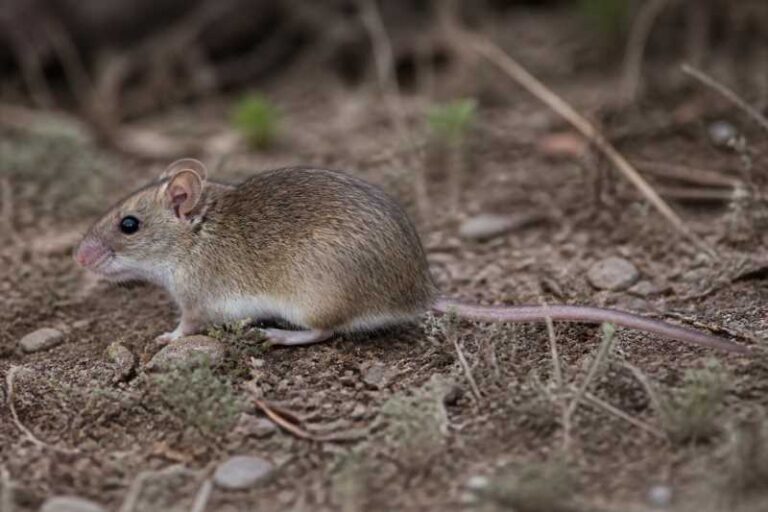
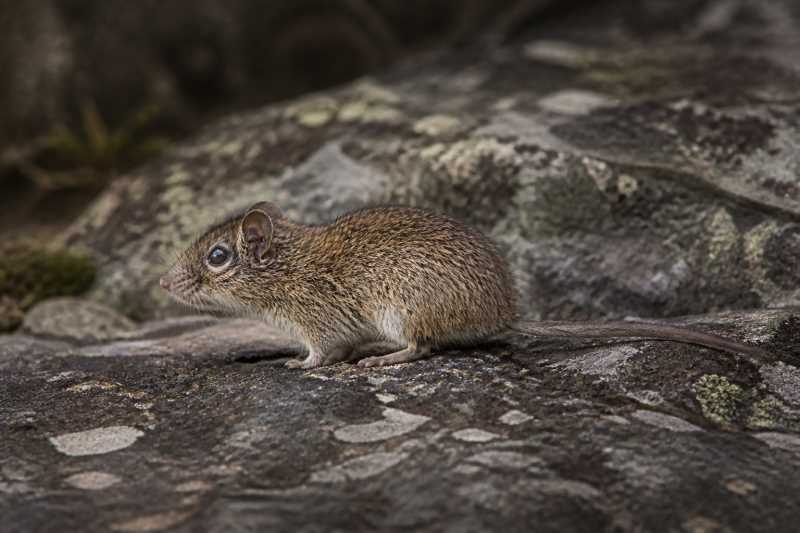
Dubost’s Bristly Mouse is characterized by its small size and distinctive fur, which sets it apart from other rodents within the same family. The most notable feature of this species is its bristly coat, which is not only a defensive adaptation but also serves as a key identification marker. The fur is typically a mix of brownish and gray hues, providing effective camouflage against the forest floor.
Adults of this species typically weigh between 20 to 30 grams and measure approximately 8 to 12 centimeters in body length, with an additional 9 to 12 centimeters of tail length. The tail is sparsely furred and often matches the body in coloration, aiding in balance and agility as the mouse navigates the dense underbrush of its habitat. The ears are relatively large, enhancing their auditory capabilities, which are crucial for detecting predators and communicating with conspecifics.
The limbs are slender yet strong, with sharp claws that assist in climbing and foraging. The eyes are adapted for low-light conditions, a necessary trait for a nocturnal lifestyle. Overall, the physical attributes of Dubost’s Bristly Mouse are a testament to its adaptation to the complexities of its environmental niche.
Range and Habitat
Dubost’s Bristly Mouse is primarily found in the tropical rainforests of South America, with a range that extends across several countries, including Brazil, Peru, and Ecuador. These ecosystems provide the dense foliage and abundant resources necessary for the survival of this species.
The preferred habitat of Neacomys dubosti includes lowland forests and areas with thick undergrowth. These environments offer ample cover from predators and a rich supply of food sources. The species is also known to inhabit secondary forests and disturbed areas, demonstrating a degree of adaptability to human-altered landscapes. However, their presence is less frequent in open grasslands and regions with sparse vegetation.
The distribution of Dubost’s Bristly Mouse is largely influenced by the availability of shelter and food, as well as the presence of potential predators. This species tends to avoid areas with high human activity, preferring the seclusion and safety of untouched forested regions.
Behavior and Diet
Dubost’s Bristly Mouse exhibits nocturnal behavior, primarily active during the night when it forages for food. This adaptation minimizes interactions with diurnal predators and reduces competition with other rodent species. The mouse is solitary in nature, although it may occasionally be observed in pairs during the breeding season.
The diet of Neacomys dubosti is omnivorous, consisting of seeds, fruits, insects, and small invertebrates. This diverse diet not only sustains their nutritional requirements but also contributes to seed dispersal within their habitat, facilitating forest regeneration. Their foraging habits are characterized by meticulous searching and the ability to feed on a wide array of food items, allowing them to thrive in varying environmental conditions.
Social interactions among Dubost’s Bristly Mouse are limited, with territoriality playing a significant role in their behavior. Communication is primarily through vocalizations and scent markings, which help maintain territory boundaries and convey reproductive status.
Identification Tips (Field Recognition Cues)
Identifying Dubost’s Bristly Mouse in the field requires attention to several distinguishing features:
- Fur Texture and Color: Look for the characteristic bristly fur with brownish-gray coloration, which provides effective camouflage.
- Tail: Note the length and coloration of the tail, which matches the body and aids in balance.
- Size: Consider the small size, with adults measuring about 8 to 12 centimeters in body length.
- Ears and Eyes: Observe the relatively large ears and eyes, adaptations for nocturnal activity.
- Behavior: Recognize nocturnal activity patterns and solitary behavior, which are typical of this species.
By focusing on these specific traits, researchers and enthusiasts can accurately identify Dubost’s Bristly Mouse in its natural habitat.
Conservation Status (With Threats and Protections)
The conservation status of Dubost’s Bristly Mouse is currently classified as "Least Concern" by the International Union for Conservation of Nature (IUCN). This classification indicates that the species is not imminently threatened with extinction. However, it is important to remain vigilant about the factors that could potentially impact its population in the future.
Threats
- Habitat Destruction: Deforestation for agriculture and urbanization poses a significant threat, leading to habitat fragmentation and loss.
- Climate Change: Alterations in climate patterns can affect the availability of food and suitable habitats.
- Predation: Natural predators, including birds of prey and snakes, pose a constant threat, although this is a natural aspect of the ecosystem dynamics.
Protections
- Protected Areas: Many of the habitats occupied by Neacomys dubosti fall within national parks and reserves, offering a degree of protection from human encroachment.
- Research and Monitoring: Ongoing research and population monitoring help in understanding the species’ ecology and formulating conservation strategies.
Efforts must continue to ensure that Dubost’s Bristly Mouse remains a thriving component of its ecosystem, with a focus on habitat preservation and addressing the broader challenges posed by climate change.
Frequently Asked Questions
Why is this species unique?
Dubost’s Bristly Mouse is unique due to its distinctive bristly fur, which serves as both a defensive mechanism and a key identification feature. Its adaptability to various forest habitats and its role in seed dispersal also contribute to its uniqueness within the rodent community.
What is the primary diet of Dubost’s Bristly Mouse?
The primary diet of Dubost’s Bristly Mouse includes seeds, fruits, insects, and small invertebrates. This omnivorous diet allows them to thrive in diverse environmental conditions and contributes to their role in the ecosystem as seed dispersers.
How does climate change affect Dubost’s Bristly Mouse?
Climate change can impact Dubost’s Bristly Mouse by altering the availability of food resources and suitable habitats. Changes in weather patterns may also affect the reproductive cycles and distribution of this species, potentially influencing population dynamics over time.
Are there any conservation efforts in place for this species?
Yes, conservation efforts for Dubost’s Bristly Mouse include the establishment of protected areas, ongoing research, and population monitoring. These efforts aim to preserve their habitats and ensure the species continues to thrive in its natural environment.
What are the main threats to Dubost’s Bristly Mouse?
The main threats to Dubost’s Bristly Mouse include habitat destruction due to deforestation, climate change, and predation by natural predators. Conservation strategies focus on mitigating these threats through habitat protection and research initiatives.
Related posts