Introduction
The Golden-bellied Bristly Mouse (Neacomys auriventer) is a fascinating rodent species belonging to the family Cricetidae. Known for its distinctive golden belly and bristly fur, this small mammal is a subject of interest among researchers and wildlife enthusiasts alike. Predominantly found in South America, the Golden-bellied Bristly Mouse plays a significant role in its ecosystem. This article delves into the physical attributes, natural habitat, behaviors, and conservation efforts surrounding this intriguing species.
Physical Description
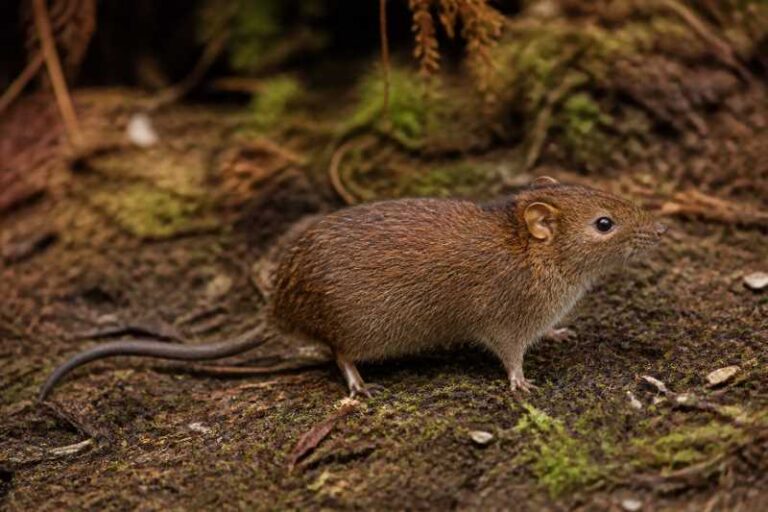
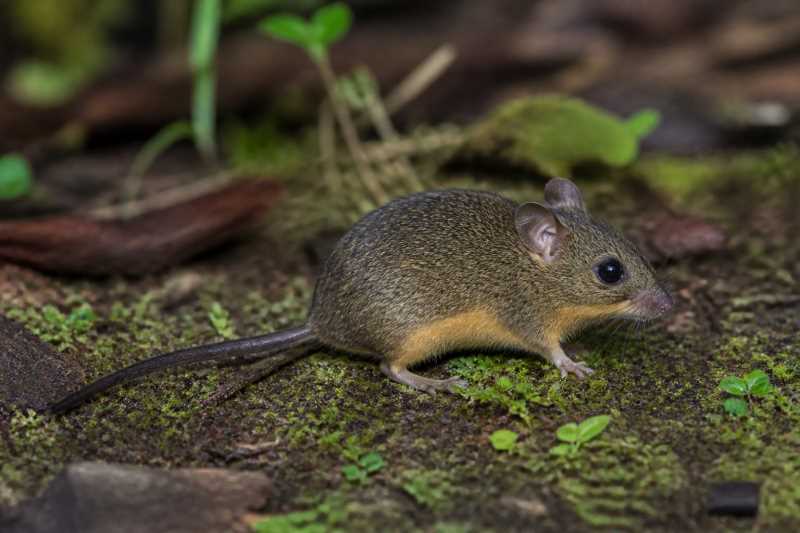
The Golden-bellied Bristly Mouse is characterized by its small size and distinctive fur. Adults typically weigh between 15 to 25 grams and measure approximately 7 to 10 centimeters in body length, with a tail that can be slightly longer than its body. The mouse is named for its golden-yellow ventral fur, contrasting with the darker, often brown or grey, dorsal fur. Its bristly fur is not just a visual trait but also provides a layer of protection and aids in camouflage. The mouse has large eyes and ears, adapted for its nocturnal lifestyle, and sharp claws that assist in climbing and foraging.
Range and Habitat
Neacomys auriventer is native to the tropical and subtropical regions of South America, with a range that includes parts of the Amazon Basin. This species thrives in dense, humid forests where it can take advantage of the abundant vegetation. It is often found in primary and secondary forests, as well as in areas with thick underbrush. The Golden-bellied Bristly Mouse is highly adaptable, capable of living in various forest types, but it prefers environments that offer ample cover and food sources.
Behavior and Diet
The Golden-bellied Bristly Mouse is primarily nocturnal, spending the daytime hidden among the forest litter or in burrows. It is an omnivorous species, feeding on a wide range of foods. Its diet primarily includes seeds, fruits, small insects, and occasionally fungi. The mouse plays a crucial role in seed dispersal within its ecosystem, contributing to forest regeneration. Socially, Neacomys auriventer tends to be solitary, except during the breeding season when males and females come together to mate. Communication is primarily through vocalizations and scent markings, which help in establishing territory and identifying potential mates.
Identification Tips
Identifying the Golden-bellied Bristly Mouse in the field requires careful observation of several key features. Look for the distinctive golden-yellow fur on the belly, which stands out against its darker back. Its bristly fur texture is another identifying feature. The mouse’s large eyes and ears are adaptations for its nocturnal lifestyle, and these features can be used to distinguish it from other similar rodents. Observers should also note the mouse’s behavior, such as its foraging patterns and habitat preferences, which can provide additional clues to its identification.
Conservation Status
The conservation status of the Golden-bellied Bristly Mouse is currently not well-documented, primarily due to its elusive nature and the vastness of its habitat. However, like many species residing in the Amazon, it faces threats from deforestation, habitat fragmentation, and environmental changes. Efforts to protect its habitat are crucial for its continued survival. Conservationists emphasize the importance of preserving primary forests and implementing sustainable land-use practices. By protecting the ecosystems where Neacomys auriventer thrives, conservationists aim to safeguard not only this species but also the broader biodiversity of the region.
Frequently Asked Questions
What does the Golden-bellied Bristly Mouse eat?
The Golden-bellied Bristly Mouse has an omnivorous diet that includes seeds, fruits, small insects, and fungi. Its dietary habits play a vital role in seed dispersal within its habitat.
Where can I find the Golden-bellied Bristly Mouse?
This species is found in the tropical and subtropical forests of South America, particularly within the Amazon Basin. It prefers dense, humid forest environments.
How does the Golden-bellied Bristly Mouse communicate?
Communication in Neacomys auriventer is primarily through vocalizations and scent markings, which are used for establishing territory and finding mates.
Is the Golden-bellied Bristly Mouse endangered?
The current conservation status is not well-documented, but it is potentially threatened by habitat loss due to deforestation and other environmental pressures.
What are the main threats to the Golden-bellied Bristly Mouse?
The primary threats include deforestation, habitat fragmentation, and climate change, all of which impact the forest ecosystems where this species resides.
Related posts