Upper Juruá Bristly Mouse (Neacomys aletheia): A Comprehensive Guide
Introduction
The Upper Juruá Bristly Mouse, scientifically known as Neacomys aletheia, is a fascinating rodent species belonging to the family Cricetidae. This small mammal is native to the Amazon rainforest, specifically in the Upper Juruá region. Despite its diminutive size, the Upper Juruá Bristly Mouse plays a significant role in the ecosystem, contributing to seed dispersal and serving as prey for various predators. This article delves into the intricate details of this species, from its physical characteristics to its behavior, habitat, and conservation status.
Physical Description
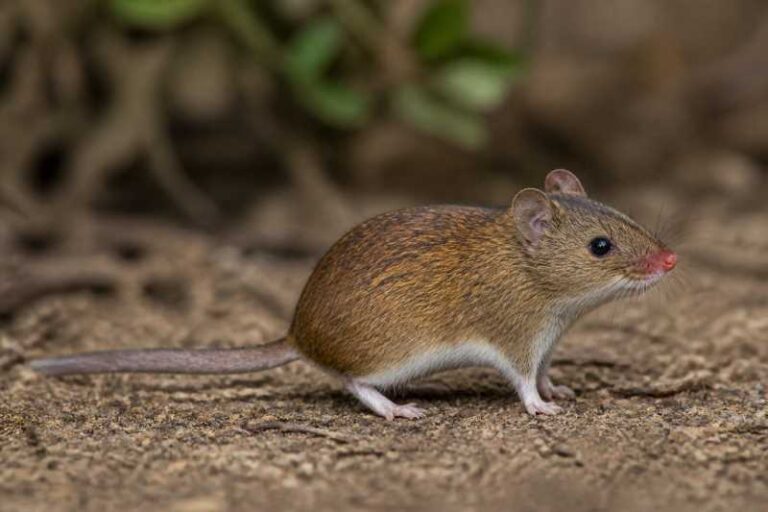
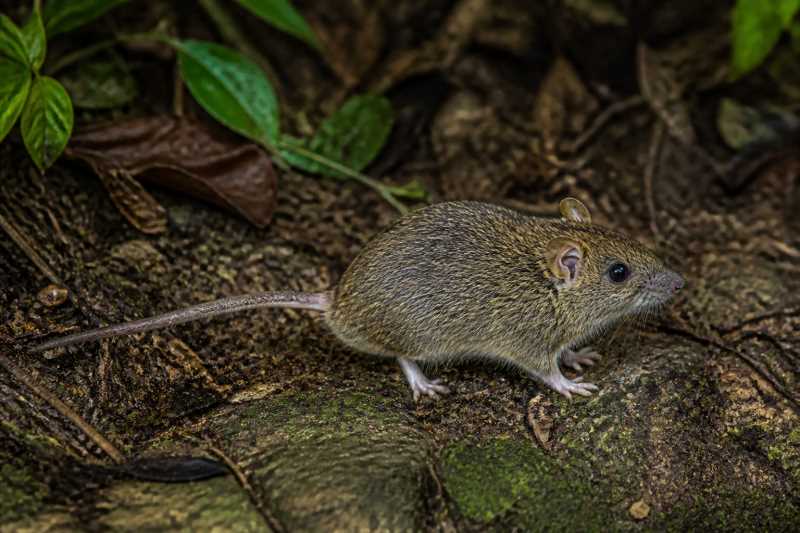
Neacomys aletheia is a small rodent characterized by its distinctive bristly fur, which serves as its primary identifying feature. The fur is typically a blend of brown and gray hues, providing excellent camouflage within its forested environment. The mouse has a slender body, with an average length ranging from 6 to 8 centimeters, and a tail that is usually equal to or slightly longer than its body.
The Upper Juruá Bristly Mouse has sharp claws and elongated hind legs, adaptations that enhance its climbing abilities. Its ears are relatively large, aiding in acute hearing, essential for detecting predators. The eyes are prominent, reflecting its nocturnal habits. Its whiskers are long and sensitive, playing a crucial role in navigation through dense underbrush.
Range and Habitat
The Upper Juruá Bristly Mouse is endemic to the Upper Juruá region, located in the western part of the Amazon Basin, within Brazil. This area is characterized by dense tropical rainforests, which provide an ideal habitat for the species. The mouse thrives in primary and secondary forests, often found in areas with thick undergrowth that offers ample cover and food resources.
The region’s high humidity and consistent rainfall create a lush environment, supporting a diverse range of flora and fauna. Neacomys aletheia plays a significant role in this ecosystem, particularly in seed dispersal, which aids in the regeneration and maintenance of forest biodiversity.
Behavior and Diet
The Upper Juruá Bristly Mouse is primarily nocturnal, with most of its activities occurring at night. This behavior helps it avoid many diurnal predators. During the day, it shelters in burrows or dense vegetation to rest.
The mouse’s diet is omnivorous, consisting of fruits, seeds, small insects, and other invertebrates. Its role as a seed disperser is particularly crucial, as it aids in the propagation of various plant species within its habitat. The foraging behavior of Neacomys aletheia is typically solitary, although it may occasionally be seen in small groups when food resources are abundant.
Identification Tips (Field Recognition Cues)
Identifying the Upper Juruá Bristly Mouse in the field involves several key features:
- Fur Texture: Look for the bristly fur texture, which distinguishes it from other rodents.
- Size and Proportions: Note the small size, with a body length of 6-8 cm and a proportionately long tail.
- Ear Size: Large ears relative to body size are a notable feature.
- Behavioral Cues: Observe nocturnal activity patterns and climbing behavior.
- Habitat Check: Presence in dense, humid forest areas in the Upper Juruá region can indicate the species.
Conservation Status (with Threats and Protections)
Currently, the Upper Juruá Bristly Mouse is not classified as endangered, but it faces several threats that could impact its population. Habitat destruction due to deforestation and land conversion for agriculture are the most significant threats. The loss of forested areas reduces the available habitat for the species, affecting its food resources and shelter.
Conservation efforts are crucial to ensure the survival of Neacomys aletheia. Protected areas within the Amazon, such as national parks and reserves, play a vital role in preserving its habitat. Additionally, initiatives aimed at promoting sustainable land-use practices and reforestation can help mitigate habitat loss.
Frequently Asked Questions
What is the Upper Juruá Bristly Mouse?
The Upper Juruá Bristly Mouse (Neacomys aletheia) is a small rodent native to the Amazon rainforest in the Upper Juruá region. It is known for its bristly fur and nocturnal habits.
Where can the Upper Juruá Bristly Mouse be found?
This species is found in the dense tropical rainforests of the Upper Juruá region in western Brazil, thriving in both primary and secondary forests.
What does the Upper Juruá Bristly Mouse eat?
The diet of the Upper Juruá Bristly Mouse includes fruits, seeds, insects, and other small invertebrates, making it an important seed disperser in its ecosystem.
How can I identify the Upper Juruá Bristly Mouse?
Look for its bristly fur, small size, large ears, and nocturnal activity in dense forest habitats. Its presence is often indicated by its climbing behavior and preference for humid areas.
What threats does the Upper Juruá Bristly Mouse face?
The primary threats include habitat destruction due to deforestation and agricultural expansion. Conservation efforts focus on habitat protection and sustainable land-use practices.
Related posts