Introduction
The Kutukú Rice Rat, scientifically known as Mindomys kutuku, is a fascinating species of rodent that captures the interest of mammalogists and wildlife enthusiasts alike. This elusive mammal, native to the neotropical regions of South America, is part of the Cricetidae family, which encompasses a wide variety of species, including voles, hamsters, and other rice rats. Despite its intriguing characteristics and ecological niche, the Kutukú Rice Rat remains relatively under-studied, making it an exciting subject for further research and conservation efforts.
Physical Description
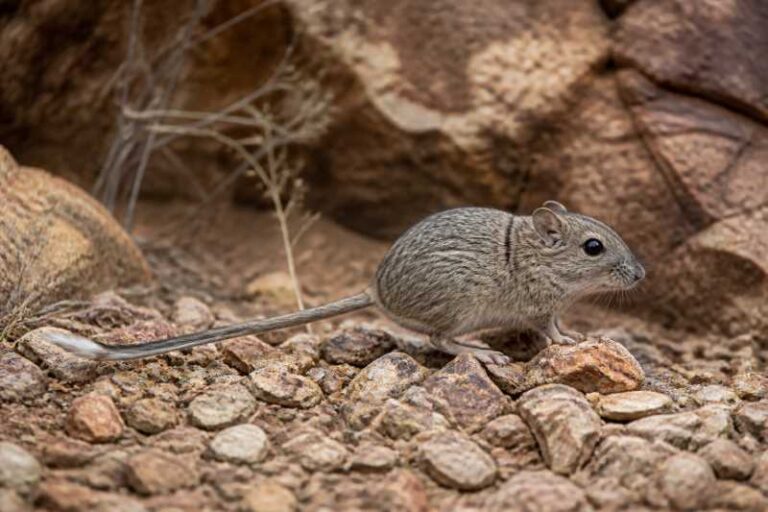
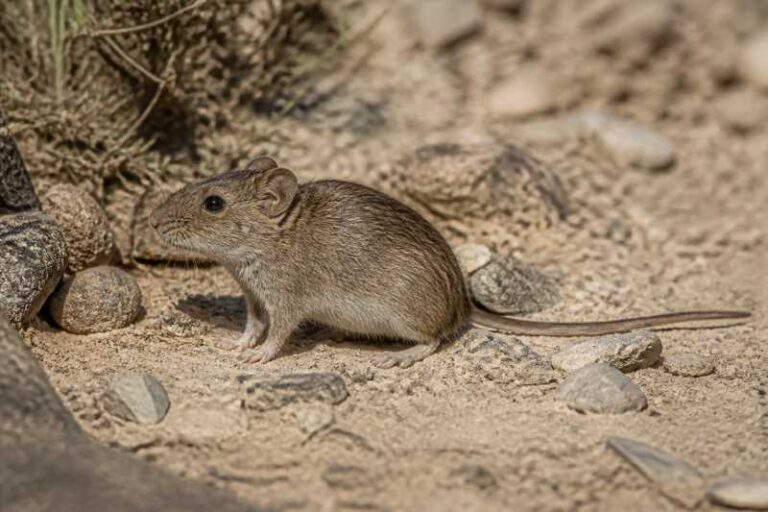
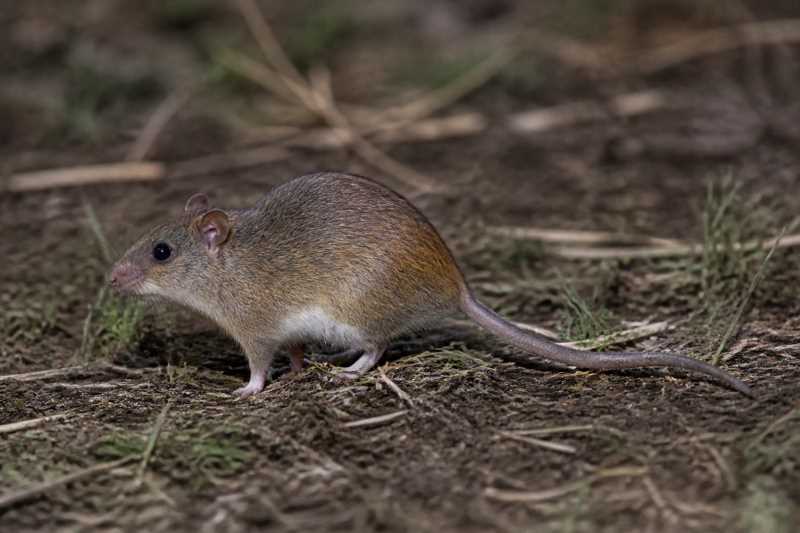
The Kutukú Rice Rat exhibits the typical features of the rodents in its family, yet it possesses distinct characteristics that set it apart. This medium-sized rodent measures approximately 15 to 20 centimeters in body length, with a tail that often matches or slightly exceeds its body length. The fur of the Kutukú Rice Rat is soft and dense, providing essential insulation against the varying temperatures of its native habitat. Its coloration ranges from a dull grayish-brown on the dorsal side to a lighter, almost white underside, which aids in camouflage amidst its natural surroundings.
The Kutukú Rice Rat’s ears are moderately sized and rounded, facilitating acute hearing capabilities. Its eyes are relatively large, an adaptation that enhances its nocturnal vision. The sharp, ever-growing incisors are a hallmark of the species, enabling it to gnaw through tough plant material efficiently.
Range and Habitat
The Kutukú Rice Rat is endemic to the lush, biodiverse ecosystems of the eastern slopes of the Andes in Ecuador. Its distribution is primarily associated with the Kutukú Mountains, from which its name is derived. This region is characterized by a mix of montane and cloud forests, ranging from lowland areas to elevations of up to 2,500 meters.
These forests provide a rich tapestry of microhabitats, including dense understory vegetation, fallen logs, and abundant leaf litter, all of which the Kutukú Rice Rat utilizes for shelter and foraging. The availability of water sources, such as streams and rivers, further enriches their habitat, as these rodents are known to be semi-aquatic, often found near water bodies.
Behavior and Diet
The Kutukú Rice Rat is primarily nocturnal, with peak activity occurring during the night when it forages for food. Its diet is omnivorous, consisting of a variety of plant materials, seeds, fruits, and small invertebrates. This diverse diet reflects the abundance of resources available in its habitat and highlights the species’ adaptability.
Socially, the Kutukú Rice Rat is relatively solitary, with individuals maintaining defined home ranges. However, during the breeding season, which typically aligns with the rainy season, these rodents become more social, forming temporary breeding pairs.
Identification Tips (Field Recognition Cues)
Identifying the Kutukú Rice Rat in the field can be challenging due to its nocturnal habits and elusive nature. However, several key features can aid in its recognition:
- Look for medium-sized rodents with a body length of 15-20 cm and a tail of similar length.
- Note the fur coloration: grayish-brown on top and lighter underneath.
- Observe the habitat: they are typically found in montane and cloud forests near water sources.
- Listen for rustling noises at night, which may indicate their presence as they forage.
Conservation Status (with Threats and Protections)
The conservation status of the Kutukú Rice Rat is currently classified as "Data Deficient" by the International Union for Conservation of Nature (IUCN). This classification highlights the lack of comprehensive data on the species’ population trends and distribution.
The primary threats to the Kutukú Rice Rat include habitat destruction due to deforestation, agricultural expansion, and human encroachment. These activities lead to the fragmentation of their natural habitat, posing significant challenges to their survival.
Efforts to protect the Kutukú Rice Rat focus on habitat preservation and restoration. Conservation organizations are working to establish protected areas within its range and promote sustainable land-use practices.
Frequently Asked Questions
Q1: What is the natural habitat of the Kutukú Rice Rat? A1: The Kutukú Rice Rat is native to the montane and cloud forests of the eastern Andes in Ecuador, particularly in the Kutukú Mountains.
Q2: How can you identify a Kutukú Rice Rat in the wild? A2: Look for a medium-sized rodent with a grayish-brown top and lighter underside, typically found in forested habitats near water sources.
Q3: What do Kutukú Rice Rats eat? A3: Their diet is omnivorous, consisting of seeds, fruits, plant material, and small invertebrates, reflecting the resources available in their habitat.
Q4: Are Kutukú Rice Rats endangered? A4: Currently, they are classified as "Data Deficient" due to limited information on their population and distribution, but habitat loss poses a threat.
Q5: What measures are in place to protect the Kutukú Rice Rat? A5: Conservation efforts focus on habitat preservation, establishing protected areas, and promoting sustainable land-use practices in their native range.
Related posts