Introduction
The Yungas Grass Mouse, scientifically known as Akodon aerosus, is a small, elusive rodent that inhabits the lush montane cloud forests of South America. Despite its unassuming appearance, this species plays a crucial role in its ecosystem, contributing to seed dispersion and serving as prey for a variety of predators. This article delves into the fascinating world of the Yungas Grass Mouse, exploring its physical characteristics, habitat preferences, behavioral patterns, and conservation status.
Physical Description
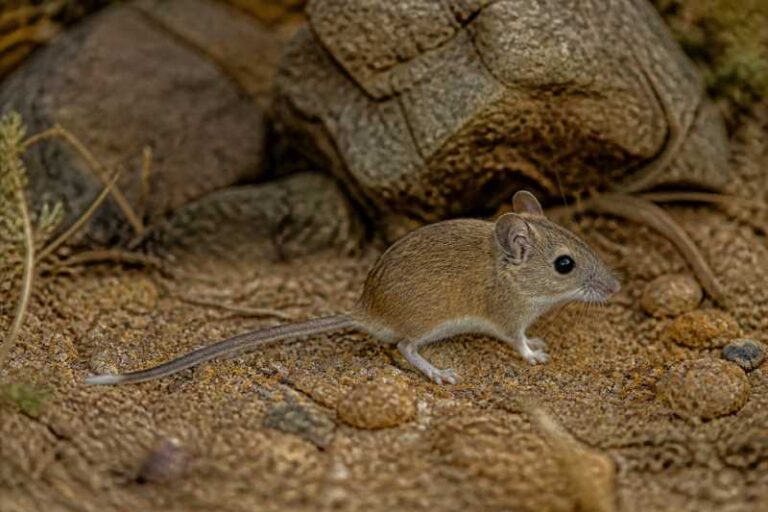
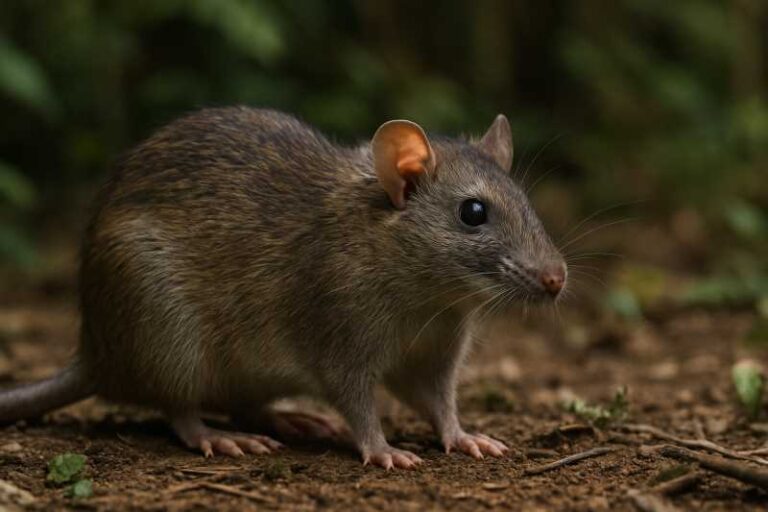
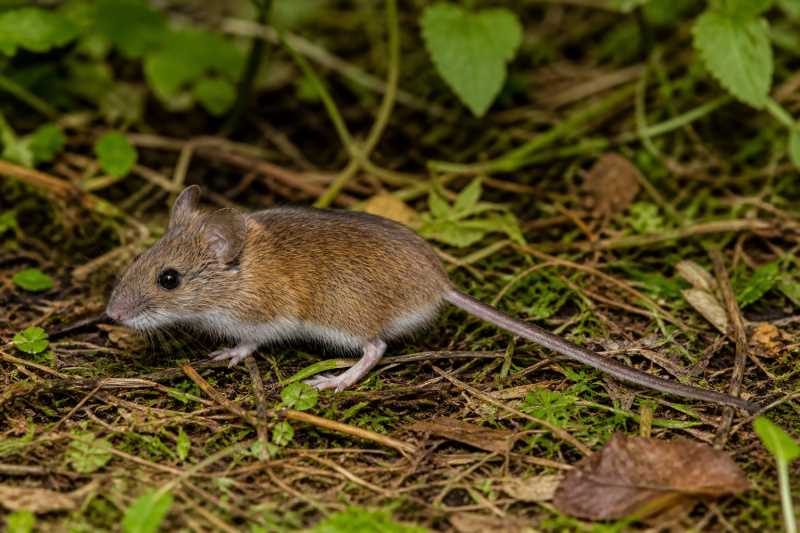
The Yungas Grass Mouse is a small mammal, typically weighing between 20 to 40 grams. It has a body length ranging from 9 to 12 centimeters, with a tail that is slightly shorter than its body. The fur of the Yungas Grass Mouse is soft and dense, primarily featuring a brownish hue on the dorsal side, while the ventral side is lighter, often appearing gray or off-white. This color variation provides effective camouflage against the forest floor and leaf litter.
The ears of the Yungas Grass Mouse are relatively small and rounded, with a fine covering of fur. Its eyes are proportionally large, suggesting a reliance on good vision in its dimly lit forest environment. The limbs of this mouse are well-adapted to its terrestrial lifestyle, with strong hind legs that aid in agile movements through its densely vegetated habitat.
Range and Habitat
The Yungas Grass Mouse is primarily found in the Yungas region of the Andes, which spans across parts of Bolivia, Peru, and Argentina. This species is typically associated with montane cloud forests, ranging in altitude from 1,000 to 3,500 meters above sea level. These forests are characterized by high humidity, frequent cloud cover, and a rich diversity of plant and animal life.
Within these forests, the Yungas Grass Mouse occupies a niche that includes the forest floor and the understory. It favors areas with dense vegetation that offer ample cover from predators and abundant food resources. The Yungas Grass Mouse is also known to inhabit areas near human settlements, where it can sometimes be found in agricultural landscapes.
Behavior and Diet
The Yungas Grass Mouse is primarily nocturnal, spending the daylight hours hidden in burrows or dense vegetation. Its nocturnal habits help it avoid predators and take advantage of the cooler nighttime temperatures. This species is generally solitary, but it may be seen in small groups during the breeding season or when food resources are abundant.
The diet of the Yungas Grass Mouse is omnivorous, comprising seeds, fruits, insects, and other small invertebrates. This varied diet allows it to adapt to seasonal changes in food availability, making it a resilient inhabitant of its montane forest environment. The mouse plays a vital ecological role by dispersing seeds and controlling insect populations.
Identification Tips (Field Recognition Cues)
Identifying the Yungas Grass Mouse in the field requires attention to a few key characteristics:
- Size and Shape: Look for a small rodent with a body length of 9 to 12 cm and a proportionally shorter tail.
- Coloration: Notice the brownish fur on the back and the lighter, grayish underside.
- Habitat: This species is typically found in montane cloud forests at elevations of 1,000 to 3,500 meters.
- Behavior: Observe for nocturnal activity and a preference for dense vegetation.
Conservation Status (with Threats and Protections)
The IUCN Red List currently classifies the Yungas Grass Mouse as a species of Least Concern. However, this status does not mean the species faces no threats. Habitat loss due to agricultural expansion, logging, and infrastructure development poses significant risks to the Yungas Grass Mouse’s forest habitat.
Conservation efforts for the Yungas Grass Mouse include the protection of its montane forest habitat through the establishment of protected areas and national parks. Sustainable land-use practices and reforestation projects are also critical in mitigating habitat loss. Continued research and monitoring are essential to ensure the long-term survival of this species.
Frequently Asked Questions
What is the habitat of the Yungas Grass Mouse?
The Yungas Grass Mouse inhabits montane cloud forests in the Andes, particularly in Bolivia, Peru, and Argentina. These forests are characterized by high humidity and dense vegetation.
Is the Yungas Grass Mouse endangered?
The Yungas Grass Mouse is currently classified as Least Concern by the IUCN, but it faces threats from habitat loss due to deforestation and agricultural expansion.
What does the Yungas Grass Mouse eat?
This species has an omnivorous diet, mainly consisting of seeds, fruits, insects, and other small invertebrates, allowing it to adapt to seasonal food availability.
How can I identify a Yungas Grass Mouse in the wild?
Look for a small rodent with brownish fur on the back, a lighter underside, and a body length of 9 to 12 cm. It is typically found in dense vegetation of montane cloud forests.
Why is the Yungas Grass Mouse important to its ecosystem?
The Yungas Grass Mouse plays a key role in seed dispersion and insect population control, contributing to the ecological balance of its montane forest habitat.
Related posts