Introduction
Michaelsen’s Long-clawed Mouse, scientifically known as Geoxus michaelseni, is a small mammal species that captures the interest of researchers and wildlife enthusiasts alike. As a member of the family Cricetidae, this rodent is notable for its unique physical characteristics and ecological role within its native habitats. Despite its relatively obscure status in the world of wildlife, Michaelsen’s Long-clawed Mouse plays a crucial role in the ecosystems it inhabits, contributing to the intricate balance of nature.
This article delves into the various aspects of Michaelsen’s Long-clawed Mouse, from its distinct physical features to its habitat preferences, behaviors, and conservation status. Whether you’re a seasoned biologist or a curious nature lover, this comprehensive overview provides valuable insights into this fascinating species.
Physical Description
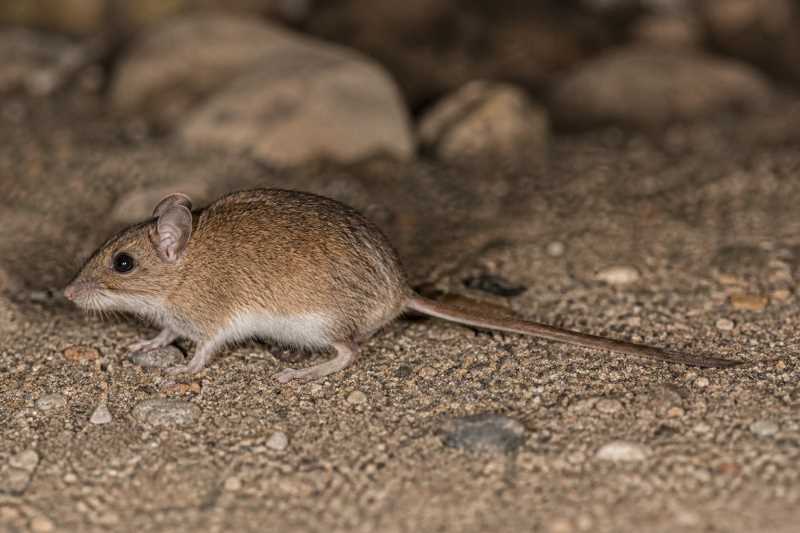
Michaelsen’s Long-clawed Mouse is a diminutive rodent, characterized by its elongated claws and compact body structure. Adult specimens typically weigh between 20 to 35 grams and measure about 10 to 12 centimeters in body length, with a tail extending an additional 5 to 7 centimeters. The mouse’s fur is predominantly a soft, grayish-brown on the dorsal side, which helps it blend seamlessly into its environment. The ventral side is usually lighter, ranging from pale gray to white.
A defining feature of this species is its long, slender claws, which are particularly pronounced on the forelimbs. These adaptations are not merely for show; they play a critical role in the animal’s ability to navigate its environment, dig for food, and construct burrows. The claws also assist in climbing, allowing the mouse to explore arboreal territories in search of resources.
The head of Michaelsen’s Long-clawed Mouse is small, with a pointed snout and large, dark eyes. The ears are relatively short and round, contributing to its overall aerodynamic form. These features are perfectly adapted to its lifestyle, allowing it to maneuver quickly through dense underbrush and evade predators.
Range and Habitat
Michaelsen’s Long-clawed Mouse is native to the temperate regions of South America, with a range predominantly extending across southern Chile and parts of Argentina. It thrives in a variety of habitats, from dense forests and shrublands to grasslands and mountainous regions. The species is particularly fond of areas with abundant ground cover, which provides both protection from predators and ample food sources.
In these habitats, the mouse constructs intricate burrows, utilizing its long claws to dig through soil and leaf litter. These burrows serve as both living quarters and storage for food, allowing the mouse to survive periods of scarcity. The species is also known to occupy abandoned burrows of other animals, exhibiting a degree of adaptability in its choice of shelter.
Michaelsen’s Long-clawed Mouse is highly dependent on the availability of food and shelter, which are critical to its survival and reproductive success. As such, the preservation of its natural habitats is vital to maintaining stable population levels.
Behavior and Diet
Michaelsen’s Long-clawed Mouse is primarily nocturnal, with peak activity occurring during the twilight hours of dawn and dusk. This behavior is likely an adaptation to avoid diurnal predators while maximizing foraging opportunities. The species is omnivorous, with a diet consisting of seeds, fruits, insects, and small invertebrates.
The mouse exhibits opportunistic feeding behavior, taking advantage of seasonal availability of food resources. During periods of abundance, it will hoard food in its burrow to ensure a steady supply during leaner times. This caching behavior is crucial for survival, particularly in regions where food availability fluctuates with the seasons.
Socially, Michaelsen’s Long-clawed Mouse is generally solitary, with individuals maintaining overlapping territories. However, during the breeding season, males may expand their ranges in search of mates. Breeding typically occurs in the spring and summer months, with females giving birth to litters of two to four young after a gestation period of approximately 25 days.
Identification Tips
Identifying Michaelsen’s Long-clawed Mouse in the field can be challenging due to its elusive nature and similarity to other rodent species. However, there are several key features to look for:
- Long Claws: As the name suggests, the mouse’s long claws are a distinct feature. These are especially noticeable on the forelimbs.
- Fur Color: Look for the soft, grayish-brown dorsal fur and lighter ventral side when attempting to identify the species.
- Size: Note the small size of the mouse, with a total length (including the tail) of approximately 15 to 19 centimeters.
- Behavior: Observe the animal’s nocturnal activity patterns and burrowing behavior, which are indicative of the species.
- Habitat: Consider the location and habitat type. Michaelsen’s Long-clawed Mouse is typically found in forested and shrubland areas within its range.
Conservation Status
The conservation status of Michaelsen’s Long-clawed Mouse is currently listed as "Least Concern" by the International Union for Conservation of Nature (IUCN). However, like many wildlife species, it faces potential threats that could impact its populations in the future.
Threats:
- Habitat Loss: Deforestation and land conversion for agriculture and urban development pose significant threats to the mouse’s natural habitat.
- Climate Change: Changes in climate patterns can alter the availability of food resources and suitable habitats, affecting the species’ survival.
- Predation: Increased predation pressure from introduced species, such as domestic cats, can also impact population numbers.
Protections:
Efforts to conserve Michaelsen’s Long-clawed Mouse focus on habitat protection and restoration. This includes the establishment of protected areas and reserves where the species can thrive without human interference. Additionally, research and monitoring programs aim to gather data on population trends and ecological requirements, informing conservation strategies to ensure the species’ long-term survival.
Frequently Asked Questions
1. What do Michaelsen’s Long-clawed Mice eat in the wild?
Michaelsen’s Long-clawed Mice have an omnivorous diet that includes seeds, fruits, insects, and small invertebrates. Their diet varies depending on seasonal availability, and they often hoard food to prepare for times when resources are scarce.
2. Where can Michaelsen’s Long-clawed Mice be found?
These mice are native to southern Chile and parts of Argentina, inhabiting regions with dense forests, shrublands, grasslands, and mountainous areas. They prefer environments with ample ground cover for protection and foraging.
3. How do Michaelsen’s Long-clawed Mice avoid predators?
Michaelsen’s Long-clawed Mice primarily rely on their nocturnal lifestyle to evade predators. They are most active during twilight hours, reducing the likelihood of encounters with diurnal predators. Their burrowing behavior also provides a safe refuge.
4. Are Michaelsen’s Long-clawed Mice endangered?
Currently, Michaelsen’s Long-clawed Mice are classified as "Least Concern" by the IUCN. While they are not endangered, they face threats such as habitat loss and climate change, which could impact their populations in the future.
5. How can Michaelsen’s Long-clawed Mouse be identified in the wild?
Identifying this species involves looking for its long claws, small size, grayish-brown fur, and nocturnal behavior. Observing the habitat type and geographical location can also aid in identification.
Related posts