Florida Deermouse (Podomys floridanus): A Comprehensive Guide
Introduction
The Florida Deermouse (Podomys floridanus) is a small, nocturnal rodent that is endemic to the state of Florida. As the only species in the genus Podomys, it holds a unique place in the ecosystem, contributing to the biodiversity of the region’s habitats. The Florida Deermouse is an integral part of the ecological web, playing a role in seed dispersal and serving as prey for various predators. Understanding this species is essential for conservation efforts, especially as its habitat faces increasing pressures from human activities.
Physical Description
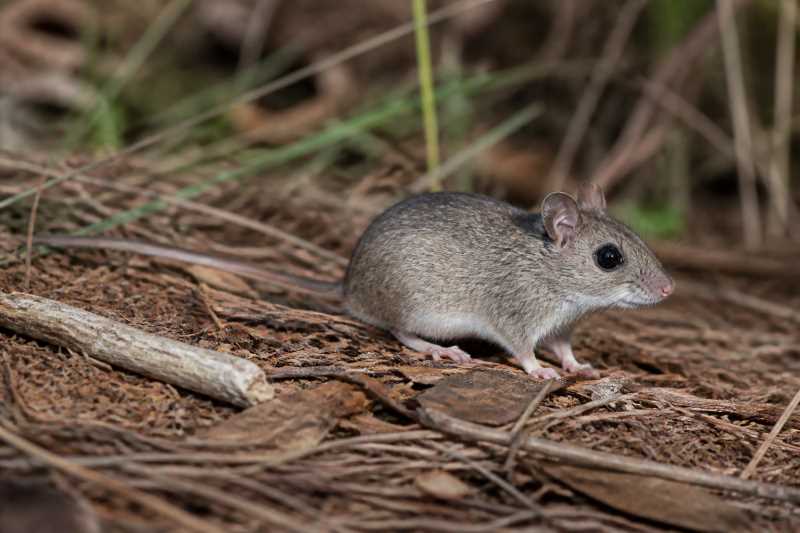
The Florida Deermouse is a small, attractive rodent characterized by its large ears, prominent eyes, and long, bicolored tail. On average, adults measure about 10 to 13 centimeters in body length, with an additional 7 to 11 centimeters of tail. Weighing between 15 and 40 grams, they are lightweight yet agile, a trait that aids in their survival in the wild.
Their fur is a soft, tawny color on the dorsal side, transitioning to a creamy white on the ventral side. This coloration provides excellent camouflage against the sandy soils and leaf litter of their native habitats. The Florida Deermouse’s whiskers are long and sensitive, aiding in navigation and environmental perception in low-light conditions.
Range and Habitat
The Florida Deermouse is endemic to the state of Florida, predominantly found in the central and northern regions. Their range is limited to well-drained upland habitats, including sandhills, scrub, and pine forests. These areas are characterized by sandy soils, longleaf pines, and an understory of saw palmettos and wiregrass, providing both food and shelter.
Habitat degradation and fragmentation pose significant threats to their range. Urban development, agriculture, and forestry practices have all contributed to the reduction and alteration of their natural habitats. Conservation efforts focus on preserving these critical environments to ensure the survival of the Florida Deermouse.
Behavior and Diet
The Florida Deermouse is primarily nocturnal, emerging at night to forage for food. Their diet consists largely of seeds, fruits, and insects, which they gather from the forest floor. They are known to hoard food, storing caches in burrows or under leaf litter for later consumption.
Socially, Florida Deermice are relatively solitary, with individuals maintaining distinct home ranges. They communicate through vocalizations, scent markings, and tactile interactions. Breeding can occur year-round, with peaks in the spring and fall. Females typically give birth to litters of three to four young, which are weaned after about four weeks.
Identification Tips (Field Recognition Cues)
If you’re attempting to identify the Florida Deermouse in the field, several key traits can assist:
- Size and Shape: Look for a small rodent with a body length of 10-13 cm and a tail nearly as long.
- Coloration: Note the tawny coloration on the back and the stark white belly.
- Ears and Eyes: Large ears and eyes are prominent features that help in distinguishing them from other similar species.
- Tail: The tail is bicolored, with a darker top and lighter underside, and is nearly hairless.
Conservation Status (With Threats and Protections)
The Florida Deermouse is currently listed as a species of concern, primarily due to habitat loss and fragmentation. The conversion of natural lands for agriculture, urban development, and forestry has significantly reduced their available habitat. Additionally, the introduction of invasive species and the suppression of natural fire regimes have further impacted their populations.
Conservation efforts are focused on habitat preservation and restoration. Protected areas, such as state parks and wildlife refuges, play a crucial role in sustaining populations. Efforts to manage and restore natural fire regimes are also critical, as these maintain the open, sandy habitats that Florida Deermice require.
Frequently Asked Questions
What do Florida Deermice eat?
Florida Deermice have a varied diet that includes seeds, fruits, and insects. They are opportunistic feeders, adapting their diet based on seasonal availability.
Where can I find Florida Deermice in the wild?
Florida Deermice are found in central and northern Florida, specifically in upland habitats such as sandhills, scrub, and pine forests.
Are Florida Deermice endangered?
While not currently listed as endangered, Florida Deermice are considered a species of concern due to habitat loss and fragmentation. Conservation efforts are ongoing to protect their remaining habitats.
How can I identify a Florida Deermouse?
Look for a small rodent with a tawny back, white belly, large ears and eyes, and a bicolored tail. These features are distinctive and aid in identification.
How does habitat loss affect Florida Deermice?
Habitat loss reduces the available space and resources for Florida Deermice, leading to population declines. Conservation efforts focus on preserving and restoring natural habitats to support their survival.
Related posts