Introduction
The Zamora Deermouse, scientifically known as Peromyscus zamorae, is a fascinating species of rodent belonging to the family Cricetidae. Native to Mexico, this small mammal is an integral part of its ecosystem, contributing to seed dispersion and serving as prey for various predators. Despite its relatively obscure status compared to more famous mammals, the Zamora Deermouse is an intriguing subject for both researchers and nature enthusiasts.
Physical Description
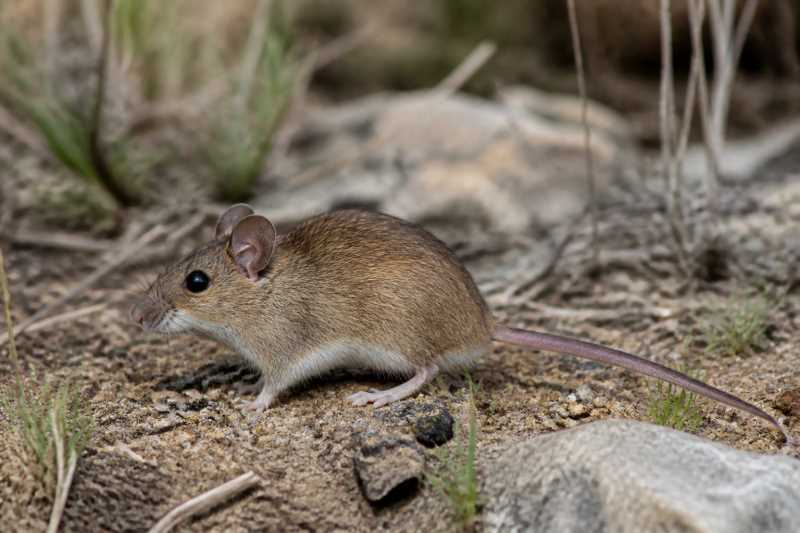
The Zamora Deermouse is characterized by its small size and delicate features. Typically, it weighs between 15 to 25 grams and measures approximately 150 to 200 millimeters in total length, including its tail, which is nearly as long as its body. This rodent exhibits a soft fur coat that is predominantly brown with lighter underparts, a common trait among members of the Peromyscus genus. Its large, round ears and prominent eyes are adapted for its nocturnal lifestyle, enhancing its ability to navigate and forage in the dark.
The tail of the Zamora Deermouse is notably bicolored, with a darker dorsal side and a lighter ventral side, aiding in balance and agility. Its limbs are relatively short but strong, allowing it to climb and scurry with ease through its environment.
Range and Habitat
The Zamora Deermouse is endemic to Mexico, with its primary range centered around the Sierra Madre Occidental region. It thrives in a variety of habitats, including subtropical and tropical dry forests, as well as mountainous terrain. This adaptability to diverse environments is a testament to the species’ resilience and ability to exploit different ecological niches.
Within these habitats, the Zamora Deermouse typically resides in areas with dense vegetation that provide ample cover and resources. It often inhabits areas with abundant leaf litter and fallen logs, which offer protection from predators and opportunities for nesting.
Behavior and Diet
The Zamora Deermouse is primarily nocturnal, spending the daylight hours hidden in burrows or other sheltered locations. At night, it becomes active, foraging for food and engaging in social interactions. This species is omnivorous, with a diet that includes seeds, fruits, insects, and small invertebrates. Its feeding habits play a crucial role in seed dispersion, aiding in the regeneration of plant life within its habitat.
Socially, the Zamora Deermouse is relatively solitary, although it may be seen in pairs or small groups, particularly during the breeding season. Communication is facilitated through vocalizations, scent marking, and physical gestures, which help establish territories and mating bonds.
Identification Tips (Field Recognition Cues)
Identifying the Zamora Deermouse in the field requires attention to several key characteristics:
- Size and Shape: Look for a small, agile rodent with a body size ranging from 150 to 200 mm, including a long, slender tail.
- Coloration: Note the bicolored tail and the distinct contrast between the brown upperparts and lighter underparts.
- Ears and Eyes: Large, round ears and prominent eyes are indicative of its nocturnal nature.
- Habitat: Search in areas with dense vegetation and ample ground cover in Mexico’s Sierra Madre Occidental.
Conservation Status (with Threats and Protections)
The conservation status of the Zamora Deermouse has not been extensively studied, primarily due to its limited range and elusive nature. However, like many rodent species, it faces threats from habitat destruction, climate change, and human encroachment.
Deforestation and land conversion for agriculture are among the primary concerns, as they lead to habitat fragmentation and loss. Conservation efforts must focus on habitat preservation and sustainable land management practices to ensure the survival of this species.
Currently, there are no specific conservation programs dedicated to the Zamora Deermouse, but it benefits from general efforts to protect biodiversity in Mexico’s forested regions.
Frequently Asked Questions
Q1: What is the primary habitat of the Zamora Deermouse?
The Zamora Deermouse primarily inhabits subtropical and tropical dry forests in Mexico’s Sierra Madre Occidental region. It prefers areas with dense vegetation and ground cover.
Q2: How does the Zamora Deermouse contribute to its ecosystem?
This species plays a crucial role in seed dispersion, aiding in plant regeneration. It also serves as prey for various predators, maintaining the ecological balance.
Q3: What are the main threats to the Zamora Deermouse?
The primary threats include habitat destruction due to deforestation and land conversion for agriculture, leading to fragmentation and loss of suitable living spaces.
Q4: How can one identify a Zamora Deermouse in the wild?
Look for a small rodent with a bicolored tail, brown upperparts, lighter underparts, large ears, and prominent eyes, typically found in dense forested areas.
Q5: Are there any conservation programs for the Zamora Deermouse?
Currently, there are no specific programs for this species, but it benefits from general biodiversity conservation efforts in Mexico.
Related posts