Introduction
The Puebla Deermouse, scientifically known as Peromyscus mekisturus, is a fascinating yet little-known mammal species endemic to Mexico. These small rodents are part of the Cricetidae family and are closely related to other members of the Peromyscus genus, known for their adaptability and ecological significance. This article delves into the life of the Puebla Deermouse, exploring its physical characteristics, habitat, behavior, diet, and conservation status, providing a comprehensive insight into this intriguing species.
Physical Description
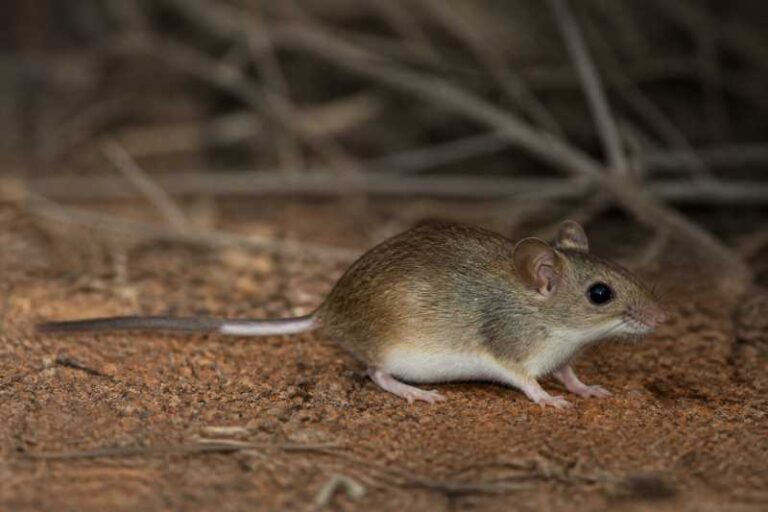
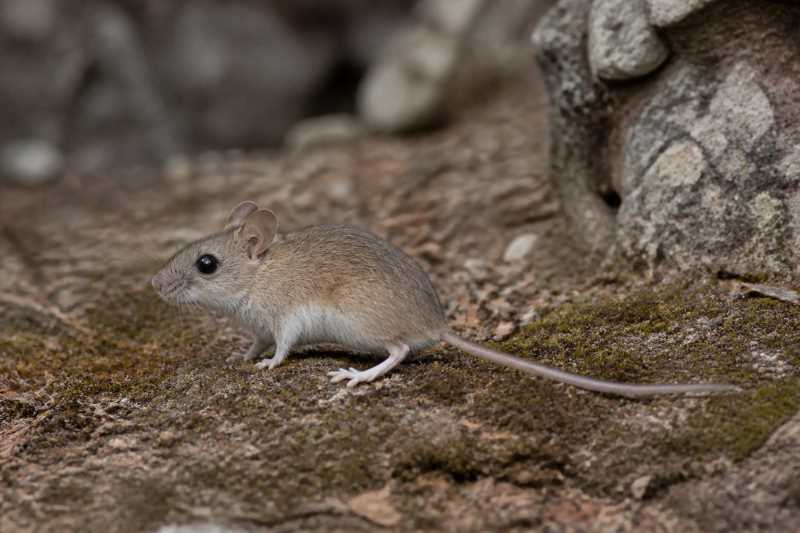
The Puebla Deermouse is a small rodent, characterized by its distinctive morphological features that aid in its survival in the wild. Adults typically measure between 170 to 210 millimeters in total length, including their tail, which can constitute nearly half of their body length. Their weight ranges from 20 to 30 grams, making them lightweight but agile creatures.
The fur of the Puebla Deermouse is soft and dense, providing insulation against the varying temperatures of its habitat. Its dorsal side is usually a grayish-brown color, with subtle variations that blend seamlessly with its environment. The ventral side, however, is a lighter shade, often white or cream, which contrasts sharply with the darker dorsal fur. This counter-shading is a common form of camouflage in many small mammals.
Another notable feature is its large, prominent eyes and ears, adaptations for its nocturnal lifestyle. These adaptations enhance its ability to navigate and forage during the night, relying heavily on its keen sense of hearing and sight.
Range and Habitat
The Puebla Deermouse is endemic to Mexico, with its range primarily restricted to the central region of the country. It has been predominantly recorded in the states of Puebla, hence its name, and surrounding areas.
Its preferred habitat includes dry, semi-arid regions, often characterized by scrubland and rocky outcrops. These areas provide ample cover and foraging opportunities while offering protection from predators. The Puebla Deermouse is also known to inhabit areas with a mix of grasslands and sparse woodland, utilizing the diverse vegetation for food and shelter.
The adaptability of the Puebla Deermouse to different habitats within its range is a testament to its evolutionary success. However, this adaptability is not without its limits, as the species relies heavily on the availability of specific habitat conditions.
Behavior and Diet
The Puebla Deermouse is primarily nocturnal, venturing out at night to forage and explore its environment. This nocturnal behavior reduces the risk of predation while allowing it to capitalize on the cooler nighttime temperatures of its arid habitat.
Socially, Puebla Deermice are relatively solitary, with interactions largely limited to the breeding season. Males and females come together to mate, after which they typically resume their solitary lifestyles. Nesting occurs in burrows or crevices, where the female will rear her young until they are independent.
The diet of the Puebla Deermouse is omnivorous, consisting of seeds, fruits, insects, and other small invertebrates. This varied diet allows them to exploit a wide range of food sources, which is particularly advantageous in their often resource-limited habitats. Their foraging behavior involves careful searching and collection of food items, which they may store for later consumption.
Identification Tips (field recognition cues)
Identifying the Puebla Deermouse in the field requires careful observation of several key features:
- Size and Proportions: Look for a small rodent with a total length of 170 to 210 millimeters, including a proportionately long tail.
- Fur Coloration: Note the grayish-brown dorsal fur and contrasting lighter ventral side.
- Nocturnal Activity: They are most active during the night, so sightings are more likely at dusk or dawn.
- Habitat Preference: Focus on dry, semi-arid regions with scrubland and rocky outcrops, which are their preferred habitats.
- Large Eyes and Ears: These features are adaptations to their nocturnal lifestyle and help distinguish them from other rodents.
Conservation Status (with threats and protections)
The Puebla Deermouse is currently classified as "Least Concern" by the International Union for Conservation of Nature (IUCN). This classification is due to its relatively stable population and adaptability to its habitat. However, like many species, it faces potential threats that could impact its conservation status in the future.
Threats
- Habitat Destruction: Urbanization, agriculture, and deforestation are significant threats, leading to habitat fragmentation and loss.
- Climate Change: Alterations in temperature and precipitation patterns can affect the availability of resources and suitable habitats.
- Predation and Competition: Increased predation by domestic and feral cats, as well as competition for resources with other small mammals, can affect populations.
Protections
Efforts to conserve the Puebla Deermouse include habitat preservation and the establishment of protected areas. These measures aim to mitigate habitat destruction and maintain ecological balance. Research and monitoring of populations are also crucial in understanding and addressing potential threats.
Frequently Asked Questions
What is the typical lifespan of a Puebla Deermouse?
The average lifespan of a Puebla Deermouse in the wild is about 1 to 2 years. Factors such as predation, availability of food, and environmental conditions can influence their longevity.
How does the Puebla Deermouse adapt to its environment?
The Puebla Deermouse has adapted through features like nocturnal activity, effective camouflage, and a varied diet, allowing it to thrive in its semi-arid habitat.
Are Puebla Deermice endangered?
Currently, Puebla Deermice are classified as "Least Concern" by the IUCN. However, ongoing habitat destruction poses a risk to their long-term survival.
What role do Puebla Deermice play in their ecosystem?
They serve as prey for various predators and contribute to seed dispersal and soil aeration through their foraging and burrowing activities.
Can Puebla Deermice be kept as pets?
While it is theoretically possible, keeping Puebla Deermice as pets is not recommended due to their specialized habitat needs and the potential impact on wild populations.
Related posts