Introduction
The Aztec Deermouse (Peromyscus aztecus) is a fascinating species belonging to the family Cricetidae. As part of the Peromyscus genus, which includes some of the most common rodents in North America, this species presents unique characteristics that distinguish it from its relatives. The Aztec Deermouse is an integral part of the ecosystem and plays a crucial role in various ecological processes. Understanding its physical characteristics, natural habitat, behavior, and conservation status is vital for appreciating its contribution to biodiversity.
Physical Description
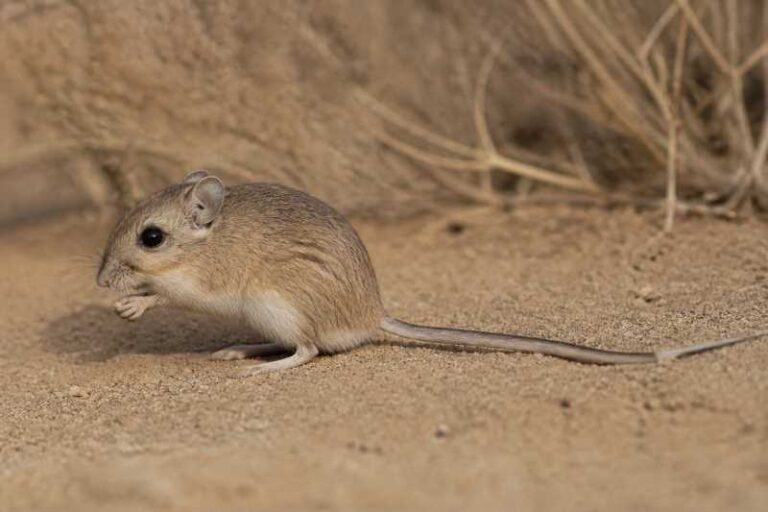
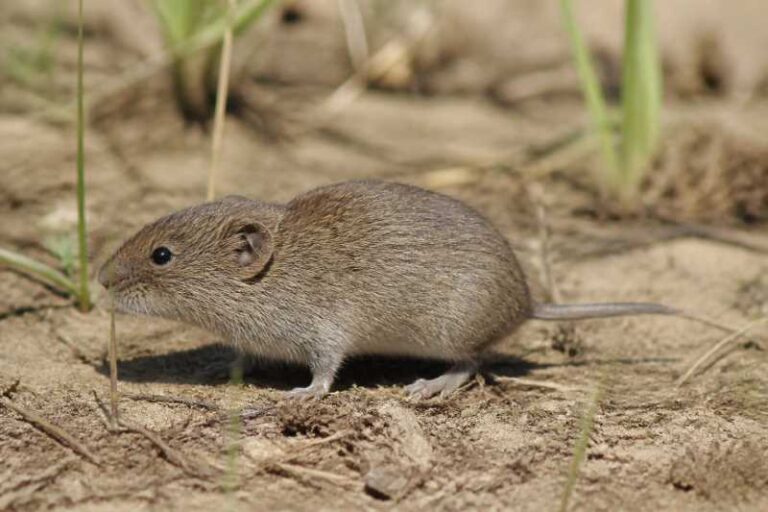
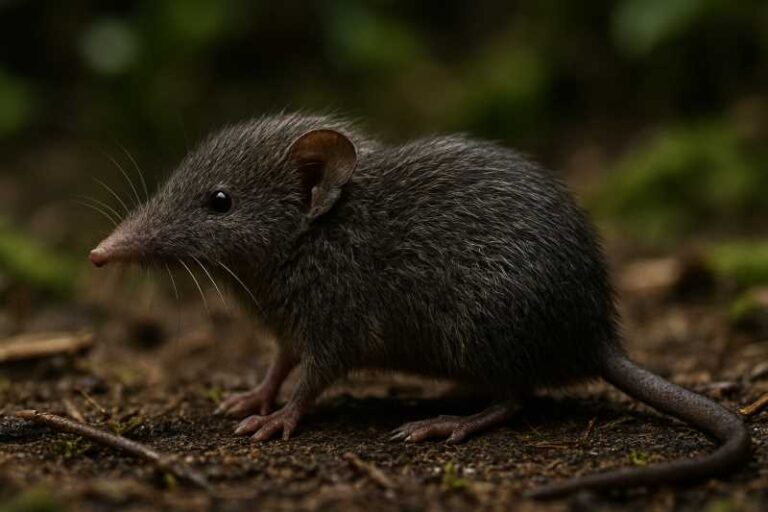
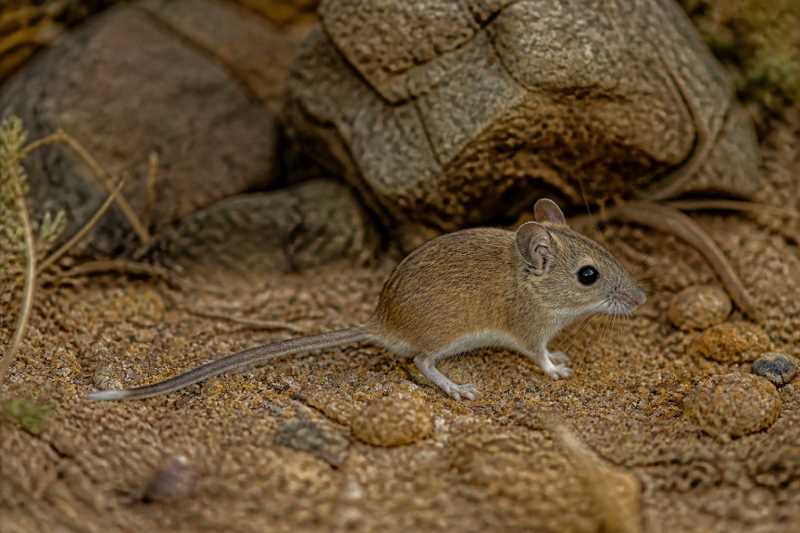
The Aztec Deermouse is a small mammal characterized by its nimble and agile body. Adults typically weigh around 30 to 50 grams and have a body length of approximately 70 to 100 millimeters, excluding the tail. The tail itself is slightly longer than the body, measuring between 90 to 120 millimeters, which aids in balance and navigation through its habitat.
The fur of the Aztec Deermouse is soft and dense, providing insulation against varying temperatures. Its dorsal side is usually a shade of gray or brown, blending seamlessly with its natural surroundings, while the ventral side is lighter, often whitish or light gray. The large, prominent ears and dark, beady eyes are distinctive features that enhance its sensory perception, vital for nocturnal activity.
Range and Habitat
The Aztec Deermouse is predominantly found in the high-altitude regions of central and southern Mexico. Its range extends through the Sierra Madre Occidental and into parts of the Sierra Madre del Sur. The species thrives in montane forests, particularly in areas with dense undergrowth and ample ground cover.
These forests are typically composed of pine, oak, and fir trees, providing both food and shelter for the Aztec Deermouse. The species exhibits a preference for habitats that offer a complex understory, which is essential for nesting and foraging. The elevation range for this species is generally between 1,500 to 3,000 meters above sea level, where cooler temperatures and higher humidity levels prevail.
Behavior and Diet
The Aztec Deermouse is primarily nocturnal, exhibiting most of its activity during the night. This behavior is advantageous as it reduces predation risks and allows the mouse to exploit food resources with less competition. They are solitary creatures, with interactions primarily occurring during the breeding season.
Their diet is omnivorous, consisting of seeds, fruits, and small invertebrates. They play an essential role in seed dispersal, aiding in forest regeneration. The Aztec Deermouse has a remarkable ability to adapt its diet based on seasonal availability, which is crucial for survival in the variable montane environment.
Identification Tips (Field Recognition Cues)
Identifying the Aztec Deermouse in the field requires attention to several key characteristics. First, note the size and coloration: a small rodent with grayish-brown fur on the back and a lighter underside. The long tail, which often exceeds the body length, is another distinctive feature.
The large, rounded ears and dark eyes are prominent on the small head, aiding in distinguishing the Aztec Deermouse from other Peromyscus species. Observing their movement can also be a clue; they are agile and capable of swift, darting motions through dense underbrush.
Conservation Status (With Threats and Protections)
The conservation status of the Aztec Deermouse is currently classified as Least Concern by the International Union for Conservation of Nature (IUCN). However, this does not imply that the species is free from threats. Habitat destruction due to logging, agricultural expansion, and urbanization poses significant challenges to their populations.
Additionally, climate change impacts, such as altered precipitation patterns and temperature shifts, could affect their montane habitats. Conservation efforts should focus on preserving their natural habitats and mitigating the adverse effects of human activities. Protected areas and sustainable land-use practices are essential for ensuring the long-term survival of the Aztec Deermouse.
Frequently Asked Questions
What is the natural habitat of the Aztec Deermouse?
The Aztec Deermouse primarily inhabits montane forests in central and southern Mexico, thriving in areas with dense undergrowth and complex understory vegetation.
How can I identify an Aztec Deermouse in the wild?
Look for a small rodent with gray-brown fur, a long tail, large ears, and dark eyes. Their agile movements and nocturnal behavior are also key identifiers.
What threats does the Aztec Deermouse face?
The main threats include habitat destruction due to logging, agricultural expansion, urban development, and the impacts of climate change.
Are Aztec Deermice important for the ecosystem?
Yes, they play a critical role in seed dispersal, contributing to forest regeneration and maintaining ecological balance in their habitats.
What conservation measures are in place for the Aztec Deermouse?
Conservation measures focus on habitat preservation, sustainable land use, and the establishment of protected areas to mitigate the threats posed by human activities.
Related posts