Introduction
The White-toothed Woodrat (Neotoma leucodon), also known as the Mexican Woodrat, is a fascinating rodent species native to North America. These small mammals are known for their unique nesting habits and significant ecological roles within their habitats. Woodrats are part of the Cricetidae family and are recognized for their adaptability to diverse environments. In this comprehensive article, we will explore the various aspects of the White-toothed Woodrat, including its physical characteristics, habitat, behavior, and conservation status.
Physical Description
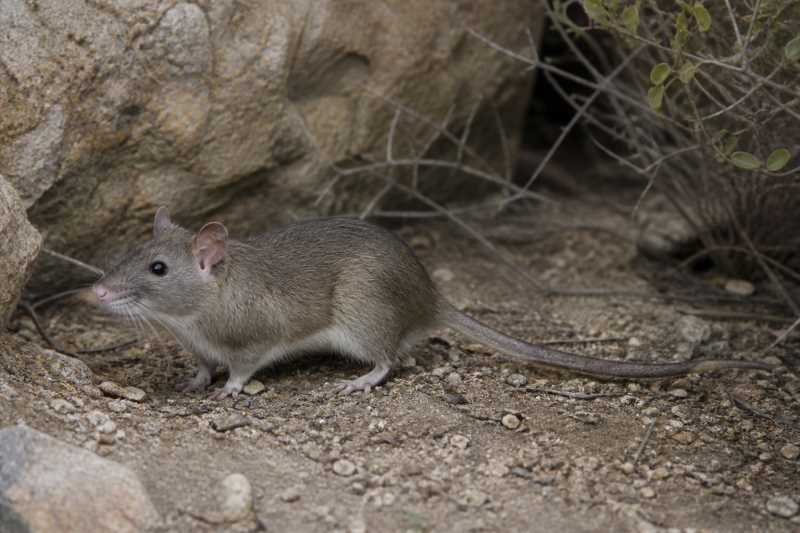
The White-toothed Woodrat is a medium-sized rodent, typically measuring around 28 to 39 centimeters in length, including its tail. The average weight ranges from 200 to 300 grams. As its name suggests, the species is distinguished by its white or pale-colored incisors, a trait that sets it apart from other woodrat species.
Their fur is generally grayish-brown, with a lighter, often whitish, underbelly. The tail is covered in fur and is bicolored, darker on the top and lighter on the bottom, which aids in balance and agility. The ears are large and rounded, providing acute hearing, which is crucial for detecting predators.
One of the notable features of the White-toothed Woodrat is its robust, dexterous front paws, which are well adapted for climbing and manipulating objects. These paws are also employed in their unique habit of collecting various items to build their nests, known as middens.
Range and Habitat
The White-toothed Woodrat primarily inhabits the southwestern United States and northern Mexico. Their range extends from central Texas through New Mexico and Arizona, reaching into the Mexican states of Chihuahua and Coahuila.
These rodents are highly adaptable and can be found in a variety of habitats, including deserts, woodlands, and rocky areas. They prefer regions with ample cover, such as dense shrubbery or rocky crevices, which offer protection from predators and harsh weather conditions.
Woodrats construct elaborate nests or middens, often using plant material, rocks, and man-made objects. These structures provide shelter and storage for food. The choice of nesting materials can vary significantly, depending on the availability of resources in their habitat.
Behavior and Diet
White-toothed Woodrats are primarily nocturnal, becoming active during the night to forage for food and build their nests. This behavior helps them avoid the heat of the day and reduces the risk of predation.
Their diet is omnivorous but predominantly herbivorous, consisting of seeds, fruits, leaves, and occasionally insects. They are known to cache food in their middens, ensuring a stable food supply during scarce periods. This caching behavior is vital for their survival in arid environments where food resources can be unpredictable.
Socially, White-toothed Woodrats are generally solitary, coming together only for breeding purposes. However, their territories may overlap, leading to occasional encounters. Communication is achieved through vocalizations, scent marking, and physical displays.
Identification Tips (field recognition cues)
Identifying the White-toothed Woodrat in the field can be achieved by looking for several key characteristics:
- White Incisors: As the name suggests, the white or pale-colored incisors are a defining feature.
- Fur Coloration: Look for the grayish-brown fur with a lighter underbelly.
- Tail Features: The bicolored tail, with a darker top and lighter bottom, is distinctive.
- Nesting Habits: Observe for middens constructed from diverse materials, often including shiny or unusual objects.
- Habitat: They are commonly found in rocky or shrubby areas within their range.
Conservation Status (with threats and protections)
The conservation status of the White-toothed Woodrat is currently listed as "Least Concern" by the International Union for Conservation of Nature (IUCN). However, like many species, they face several threats that could impact their populations in the future.
Threats:
- Habitat Destruction: Urbanization, agriculture, and mining activities can lead to habitat loss and fragmentation.
- Climate Change: Alterations in temperature and precipitation patterns may affect the availability of food and suitable habitats.
- Predation: Natural predators include snakes, owls, and carnivorous mammals, which can impact local populations.
Protections:
Conservation efforts for the White-toothed Woodrat focus on habitat preservation and management. Protected areas within their range provide secure habitats where they can thrive. Additionally, research and monitoring programs help track population trends and identify emerging threats.
Frequently Asked Questions
1. What do White-toothed Woodrats eat?
White-toothed Woodrats primarily consume seeds, fruits, leaves, and occasionally insects. Their diet is varied and adapted to the availability of resources within their habitat.
2. How do White-toothed Woodrats build their nests?
Woodrats construct nests, known as middens, using a variety of materials, including plant matter, rocks, and man-made objects. These structures provide shelter and food storage.
3. Are White-toothed Woodrats endangered?
Currently, White-toothed Woodrats are classified as "Least Concern" by the IUCN. However, they face threats such as habitat destruction and climate change, which could impact their populations in the future.
4. How can you identify a White-toothed Woodrat?
Key identification features include their white incisors, grayish-brown fur with a lighter underbelly, and a bicolored tail. They are often found in rocky or shrubby habitats.
5. What is the range of the White-toothed Woodrat?
The White-toothed Woodrat is found in the southwestern United States and northern Mexico, primarily inhabiting regions with dense shrubbery or rocky areas.
Related posts