Introduction
The Narrow-headed Vole (Stenocranius gregalis) is a small rodent species belonging to the family Cricetidae. Known for its distinctive elongated head and sleek body, this vole occupies a fascinating niche in the ecosystems of the Northern Hemisphere. Its adaptability to harsh climates and unique physiological traits make it a subject of interest for mammalogists and wildlife enthusiasts alike. Despite its relatively low profile compared to other mammalian species, the Narrow-headed Vole plays a significant role in its habitat, contributing to the ecological balance.
Physical Description
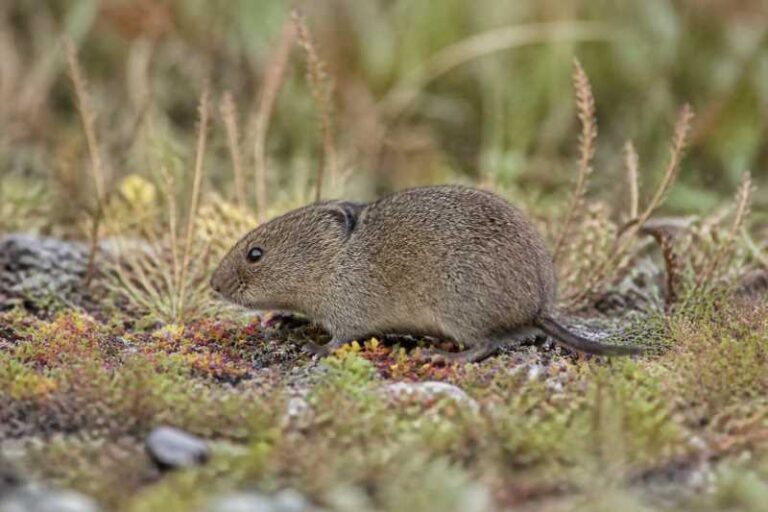
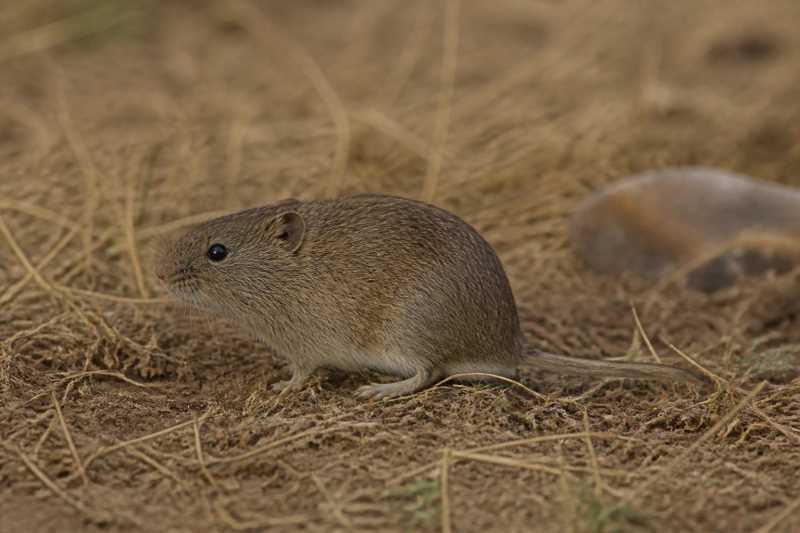
The Narrow-headed Vole is easily recognizable by its slender, elongated skull and a pointed snout that differentiates it from other vole species. Typically, adults weigh between 20 to 35 grams and measure around 10 to 12 centimeters in body length, excluding a short tail that adds an additional 3 to 4 centimeters. The fur of Stenocranius gregalis is dense and soft, providing adequate insulation against cold environments. Its coloration ranges from grey to brownish-grey, with a slightly paler underbelly, allowing it to blend seamlessly into its surroundings.
The vole’s eyes are relatively small, adapted for minimal light conditions, while its ears are rounded and partially hidden within its fur, reducing heat loss. Its limbs are short but sturdy, equipped with sharp claws that aid in digging burrows and foraging for food.
Range and Habitat
The Narrow-headed Vole is primarily found across the northern regions of Eurasia, extending from Eastern Europe through Siberia and reaching parts of China and Mongolia. Its preferred habitat includes tundra, steppes, and forested areas, where it can find ample cover and food sources. The vole is also known to inhabit agricultural lands, particularly favoring grain fields where it can forage for seeds and vegetation.
Adapted to cold climates, the Narrow-headed Vole thrives in environments with harsh winters and short summers. It constructs complex burrow systems that provide shelter from predators and extreme weather, ensuring its survival in these challenging conditions.
Behavior and Diet
The Narrow-headed Vole is primarily nocturnal, with peak activity during twilight hours. It exhibits solitary behavior, with individuals often maintaining distinct territories that they mark with scent to deter intruders. Its burrow systems are intricate, consisting of multiple chambers used for nesting, food storage, and refuge.
Dietarily, the vole is herbivorous, feeding on a variety of plant materials. Its diet consists mainly of grasses, seeds, roots, and occasionally, small insects. During the summer months, the vole actively forages to accumulate food reserves for the winter, storing surplus in its burrow systems.
Identification Tips (Field Recognition Cues)
When attempting to identify the Narrow-headed Vole in the field, look for the following distinguishing features:
- Head Shape: Notice the elongated, narrow head with a pointed snout.
- Size and Weight: Observe the small size, with a body length of 10 to 12 cm and a tail of 3 to 4 cm.
- Coloration: Look for the grey to brownish-grey fur, with a lighter underbelly.
- Behavior: Watch for solitary and nocturnal activity, often around dusk and dawn.
- Burrow Systems: Spot the presence of complex burrow networks, often with entrances hidden under vegetation.
Conservation Status (With Threats and Protections)
The Narrow-headed Vole is currently listed as "Least Concern" on the IUCN Red List, reflecting its wide distribution and stable population numbers. However, certain threats could impact its populations if not managed adequately. Habitat loss due to agricultural expansion and land development poses a significant threat, as it reduces the availability of suitable habitats. Additionally, climate change could alter the vole’s habitat, affecting food availability and weather conditions critical for its survival.
Protections for Stenocranius gregalis include conservation efforts to preserve natural habitats and mitigate the effects of climate change. Research initiatives aimed at understanding the vole’s ecological role and population dynamics are also crucial in formulating effective conservation strategies.
Frequently Asked Questions
What does the Narrow-headed Vole eat?
The Narrow-headed Vole primarily feeds on grasses, seeds, roots, and occasionally small insects. It stores food in its burrows to survive harsh winters.
Where can I find the Narrow-headed Vole?
The vole is found across northern Eurasia, from Eastern Europe through Siberia, and into parts of China and Mongolia. It inhabits tundra, steppes, and forested areas.
How does the Narrow-headed Vole adapt to cold climates?
The vole adapts to cold climates through its dense fur, burrow systems for shelter, and food storage for winter survival. It exhibits nocturnal behavior to conserve energy.
Is the Narrow-headed Vole endangered?
Currently, the Narrow-headed Vole is not endangered and is listed as "Least Concern" on the IUCN Red List, though habitat loss and climate change pose potential threats.
How can I identify a Narrow-headed Vole in the wild?
Look for its distinctive elongated head, small size, grey to brownish-grey fur, and solitary, nocturnal behavior. Its presence is often indicated by intricate burrow systems.
Related posts