Introduction
The Nepalese Mountain Vole (Neodon nepalensis) is a small yet fascinating mammal species that inhabits the high-altitude regions of the Himalayas. Renowned for its adaptability to extreme environments, this vole plays a crucial role in its ecosystem, contributing to soil aeration and serving as prey for various predators. Understanding the biology and ecology of Neodon nepalensis is essential for wildlife enthusiasts and conservationists alike, as this species highlights the unique biodiversity of the Himalayan region.
Physical Description
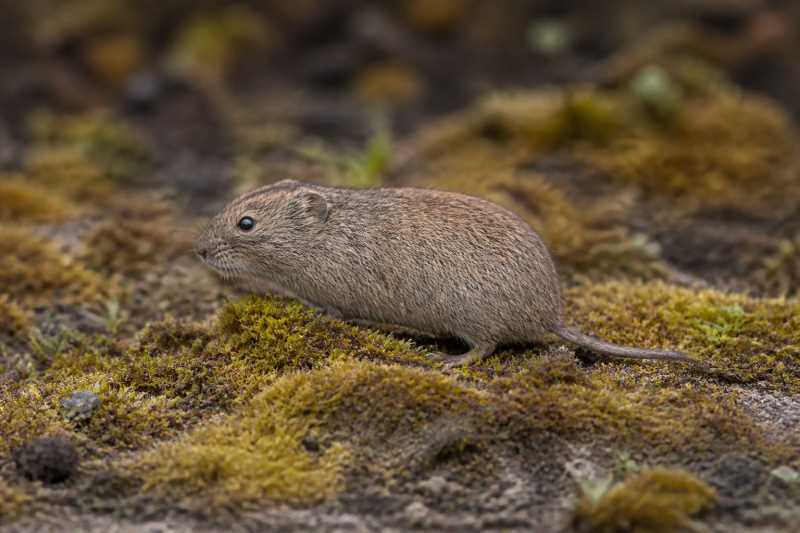
The Nepalese Mountain Vole is characterized by its compact and robust body, which is well-suited for life in mountainous terrains. Adult voles typically weigh between 30 to 50 grams and measure around 10 to 12 centimeters in length, excluding the tail. The tail is relatively short, measuring about one-third of the body length, and covered with fine hair.
The fur of Neodon nepalensis is dense and soft, providing essential insulation against the cold temperatures of its habitat. The coloration of the fur is predominantly grayish-brown, which provides effective camouflage against the rocky and earthy backdrop of the mountains. The underbelly is slightly lighter, often a pale gray or whitish color. Their small, rounded ears are partially hidden by fur, and their eyes are small, reflecting their adaptation to their dimly lit burrows.
Range and Habitat
Neodon nepalensis is endemic to the Himalayan region, with its range primarily encompassing Nepal and parts of adjacent areas in the Tibetan Plateau. This species is found at elevations ranging from 2,000 to 4,500 meters above sea level, thriving in harsh, alpine environments where few other mammals can survive.
The preferred habitat of the Nepalese Mountain Vole includes alpine meadows, shrublands, and rocky slopes. These areas offer ample food sources and suitable conditions for burrowing. Their burrow systems are often complex, providing shelter from predators and extreme weather conditions. The voles may also be found in the vicinity of agricultural lands, where they occasionally become pests by feeding on crops.
Behavior and Diet
The Nepalese Mountain Vole exhibits a variety of fascinating behaviors that enable it to survive in its challenging environment. Primarily crepuscular, these voles are most active during dawn and dusk, reducing their exposure to predators. They are social animals, often living in small family groups within interconnected burrow systems.
The diet of Neodon nepalensis is herbivorous, consisting mainly of grasses, seeds, and leaves. During the warmer months, they forage extensively, storing food in their burrows to sustain them during the harsh winter months when food is scarce. This caching behavior is critical for their survival in the high-altitude regions where they reside.
Identification Tips (Field Recognition Cues)
Recognizing the Nepalese Mountain Vole in the wild requires careful observation, as their small size and cryptic coloration can make them elusive. Here are some tips for identifying Neodon nepalensis:
- Size and Shape: Look for a small, robust mammal with a relatively short tail. The body is compact and rounded.
- Fur Color: The vole’s fur is grayish-brown, blending well with the rocky terrain. The underbelly is lighter.
- Behavior: Observe during early morning or late afternoon. These times increase the chances of spotting them as they emerge from their burrows.
- Habitat: Check alpine meadows and rocky slopes at high elevations. Look for signs of burrows or foraging activity.
Conservation Status (with Threats and Protections)
As of the latest assessments, the Nepalese Mountain Vole is not currently listed as threatened or endangered. However, it faces several challenges that could impact its populations in the future.
Threats
- Habitat Fragmentation: Expanding human settlement and agricultural activities are leading to habitat loss and fragmentation, which can disrupt vole populations.
- Climate Change: Rising temperatures and changing precipitation patterns could alter the high-altitude ecosystems that the vole depends on.
- Predation: Natural predators, including birds of prey and carnivorous mammals, pose a constant threat. Increased human presence can also introduce new predators or increase pressure from existing ones.
Protections
Efforts to conserve the Nepalese Mountain Vole’s habitat are crucial. Protected areas such as national parks and wildlife reserves in the Himalayas play a vital role in safeguarding these environments. Conservation initiatives focusing on sustainable agricultural practices and habitat restoration are also beneficial.
Frequently Asked Questions
What is the scientific name of the Nepalese Mountain Vole?
The scientific name of the Nepalese Mountain Vole is Neodon nepalensis. It belongs to the family Cricetidae, which encompasses various species of voles and lemmings.
How does the Nepalese Mountain Vole survive the harsh winters?
The Nepalese Mountain Vole survives harsh winters by storing food during the summer and fall. Their dense fur provides insulation, and they remain in their burrows to avoid the cold.
What role does the Nepalese Mountain Vole play in its ecosystem?
Neodon nepalensis plays a critical role in its ecosystem by aerating the soil through its burrowing activities. It also serves as prey for various predators, thus contributing to the food web.
Are Nepalese Mountain Voles harmful to agriculture?
In some cases, Nepalese Mountain Voles may become pests by feeding on crops near their habitats. However, their impact is generally minimal and can be managed through sustainable practices.
How can I help protect the Nepalese Mountain Vole?
Supporting conservation programs that focus on habitat preservation and sustainable land use practices in the Himalayas can help protect the Nepalese Mountain Vole. Promoting awareness about the species and its ecological importance is also beneficial.
Related posts