Introduction
The Zempoaltepec Vole, scientifically known as Microtus umbrosus, is a small mammal native to Mexico. It is a lesser-known member of the vole family, characterized by its unique habitat preferences and behaviors. This article aims to provide an in-depth understanding of the Zempoaltepec Vole, covering aspects such as its physical characteristics, habitat, behavior, and conservation status.
The Zempoaltepec Vole draws its name from Cerro Zempoaltepec, a mountain in the Sierra Madre de Oaxaca region, where it is primarily found. This region’s unique ecological environment provides the ideal conditions for the vole, yet also presents challenges that threaten its survival.
Physical Description
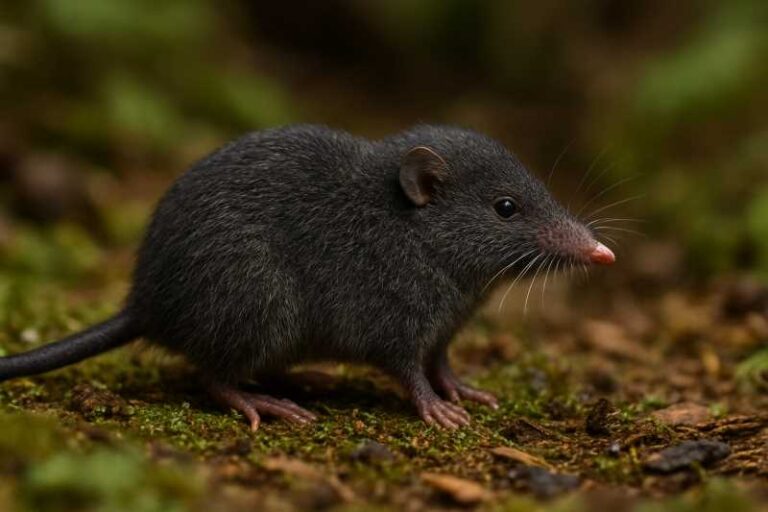
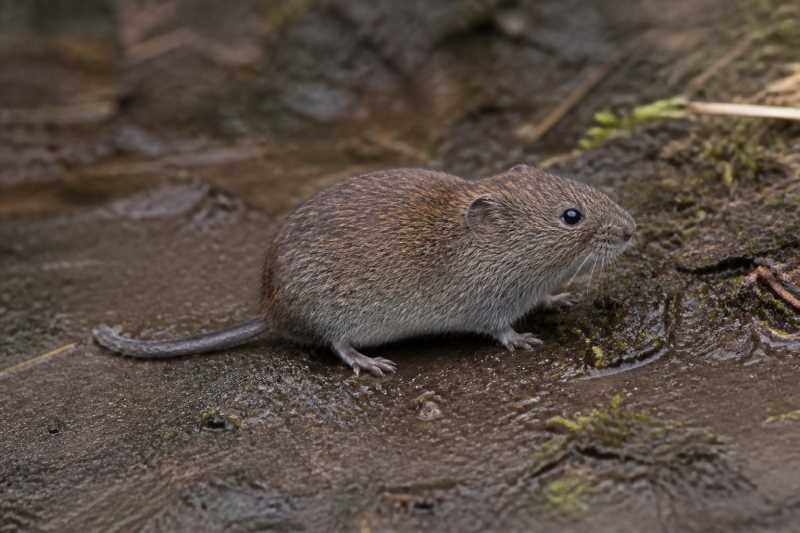
The Zempoaltepec Vole is relatively small, with a typical body length ranging from 14 to 18 centimeters, including its short tail which measures about 4 to 5 centimeters. This vole species is characterized by a robust body, small rounded ears that are partially hidden by fur, and a blunt snout. Its fur is dense and soft, varying in color from dark brown to gray, which provides excellent camouflage against the forest floor and rocky substrates.
One distinctive feature of the Zempoaltepec Vole is its comparatively large hind feet, which aid in navigating its rugged mountainous habitat. Additionally, the vole has sharp incisors that are continuously growing, a common trait among rodents, which it uses for gnawing on a variety of plant materials.
Range and Habitat
The Zempoaltepec Vole is endemic to the high-altitude regions of the Sierra Madre de Oaxaca, specifically around Cerro Zempoaltepec. This area is characterized by temperate cloud forests and pine-oak woodlands, which provide the necessary cover and food resources for the vole.
These voles are adapted to live in cool, moist environments and are often found in areas with dense underbrush and ample ground cover. Their preference for high-altitude habitats makes them particularly vulnerable to changes in climate and habitat destruction.
Behavior and Diet
Zempoaltepec Voles are primarily herbivorous, feeding on a variety of grasses, seeds, and plant stems. They have been observed to occasionally consume insects, which supplements their diet. Their feeding habits play a crucial role in the ecosystem, as they help in seed dispersal and soil aeration.
These voles are generally solitary and display territorial behavior, particularly in males. They are known for their burrowing activities, creating intricate tunnel systems that provide shelter and protection from predators. Due to their elusive nature and the dense habitats they occupy, little is known about their breeding behaviors, though it is believed they reproduce year-round with peaks in breeding activity during the wet season.
Identification Tips (Field Recognition Cues)
Identifying the Zempoaltepec Vole in the field can be challenging due to its elusive nature and the dense habitats it occupies. However, there are several cues that can aid in its identification:
- Location: Observations should be focused on high-altitude areas in the Sierra Madre de Oaxaca, particularly around Cerro Zempoaltepec.
- Physical Appearance: Look for a small mammal with dense dark brown or gray fur, a short tail, and round ears.
- Behavioral Signs: Evidence of burrowing or small tunnels in the ground may indicate the presence of voles. Look for signs of gnawing on plant stems and seeds.
- Sound: While generally quiet, voles may produce high-pitched squeaks during interactions or when alarmed.
Conservation Status (with Threats and Protections)
The Zempoaltepec Vole is currently listed as Vulnerable on the IUCN Red List. Its limited range makes it particularly susceptible to habitat destruction and fragmentation. Deforestation for agriculture and logging activities pose significant threats to its habitat.
Climate change also presents a looming threat, as shifts in temperature and precipitation patterns could further reduce suitable habitats. Conservation efforts are focused on habitat protection and restoration, as well as further research to better understand the species’ ecology and population dynamics.
Protected areas within the Sierra Madre de Oaxaca provide some refuge, but increased conservation measures and awareness are critical to ensuring the survival of this unique species.
Frequently Asked Questions
What is the habitat of the Zempoaltepec Vole?
The Zempoaltepec Vole is found in high-altitude cloud forests and pine-oak woodlands in the Sierra Madre de Oaxaca, Mexico. These environments provide the cool, moist conditions and dense vegetation that the vole requires.
How can you identify a Zempoaltepec Vole?
Identification of the Zempoaltepec Vole involves looking for a small mammal with dense dark brown or gray fur, a short tail, and rounded ears. They are typically found at high altitudes in the Sierra Madre de Oaxaca.
Are Zempoaltepec Voles endangered?
Zempoaltepec Voles are classified as Vulnerable due to their limited range and the ongoing threats of habitat destruction and climate change. Conservation efforts are in place to protect their habitat and support their populations.
What do Zempoaltepec Voles eat?
Zempoaltepec Voles primarily eat grasses, seeds, and plant stems. They may also consume insects as a supplementary food source.
Why is the Zempoaltepec Vole important?
Zempoaltepec Voles play a vital role in their ecosystem by aiding in seed dispersal and soil aeration, contributing to the health and diversity of their habitat.
Related posts