Forrest’s Mountain Vole (Neodon forresti): An In-Depth Exploration
Introduction
Forrest’s Mountain Vole, scientifically known as Neodon forresti, is a fascinating small mammal species that plays a critical role in its ecosystem. This elusive species is part of the family Cricetidae and is predominantly found in the high-altitude regions of Asia. Despite its inconspicuous presence, Forrest’s Mountain Vole is an essential component of the ecological balance within its habitat, contributing to soil aeration and serving as prey for a variety of predators. Understanding the behavior, habitat, and conservation status of Neodon forresti is vital for the preservation of biodiversity in its natural environment.
Physical Description
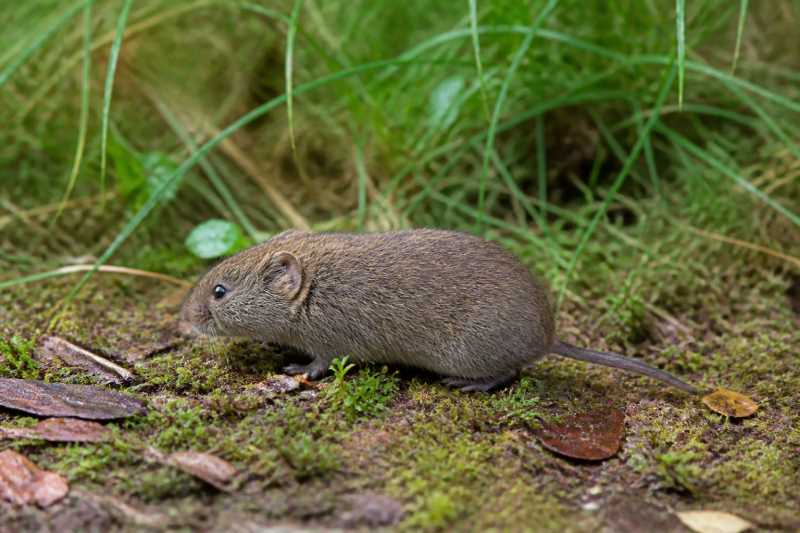
Forrest’s Mountain Vole is a small rodent characterized by its compact body, short limbs, and a relatively short tail. The vole’s fur is dense and soft, typically displaying a greyish-brown color that provides excellent camouflage against the rocky, mountainous terrain it inhabits. Adult voles typically weigh between 30 to 50 grams, with body lengths ranging from 10 to 12 centimeters, excluding the tail.
The head of Neodon forresti is rounded, with small, beady eyes adapted for low-light conditions. Its ears are small and often hidden within the fur, reducing heat loss and aiding in temperature regulation in its cold habitat. The vole’s incisors are sharp and continuously growing, an adaptation that aids in gnawing through tough vegetation and roots.
Range and Habitat
Forrest’s Mountain Vole is primarily distributed across the mountainous regions of China and neighboring areas in Tibet and Myanmar. These voles are typically found at elevations ranging from 2,500 to 5,000 meters above sea level. Their preferred habitat includes alpine meadows, rocky outcrops, and subalpine shrublands.
The harsh conditions of these high-altitude environments require Neodon forresti to be highly adaptable. The voles are well-suited to survive in areas with significant temperature fluctuations and limited vegetation. Their burrowing lifestyle not only provides shelter from predators but also aids in thermoregulation and food storage.
Behavior and Diet
Forrest’s Mountain Vole is primarily crepuscular, being most active during the early morning and late afternoon. This behavior minimizes exposure to predators and extreme midday temperatures. The voles are social creatures, often forming small colonies that communicate through a range of vocalizations and scent markings.
The diet of Neodon forresti is predominantly herbivorous, consisting of grasses, seeds, roots, and other plant materials. In the harsher winter months, when food is scarce, they may resort to feeding on bark and twigs. Their foraging activities contribute significantly to seed dispersal and soil aeration in their habitats.
Identification Tips (Field Recognition Cues)
Identifying Forrest’s Mountain Vole in the field requires careful attention to specific characteristics:
- Size and Shape: Look for a small, compact body with a short tail, typical of voles.
- Fur Coloration: Note the greyish-brown fur, which blends seamlessly with the rocky and earthy landscape.
- Habitat: Confirm the presence of the vole in high-altitude regions with alpine and subalpine vegetation.
- Behavior: Observe crepuscular foraging activity and burrowing behavior.
- Vocalizations: Listen for the soft, high-pitched sounds used for communication within colonies.
Conservation Status (with Threats and Protections)
The conservation status of Forrest’s Mountain Vole is currently classified as Least Concern by the International Union for Conservation of Nature (IUCN). However, this does not imply that the species is free from threats. Habitat degradation due to climate change, human encroachment, and livestock grazing poses significant risks to the vole’s natural habitat.
Efforts to protect Neodon forresti include the establishment of protected areas and conservation programs aimed at preserving alpine ecosystems. Continued research and monitoring are crucial to understanding the impacts of environmental changes on their populations and to develop effective conservation strategies.
Frequently Asked Questions
- What adaptations help Forrest’s Mountain Vole survive in high altitudes?
Forrest’s Mountain Vole has several adaptations for high-altitude survival, including dense fur for insulation, burrowing behaviors for shelter, and a herbivorous diet that maximizes available resources.
- Are Forrest’s Mountain Voles social animals?
Yes, they are social creatures that often form colonies, communicating through vocalizations and scent marking to maintain social bonds and territory.
- How does climate change affect Forrest’s Mountain Vole?
Climate change can lead to habitat loss and alterations in vegetation patterns, impacting food availability and increasing competition with other species.
- What role does Forrest’s Mountain Vole play in its ecosystem?
The vole contributes to seed dispersal, soil aeration, and serves as prey for various predators, maintaining ecological balance.
- How can we help conserve Forrest’s Mountain Vole?
Supporting conservation efforts, protecting habitats, and raising awareness about the species are key to its preservation.
Related posts