Introduction
The Wanglang Jumping Mouse, scientifically known as Eozapus wanglangensis, is a fascinating and relatively lesser-known rodent species. These small mammals belong to the family Dipodidae, known for their remarkable jumping abilities. Discovered in the Wanglang Nature Reserve in China, this species has garnered scientific interest due to its unique adaptations and ecological importance. This article delves into the various aspects of the Wanglang Jumping Mouse, including its physical attributes, habitat, behavior, and conservation status.
Physical Description
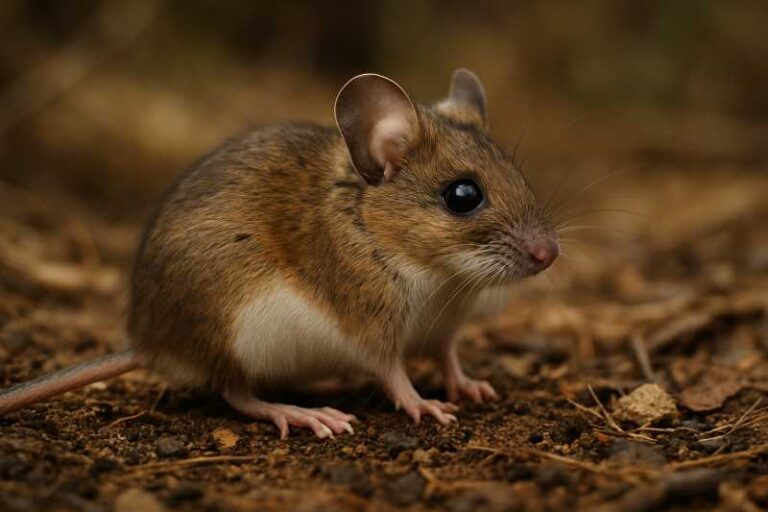
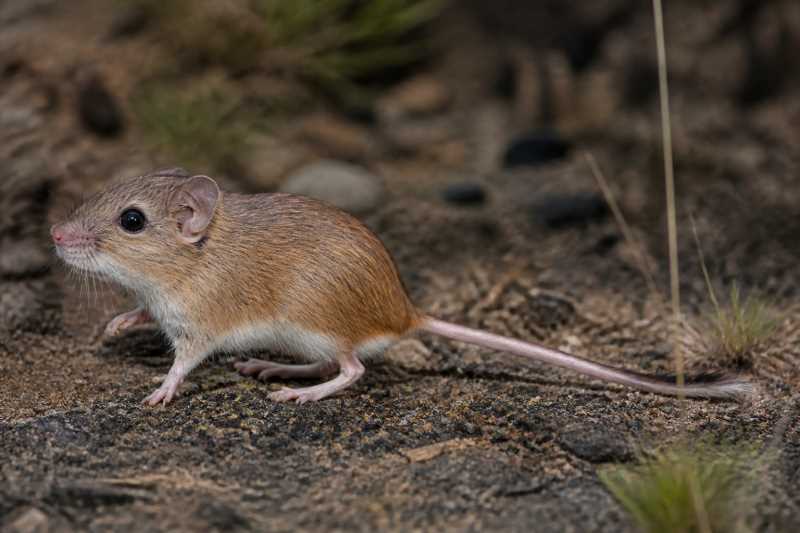
The Wanglang Jumping Mouse is characterized by its small size and distinctive physical features that aid in its jumping prowess. Typically, these mice measure between 15 to 20 centimeters in total length, including their long, slender tails, which can be nearly twice the length of their body. The tail aids in balance and maneuverability during their characteristic leaps.
Their fur is generally a soft, mottled brown, providing effective camouflage against the forest floor and underbrush. The hind legs are notably elongated in comparison to the forelimbs, a common trait among jumping mice, allowing them to execute impressive jumps. Their large, round eyes and prominent whiskers enhance their sensory perception, crucial for nocturnal navigation and foraging.
Range and Habitat
Originally discovered in the Wanglang Nature Reserve, located in the Sichuan Province of China, the Wanglang Jumping Mouse occupies a specific ecological niche. This region is characterized by a temperate forest ecosystem with rich biodiversity. The mice are typically found in dense underbrush and forested areas, where they can exploit the abundant ground cover for shelter and foraging.
The habitat within the Wanglang Nature Reserve provides a mix of deciduous and coniferous trees, along with a rich understory of shrubs and herbs. This environment supports a diverse range of plant and animal life, making it an ideal habitat for the Wanglang Jumping Mouse. The availability of food resources and natural cover are critical for their survival and reproduction.
Behavior and Diet
The Wanglang Jumping Mouse is primarily nocturnal, spending the daylight hours in burrows or hidden among dense vegetation. Their nocturnal lifestyle helps them avoid predators while taking advantage of the cooler nighttime temperatures. These mice exhibit solitary behavior, though they may occasionally interact during the breeding season.
Their diet consists mainly of seeds, fruits, and insects, which they forage from the forest floor. The Wanglang Jumping Mouse is an opportunistic feeder, adapting its diet based on seasonal availability. Their foraging behavior is aided by their strong hind legs, which allow them to cover large areas in search of food. The ability to leap great distances is not only useful for foraging but also serves as a means of escaping predators.
Identification Tips (Field Recognition Cues)
Identifying the Wanglang Jumping Mouse in the wild requires keen observation skills due to its elusive nature. Here are some tips to help recognize this species:
- Size and Shape: Look for a small rodent with a body length of about 7 to 10 centimeters and a tail nearly twice that length.
- Coloration: Notice the soft, mottled brown fur that blends well with the forest floor.
- Movement: Observe for distinctive jumping behavior, with the mouse using its elongated hind legs to leap significant distances.
- Habitat: Focus on dense underbrush and forest edges within the Wanglang Nature Reserve, where these mice are most commonly found.
Conservation Status (With Threats and Protections)
The conservation status of the Wanglang Jumping Mouse is currently not well-documented, primarily due to its recent discovery and limited research. However, like many species with restricted ranges, it could be vulnerable to habitat disturbances and environmental changes.
Threats
- Habitat Loss: Deforestation and land development pose significant threats to their natural habitat.
- Climate Change: Shifts in climate patterns could affect the forest ecosystem, altering food availability and habitat conditions.
Protections
- Protected Areas: The Wanglang Nature Reserve provides a level of protection for the species by preserving its natural habitat.
- Research and Monitoring: Continued scientific research and monitoring are essential to understand the species’ needs and inform conservation efforts.
Frequently Asked Questions
Why is this species unique?
The Wanglang Jumping Mouse is unique due to its specialized adaptations for jumping and its restricted range within the Wanglang Nature Reserve. Its elusive nature and nocturnal habits make it a rare sight even within its known habitat.
What do Wanglang Jumping Mice eat?
These mice have a varied diet consisting of seeds, fruits, and insects. Their diet is opportunistic, changing with seasonal availability, which allows them to adapt to different environmental conditions.
How can I help with the conservation of this species?
Supporting conservation efforts and research initiatives focused on the Wanglang Nature Reserve can contribute to the species’ protection. Raising awareness about the importance of preserving biodiversity in forest ecosystems is also crucial.
Are there any similar species to the Wanglang Jumping Mouse?
While the Wanglang Jumping Mouse is unique to its region, it shares some similarities with other jumping mice within the Dipodidae family. These species are generally characterized by their long hind legs and tail, aiding in their jumping ability.
Related posts