Introduction
The Ningxia Three-toed Jerboa, scientifically known as Chimaerodipus auritus, is a fascinating and elusive rodent species native to the arid regions of China. This small mammal is noted for its unique adaptations that allow it to thrive in harsh desert environments. Known for its distinctive three-toed hind feet, this jerboa has captured the interest of biologists and conservationists alike. In this article, we will explore the physical characteristics, habitat, behavior, and conservation status of the Ningxia Three-toed Jerboa as well as provide helpful tips for identifying this peculiar species in the wild.
Physical Description
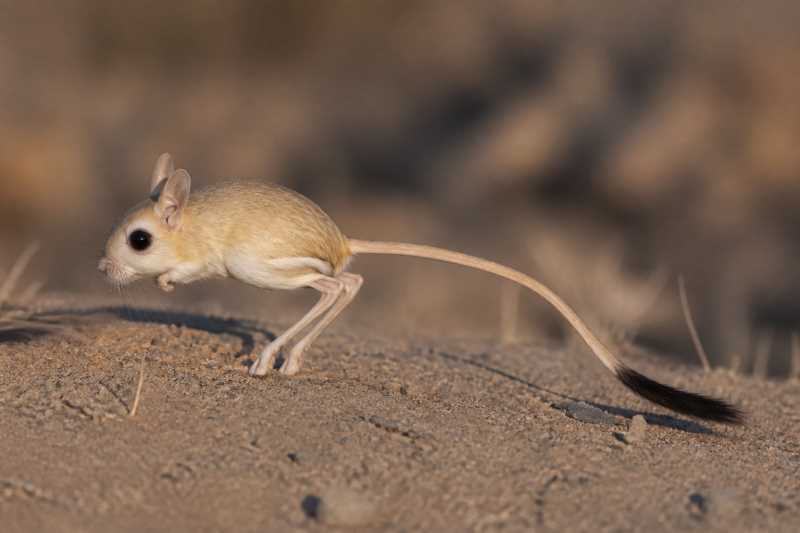
The Ningxia Three-toed Jerboa is a small rodent, typically measuring between 9 and 12 centimeters in body length, with a tail extending an additional 15 to 20 centimeters. Its most distinguishing feature is its hind feet, which have three toes, an adaptation that aids in its bipedal locomotion. This jerboa possesses long ears, which contribute to its excellent hearing, a crucial sense for detecting predators in its environment.
The fur of the Ningxia Three-toed Jerboa is soft and dense, serving as protection against temperature extremes. Its coloration is generally a sandy brown on the dorsal side, providing camouflage against the desert landscape, while the ventral side is lighter, often white or pale gray. This counter-shading is a common adaptation among desert-dwelling animals.
Range and Habitat
The Ningxia Three-toed Jerboa is primarily found in the arid and semi-arid regions of north-central China, particularly within the Ningxia Hui Autonomous Region, from which it derives its name. Its habitat includes sandy and stony deserts, as well as semi-desert steppe areas.
These jerboas are adept at living in environments with sparse vegetation. They construct burrows in sandy soils, which provide shelter from extreme temperatures and protection from predators. Their burrows are often located near sparse vegetation, which offers both camouflage and a nearby food source.
Behavior and Diet
The Ningxia Three-toed Jerboa is nocturnal, spending the day sheltered within its burrow and emerging at night to forage. Its diet is primarily herbivorous, consisting of seeds, leaves, and other plant materials. However, it may occasionally consume insects, making it an opportunistic feeder.
Its bipedal hopping locomotion, similar to that of a kangaroo, is a distinctive behavioral trait. This mode of movement is energy-efficient and allows the jerboa to cover large distances in search of food while evading predators. The jerboa’s long tail acts as a counterbalance during these jumps, aiding in agility and stability.
Identification Tips (Field Recognition Cues)
Identifying the Ningxia Three-toed Jerboa in the field can be challenging due to its elusive nature and nocturnal habits. However, there are several key characteristics to look for:
- Hind Feet: Look for the unique three-toed hind feet, a distinguishing feature of this species.
- Size and Shape: Note the small body size, long tail, and large ears, which are typical of jerboas.
- Movement: Observe the bipedal hopping locomotion, which is distinctive among small mammals in the region.
- Coloration: The sandy brown dorsal fur and lighter ventral fur provide effective camouflage in desert habitats.
Conservation Status (with Threats and Protections)
The Ningxia Three-toed Jerboa is currently listed as a species of "Least Concern" by the International Union for Conservation of Nature (IUCN). However, its populations face several threats that could impact its status in the future.
Threats:
- Habitat Destruction: Expansion of agriculture and urbanization in the Ningxia region threatens the natural habitats of the jerboa.
- Climate Change: Changes in climate patterns may alter desert ecosystems, impacting the availability of food and suitable habitats.
- Predation: Increased predation from domestic animals such as cats and dogs poses a risk to local populations.
Protections:
- Protected Areas: Some of the jerboa’s habitats fall within protected areas, which helps mitigate the impact of human activities.
- Research and Monitoring: Ongoing research and monitoring efforts help track population trends and inform conservation strategies.
Frequently Asked Questions
What are the key adaptations of the Ningxia Three-toed Jerboa?
The Ningxia Three-toed Jerboa has several adaptations for desert living, including three-toed hind feet for efficient movement, long ears for enhanced hearing, and a coloration that provides camouflage in its sandy habitat.
Where can I find the Ningxia Three-toed Jerboa in the wild?
This species is primarily found in the arid regions of north-central China, especially within the Ningxia Hui Autonomous Region. They inhabit sandy and stony deserts and semi-desert steppes.
What does the Ningxia Three-toed Jerboa eat?
The jerboa’s diet is mainly herbivorous, consisting of seeds and plant material, though it may occasionally consume insects.
How does the Ningxia Three-toed Jerboa avoid predators?
The jerboa uses its exceptional hearing and bipedal hopping to detect and evade predators. Its burrows also provide a safe retreat from threats.
What conservation efforts are in place for the Ningxia Three-toed Jerboa?
Conservation efforts include habitat protection through designated areas and ongoing research to monitor populations and inform future conservation strategies.
Related posts