Introduction
The Southern Mulgara (Dasycercus archeri) is a fascinating marsupial native to Australia, and it plays a crucial role in its ecosystem. This elusive creature is often overshadowed by its more famous marsupial relatives, yet it possesses unique characteristics that make it worthy of attention. In this article, we will delve into the various aspects of the Southern Mulgara, from its physical characteristics to its behavior, habitat, and conservation status.
Physical Description
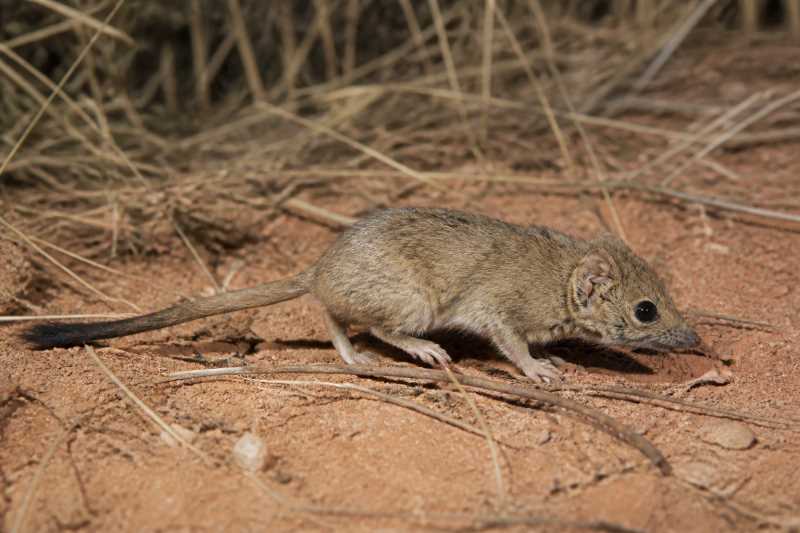
The Southern Mulgara is a small, robust marsupial measuring around 12 to 17 centimeters in head and body length, with a tail length of approximately 7 to 12 centimeters. The species typically weighs between 60 to 120 grams. Its fur is soft and dense, primarily sandy or reddish-brown on the back, with a paler or whitish underside. One of the most distinctive features of the Southern Mulgara is its tail, which is thick at the base and tapers towards the end, often exhibiting a slight crest of black hairs.
This marsupial has a compact body with strong limbs, adapted for digging and navigating the arid environments it inhabits. The Southern Mulgara possesses sharp, pointed teeth, which are well-suited for its carnivorous diet.
Range and Habitat
The Southern Mulgara is primarily found in the arid and semi-arid regions of central and western Australia. Its range includes parts of Western Australia, South Australia, and the Northern Territory. These areas are characterized by sandy deserts, spinifex grasslands, and shrublands, where the Mulgara can find ample shelter and food sources.
The species prefers habitats with loose, sandy soil, which is ideal for burrowing. Mulgaras are known to dig extensive burrow systems that provide refuge from predators and extreme temperatures. These burrows are typically located in areas with dense vegetation or spinifex cover, offering additional protection and camouflage.
Behavior and Diet
The Southern Mulgara is a nocturnal and solitary animal, primarily active during the cooler night hours. This behavior helps it avoid the intense heat of the day in its arid habitat. During the day, Mulgaras retreat to their burrows, which maintain a more stable temperature compared to the surface.
As an opportunistic carnivore, the Southern Mulgara’s diet consists mainly of insects, small vertebrates, and occasionally plant material. Its hunting strategy involves using its keen sense of smell and hearing to locate prey. The Mulgara is known for its ability to consume prey items larger than itself, thanks to its strong jaws and sharp teeth.
Identification Tips (Field Recognition Cues)
Recognizing the Southern Mulgara in the field can be challenging due to its elusive nature and nocturnal habits. However, there are several key features and behaviors that can aid in identification:
- Tail Shape: Look for the distinctive tail with a thick base and a tapering end, often with a crest of black hairs.
- Fur Color: Note the sandy or reddish-brown fur on the back, contrasting with the paler underbelly.
- Burrow Systems: Search for burrow entrances in sandy soils, often near spinifex or dense vegetation.
- Activity Timing: Mulgaras are most active at night, so early morning or evening surveys may increase the likelihood of sightings.
Conservation Status (with Threats and Protections)
The Southern Mulgara is currently listed as Near Threatened on the IUCN Red List. The primary threats to its survival include habitat loss, predation by introduced species such as cats and foxes, and environmental changes due to climate change.
Conservation efforts for the Southern Mulgara include habitat protection and restoration, as well as predator control programs. Protected areas and national parks within its range provide critical refuges for the species. Additionally, ongoing research and monitoring efforts aim to better understand the ecology and needs of the Southern Mulgara to inform conservation strategies.
Frequently Asked Questions
1. What is the best time to observe Southern Mulgaras in the wild?
Southern Mulgaras are nocturnal, so the best time to observe them is during the night or in the early morning and late evening when they are most active.
2. How do Southern Mulgaras adapt to their arid environment?
Southern Mulgaras have adapted to their arid environment by being nocturnal, using burrows to escape extreme temperatures, and relying on their diet of insects and small vertebrates, which provide necessary moisture.
3. Are Southern Mulgaras endangered?
While not currently endangered, the Southern Mulgara is listed as Near Threatened due to habitat loss, predation by introduced species, and climate change impacts.
4. What are the main predators of the Southern Mulgara?
The main predators of the Southern Mulgara include introduced species such as domestic cats and foxes, which pose a significant threat to their populations.
5. What conservation measures are in place for the Southern Mulgara?
Conservation measures for the Southern Mulgara include habitat protection, predator control programs, and ongoing research to better understand the species’ ecological needs.
Related posts