Introduction
The Durango Coarse-haired Pocket Mouse (Chaetodipus durangae) is a fascinating rodent species that belongs to the family Heteromyidae. Known for its distinctive coarse fur and cheek pouches, this small mammal is native to Mexico, specifically the region of Durango. Despite its small size, the Durango Coarse-haired Pocket Mouse plays a significant role in its ecosystem by contributing to seed dispersal and soil aeration. This article delves into the various aspects of this unique species, including its physical characteristics, natural habitat, behavior, and conservation status.
Physical Description
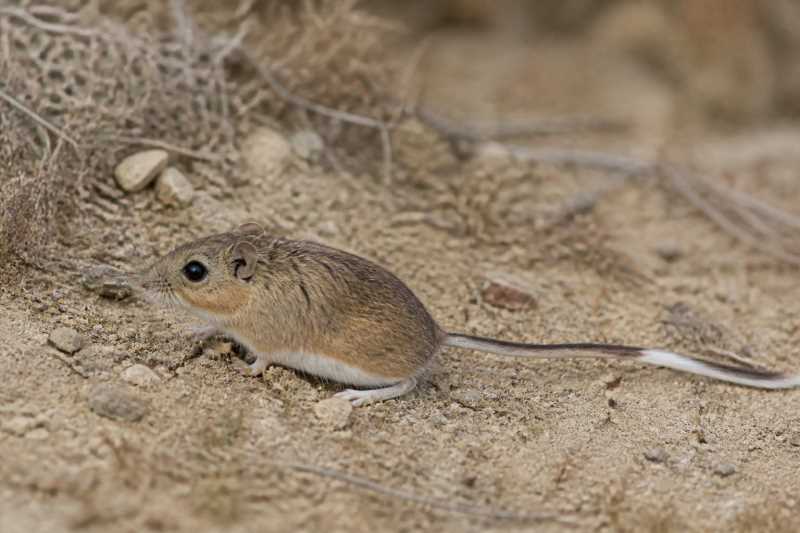
The Durango Coarse-haired Pocket Mouse is a small rodent, with an average body length ranging from 80 to 120 millimeters, not including the tail which adds an additional 70 to 90 millimeters. This species is characterized by its coarse, bristle-like fur, which is typically grayish-brown with lighter underparts. Its hind feet are well-adapted for hopping, a common trait among members of the Heteromyidae family. One of the most notable features of this species is its cheek pouches, which are used for storing and transporting food. The tail is usually bi-colored, with a darker dorsal side and a lighter ventral side, aiding in its balance and agility.
Range and Habitat
The Durango Coarse-haired Pocket Mouse is predominantly found in the state of Durango, Mexico. It inhabits arid and semi-arid environments, often preferring regions with sandy soils that facilitate its burrowing lifestyle. These mice are typically found in desert scrublands, grasslands, and occasionally in agricultural areas where they can find ample food resources. Their burrows are often located near shrubs or other vegetation which provide cover from predators and extreme weather conditions.
Behavior and Diet
This nocturnal rodent is primarily active during the night, when it forages for food. The Durango Coarse-haired Pocket Mouse feeds mainly on seeds, grains, and occasionally insects, making it an important seed disperser in its habitat. Its cheek pouches allow it to gather large quantities of food, which it can transport back to its burrow for later consumption. The species is known for its solitary nature, with individuals typically occupying separate burrows.
During the day, the Durango Coarse-haired Pocket Mouse remains in its burrow to avoid the heat. The burrow not only provides protection from predators but also serves as a storage site for food. This rodent is well-adapted to survive in harsh conditions, often relying on metabolic water from food rather than direct water sources.
Identification Tips (Field Recognition Cues)
Identifying the Durango Coarse-haired Pocket Mouse in the field can be accomplished by noting several key characteristics:
- Size and Shape: Look for a small rodent with a body length of 80 to 120 millimeters, excluding the tail.
- Fur Texture: The fur is coarse and bristly, distinguishing it from other smoother-furred rodents.
- Coloration: Grayish-brown fur with lighter underparts and a bi-colored tail.
- Cheek Pouches: Visible when the mouse is transporting food.
- Behavior: Primarily nocturnal and solitary; look for activity during night hours.
Conservation Status (With Threats and Protections)
As of the latest assessments, the Durango Coarse-haired Pocket Mouse is not listed as endangered or threatened. However, like many species, it faces potential threats from habitat loss due to agricultural expansion and urban development. Additionally, climate change poses a risk to its arid habitat, potentially altering the availability of food resources and suitable living conditions.
Conservation efforts for this species are primarily focused on preserving its natural habitat. Protected areas within its range help mitigate the impact of human activities. Further research into the species’ ecology and population dynamics is necessary to ensure long-term conservation strategies are effective.
Frequently Asked Questions
Why is this species unique?
The Durango Coarse-haired Pocket Mouse is unique due to its specialized adaptations, such as its coarse fur, cheek pouches for food storage, and ability to thrive in arid environments. These adaptations enable it to play a crucial role in its ecosystem as a seed disperser and aerator of the soil.
How does the Durango Coarse-haired Pocket Mouse contribute to its ecosystem?
This species contributes to its ecosystem by dispersing seeds through its foraging activities, which aids in plant regeneration. Additionally, its burrowing behavior helps aerate the soil, promoting nutrient cycling and enhancing soil health.
What threats does the Durango Coarse-haired Pocket Mouse face?
The primary threats to this species include habitat loss due to agricultural and urban development, as well as climate change, which may alter its habitat and food availability. Conservation efforts are focused on habitat preservation to combat these threats.
How can I identify the Durango Coarse-haired Pocket Mouse in the wild?
To identify this species, look for a small rodent with coarse, grayish-brown fur, lighter underparts, and a bi-colored tail. Notable features include cheek pouches and nocturnal activity patterns.
Are there any conservation measures in place for this species?
Yes, conservation measures include habitat preservation through protected areas and ongoing research to understand the species’ ecology better. These efforts aim to mitigate the impacts of habitat loss and environmental changes.
Related posts