Introduction
The Narrow-skulled Pocket Mouse, scientifically known as Chaetodipus artus, is a small but fascinating member of the rodent family. Found primarily in the southwestern United States and northern Mexico, this species is a part of the Heteromyidae family, which includes other pocket mice, kangaroo rats, and kangaroo mice. The Narrow-skulled Pocket Mouse is particularly interesting due to its specialized adaptations that allow it to thrive in arid environments. This article will delve into the various aspects of this species, including its physical characteristics, habitat, behavior, diet, and conservation status.
Physical Description
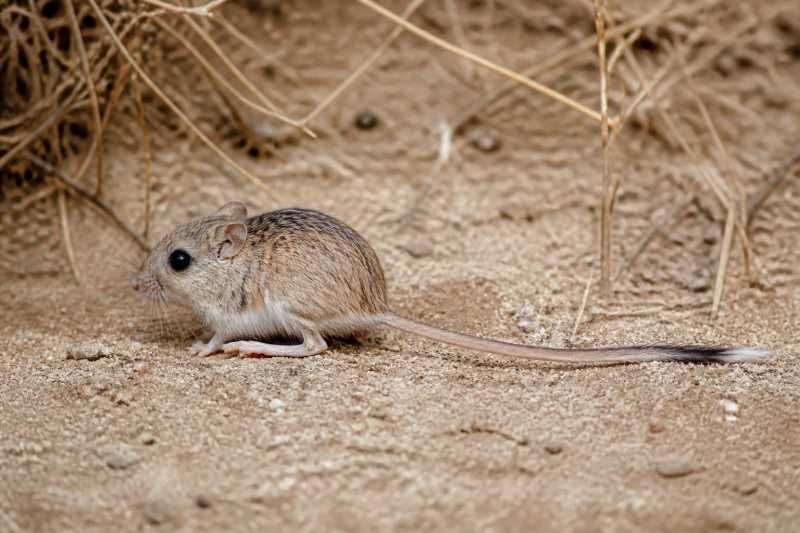
The Narrow-skulled Pocket Mouse is aptly named for its distinct cranial structure, which is narrower compared to other pocket mouse species. Adult mice typically weigh between 10 to 20 grams and measure about 160 to 180 millimeters in total length, including the tail. The fur of Chaetodipus artus is usually a blend of sandy and gray tones, providing excellent camouflage in its natural habitat. The ventral side is lighter, often white or cream-colored.
One of the most distinctive features of the Narrow-skulled Pocket Mouse is its cheek pouches. These external, fur-lined pockets are used to carry food, a trait common among pocket mice. Their hind legs are relatively longer than their forelegs, which aids in their bipedal hopping movement, similar to kangaroos.
Range and Habitat
The Narrow-skulled Pocket Mouse is predominantly found in the desert regions of the southwestern United States, including southern Arizona, New Mexico, and parts of Texas. Its range extends into northern Mexico, where it inhabits similar arid environments.
These mice prefer sandy or gravelly soils often found in desert scrub and grassland habitats. They are well-adapted to living in areas with sparse vegetation, where they can burrow to escape the extreme temperatures of their environment. Their burrows are usually shallow and serve as protection against predators and a place for storing food.
Behavior and Diet
Nocturnal by nature, the Narrow-skulled Pocket Mouse is most active during the cooler nighttime hours. This behavior helps it conserve water and avoid the intense heat of the desert sun. They are solitary creatures, each maintaining its own territory, which is marked by scent to deter intruders.
The diet of the Narrow-skulled Pocket Mouse mainly consists of seeds, which they collect and store in their burrows. This food hoarding behavior ensures they have a food supply even when resources are scarce. They are also known to consume insects and green vegetation when available, providing them with necessary moisture and nutrients.
Identification Tips (Field Recognition Cues)
Recognizing the Narrow-skulled Pocket Mouse in the wild can be challenging due to its small size and nocturnal habits. However, there are key identification tips that can help:
- Cranial Structure: Look for the distinctively narrow skull, which is a primary characteristic of this species.
- Coloration: Their sandy and gray fur with a lighter underside helps them blend into their desert environment.
- Behavior: They are most active at night, so sightings are more likely during nocturnal field surveys.
- Tracks: Look for small, hopping tracks in sandy areas, which can indicate their presence.
- Burrows: Shallow burrows with entrances often located under shrubs or rocks may belong to these mice.
Conservation Status (with Threats and Protections)
The Narrow-skulled Pocket Mouse is currently listed as a species of Least Concern by the International Union for Conservation of Nature (IUCN). However, like many species, it faces potential threats that could impact its population in the future.
Threats
- Habitat Loss: Urbanization and agricultural expansion are the primary threats, leading to habitat fragmentation and loss.
- Climate Change: Alterations in desert climates can affect food availability and habitat conditions.
- Predation: Natural predators include owls, snakes, and small carnivorous mammals.
Protections
- Conservation Areas: Many regions within its range are protected national parks and reserves, providing safe habitats.
- Research and Monitoring: Ongoing studies help track population trends and develop conservation strategies.
Frequently Asked Questions
What is the primary diet of the Narrow-skulled Pocket Mouse?
The Narrow-skulled Pocket Mouse primarily feeds on seeds, which they collect and store in their burrows. They also consume insects and green vegetation when available.
How does the Narrow-skulled Pocket Mouse adapt to desert environments?
Adaptations include nocturnal activity to avoid daytime heat, efficient water usage, and burrowing behaviors to escape predators and extreme temperatures.
Where can the Narrow-skulled Pocket Mouse be found?
This species is found in the desert regions of the southwestern United States, including Arizona, New Mexico, and Texas, as well as northern Mexico.
Are Narrow-skulled Pocket Mice endangered?
Currently, the Narrow-skulled Pocket Mouse is classified as Least Concern, but it faces threats such as habitat loss and climate change.
How can you identify a Narrow-skulled Pocket Mouse in the field?
Key identification features include its narrow skull, sandy-gray coloration, nocturnal activity, and the presence of small hopping tracks and shallow burrows.
Related posts