Sanford’s Sea Eagle: The Majestic Sentinel of the Solomons
The Solomon Islands are home to an array of unique wildlife, none more captivating than Sanford’s Sea Eagle (Icthyophaga sanfordi). This magnificent bird of prey, with its unique adaptations and profound ecological significance, stands as a powerful symbol of the islands’ natural heritage. As it soars above the azure waters and lush rainforests, Sanford’s Sea Eagle commands attention not only for its beauty but also for its critical role in the ecosystem.
Physical Characteristics and Behavior
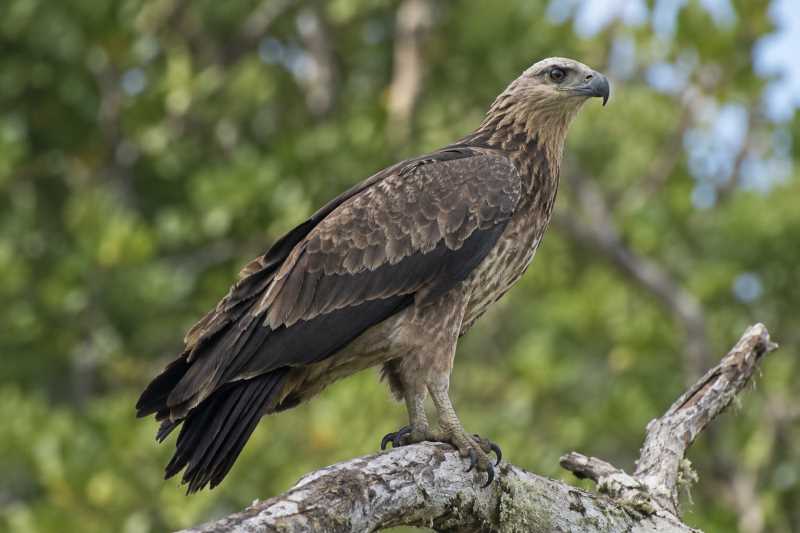
Sanford’s Sea Eagle is a striking bird, characterized by its large size and distinctive plumage. Adult eagles boast a dark brown body, contrasted by a striking white head and tail, akin to the bald eagle of North America. Their wingspan can reach up to 2 meters, allowing these birds to glide effortlessly across the sky.
Unlike many other raptors, Sanford’s Sea Eagle is highly adapted to its island environment. Its strong talons and sharp beak are designed for catching fish, its primary diet. However, these eagles are opportunistic feeders and will also prey on other birds, small mammals, and carrion. This adaptability is essential for survival in the varying habitats of the Solomon Islands.
Behaviorally, Sanford’s Sea Eagles are known for their solitary nature. They are territorial birds that often mate for life, establishing and defending their nesting sites with vigor. Nests are typically constructed high in trees or on cliff edges, providing a strategic vantage point to monitor their surroundings.
Habitat and Distribution
Sanford’s Sea Eagle is endemic to the Solomon Islands, where it inhabits coastal forests and mangroves. Its range is limited to this archipelago, making its conservation status particularly precarious. The islands’ rich biodiversity provides ample hunting grounds, but habitat destruction and human encroachment pose significant threats.
The eagle’s preference for undisturbed habitats means that deforestation and land conversion for agriculture can severely impact its population. Additionally, the introduction of non-native species and pollution further exacerbate the challenges faced by this regal bird.
Conservation Status and Challenges
Classified as "Vulnerable" by the International Union for Conservation of Nature (IUCN), Sanford’s Sea Eagle faces a high risk of extinction in the wild. The primary threats to its survival include habitat loss, hunting, and environmental changes. The ongoing deforestation in the Solomon Islands is particularly concerning, as it reduces the availability of suitable nesting sites and hunting grounds.
Efforts to conserve this species are complicated by the limited awareness and resources available in the region. However, local and international conservation groups are working to address these challenges. Initiatives include habitat restoration, community engagement, and legal protection of critical habitats. Educating local communities about the ecological importance of Sanford’s Sea Eagle is crucial for fostering a culture of conservation and sustainable coexistence.
The Ecological Role of Sanford’s Sea Eagle
As an apex predator, Sanford’s Sea Eagle plays a vital role in maintaining the balance of its ecosystem. By preying on fish and other small animals, it helps regulate populations and ensure the health of the food web. This regulatory role is essential for preventing the overpopulation of certain species, which could lead to imbalances and degradation of the habitat.
Moreover, the eagle’s presence is an indicator of ecological health. A thriving population of Sanford’s Sea Eagles suggests a well-functioning ecosystem with abundant food resources and minimal human disturbance. Therefore, protecting this species is intrinsically linked to preserving the broader environmental integrity of the Solomon Islands.
The Cultural Significance
Beyond its ecological importance, Sanford’s Sea Eagle holds cultural value for the people of the Solomon Islands. It is often featured in local folklore and traditional art, symbolizing strength, freedom, and resilience. This cultural reverence can be harnessed to support conservation efforts, as communities are more likely to protect a species that they hold in high regard.
The eagle’s image is also used in conservation campaigns, serving as a charismatic ambassador for broader environmental initiatives. By highlighting the eagle’s plight, conservationists hope to galvanize support for actions that benefit the entire ecosystem.
Conclusion
Sanford’s Sea Eagle is more than just a bird; it is a symbol of the Solomon Islands’ natural beauty and ecological complexity. Protecting this majestic species requires a concerted effort to address the multifaceted challenges it faces. Through habitat preservation, community education, and international collaboration, there is hope that Sanford’s Sea Eagle will continue to soar over the Solomon Islands for generations to come.
In recognizing the interconnectedness of cultural and ecological values, conservationists can foster a deeper appreciation for Sanford’s Sea Eagle and other endemic species. As stewards of our planet’s biodiversity, it is our responsibility to ensure that such remarkable creatures endure in their natural habitats.
Related posts