Townsend’s Pocket Gopher (Megascapheus townsendii): An In-Depth Look
Introduction
Townsend’s Pocket Gopher, scientifically known as Megascapheus townsendii, is a fascinating mammal species that plays a crucial role in its ecosystem. These small, burrowing rodents are named after the American naturalist John Kirk Townsend, who was instrumental in documenting various North American wildlife species during the 19th century. Townsend’s Pocket Gopher is a member of the family Geomyidae, which encompasses several species of pocket gophers found throughout North and Central America.
This article aims to provide an extensive overview of Townsend’s Pocket Gopher, covering its physical description, habitat, behavior, diet, and conservation status. We will also offer identification tips for those interested in spotting these elusive creatures in the wild and address some frequently asked questions about this unique species.
Physical Description
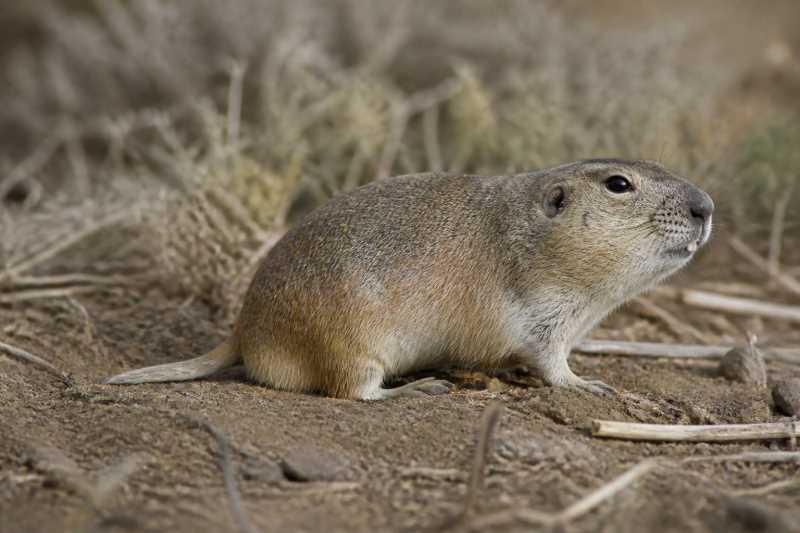
Townsend’s Pocket Gopher is a medium-sized rodent, with adults typically measuring between 6 to 10 inches in length, including their short tails which are about 2 to 3 inches long. They weigh approximately 6 to 12 ounces, making them relatively small but robust creatures.
Their fur is dense and velvety, primarily brown or grayish-brown, which provides excellent camouflage in their natural habitat. The fur’s coloration can vary slightly depending on the soil type in their environment. One of the most distinctive features of Townsend’s Pocket Gopher is its large, clawed forelimbs, which are highly adapted for digging. These powerful claws enable the gopher to efficiently excavate tunnels and create extensive burrow systems.
The gopher’s head is broad, with small eyes and ears that are adapted to a subterranean lifestyle. One of the most remarkable features of this species is its fur-lined cheek pouches, or "pockets," which are used for transporting food and nesting materials. These pouches open externally, allowing the gopher to carry large amounts of material without exposing it to the elements.
Range and Habitat
Townsend’s Pocket Gopher is primarily found in the western United States, with its range extending from southern Oregon through California and into Nevada. They prefer habitats with loose, sandy, or loamy soils that are easy to dig through, such as grasslands, agricultural fields, and open woodlands.
This species is highly adaptable and can thrive in both natural and human-altered environments. However, they are most commonly associated with areas that have adequate vegetation cover, which provides both food and protection from predators. Their burrow systems can be extensive, often measuring several hundred feet in length and incorporating multiple chambers for nesting, food storage, and waste disposal.
Behavior and Diet
Townsend’s Pocket Gopher is primarily solitary, with individuals maintaining separate burrow systems. They are territorial animals, often engaging in aggressive behavior to defend their burrows from intruders. These gophers are mostly active underground, but they occasionally venture above ground, usually at night, to forage for food.
Their diet consists mainly of plant materials, including roots, tubers, and grasses. They are known to feed on a variety of species, which can sometimes bring them into conflict with farmers and gardeners. Despite this, they play a vital role in soil aeration and nutrient distribution through their burrowing activities.
Identification Tips (Field Recognition Cues)
Identifying Townsend’s Pocket Gopher in the field can be challenging due to their subterranean lifestyle. However, there are several cues that can help:
- Burrow Entrances: Look for fresh mounds of soil that have a distinct crescent or horseshoe shape. These mounds are created as the gopher excavates its tunnels.
- Vegetation Damage: Check for signs of wilting or missing plants, particularly in gardens or agricultural areas, as gophers often feed on plant roots.
- Claw Marks: If you spot a gopher above ground, note the large, curved claws on its forelimbs, which are characteristic of this species.
- Cheek Pouches: Look for the presence of external cheek pouches, which are a tell-tale sign of pocket gophers.
Conservation Status (With Threats and Protections)
Townsend’s Pocket Gopher is currently classified as a species of "Least Concern" by the International Union for Conservation of Nature (IUCN). This classification indicates that the species is not currently at significant risk of extinction across its range. However, like many wildlife species, these gophers face several threats that could impact their populations.
Threats
- Habitat Loss: Urban development and agricultural expansion are leading to habitat fragmentation, which can isolate gopher populations and reduce genetic diversity.
- Pest Control Measures: In agricultural areas, pocket gophers are often considered pests due to their feeding habits. As a result, they may be targeted with traps or poisons, which can reduce local populations.
- Climate Change: Changes in climate patterns can alter the availability of suitable habitats and food resources, potentially impacting gopher populations.
Protections
While Townsend’s Pocket Gopher is not currently the focus of specific conservation efforts, general wildlife protection laws in the United States help safeguard their habitats. Additionally, land management practices that promote soil health and biodiversity can benefit gopher populations.
Frequently Asked Questions
What is the primary diet of Townsend’s Pocket Gopher?
Townsend’s Pocket Gopher primarily feeds on plant materials, including roots, tubers, and grasses. They are herbivorous animals that play a role in plant population dynamics and soil health.
How do Townsend’s Pocket Gophers contribute to soil health?
By digging extensive burrow systems, Townsend’s Pocket Gophers aerate the soil, improve water infiltration, and redistribute nutrients. Their burrowing activities can enhance soil health and support plant growth.
Are Townsend’s Pocket Gophers solitary or social animals?
Townsend’s Pocket Gophers are primarily solitary animals. They maintain individual burrow systems and exhibit territorial behavior to defend their home ranges from other gophers.
What are the main predators of Townsend’s Pocket Gopher?
Predators of Townsend’s Pocket Gopher include snakes, owls, and various mammalian carnivores such as foxes and coyotes. Their subterranean lifestyle helps reduce predation risk.
How can you differentiate Townsend’s Pocket Gopher from other gopher species?
Key identification features of Townsend’s Pocket Gopher include its large, curved claws, fur-lined cheek pouches, and the distinctive crescent-shaped soil mounds at burrow entrances.
Related posts