Introduction
The Forest Steppe Marmot, scientifically known as Marmota kastschenkoi, is a fascinating species of marmot that inhabits the forest steppe regions of Russia. This species is a significant part of the ecological tapestry, contributing to the biodiversity of its native habitat. As a close relative of other marmots, this species shares many characteristics yet stands out due to its unique adaptations to the forest steppe environment. Understanding the Forest Steppe Marmot’s role in its ecosystem, its behavior, and its current conservation status is crucial for the preservation of this remarkable mammal.
Physical Description
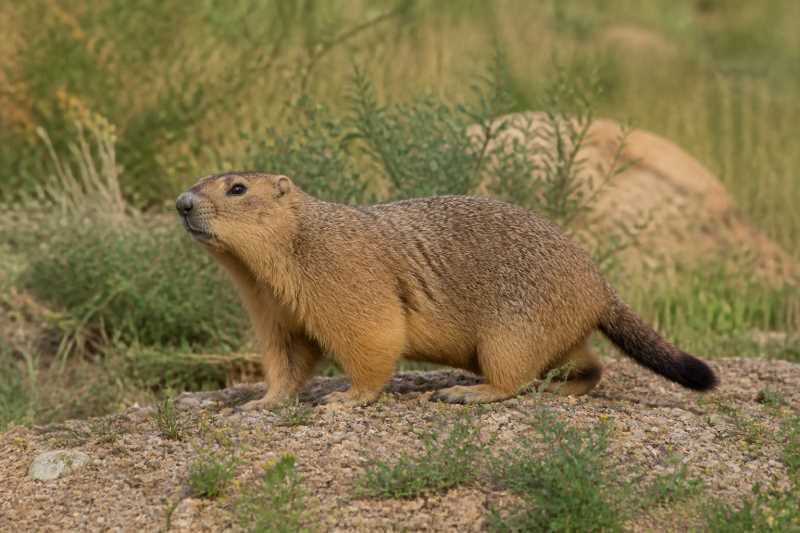
Forest Steppe Marmots are robust rodents with a characteristic stocky build. They typically weigh between 4 to 6 kilograms, although some individuals can reach weights of up to 9 kilograms in preparation for hibernation. Their bodies are covered in dense fur, which varies in color from reddish-brown to greyish-brown, helping them blend into their natural surroundings. These marmots have short, powerful legs equipped with strong claws for digging burrows. Their tails are relatively short but bushy, adding to their distinctive appearance.
The head of the Forest Steppe Marmot is broad with small, rounded ears and large, expressive eyes adapted for keen observation of their environment. Their incisors are sharp and continuously growing, a necessary adaptation for gnawing on tough vegetation. The combination of these physical traits equips the Forest Steppe Marmot well for survival in the forest steppe regions.
Range and Habitat
The Forest Steppe Marmot is primarily found in the forest steppe regions of Russia, particularly in areas that offer a mix of open grasslands and patches of trees or shrubs. This habitat preference provides them with ample food resources and suitable locations for burrow construction. The distribution of this species is relatively limited compared to other marmots, making its specific habitat requirements critical for its survival.
These marmots prefer areas with loose, well-drained soils that are suitable for digging extensive burrow systems. These burrows not only serve as shelters from predators but also provide a refuge during extreme weather conditions. The forest steppe’s unique climate, characterized by hot summers and cold winters, is an ideal setting for the seasonal activities of the Forest Steppe Marmot.
Behavior and Diet
Forest Steppe Marmots are highly social animals, often living in colonies that consist of several family groups. These social structures are essential for their survival, offering protection against predators and aiding in the rearing of young. Marmots communicate with each other through a series of vocalizations, including whistles and chirps, which serve as alarms or social signals.
The diet of the Forest Steppe Marmot is primarily herbivorous, consisting of grasses, herbs, and various plant materials available in their environment. During the summer months, they engage in intensive foraging to build fat reserves necessary for hibernation. In preparation for winter, these marmots enter a state of hibernation that can last up to six months, during which time they rely on their stored body fat for energy.
Identification Tips (Field Recognition Cues)
Identifying a Forest Steppe Marmot in the wild requires careful observation of several key characteristics:
- Coloration: Look for their distinctive reddish-brown to greyish-brown fur, which blends into the grassy and wooded areas of the forest steppe.
- Size and Shape: Note the marmot’s robust, stocky build, short legs, and bushy tail, which distinguish them from other rodents.
- Vocalizations: Listen for their sharp whistles and chirps, particularly when they are alarmed by potential threats.
- Habitat: Consider the location. If you are in the forest steppe regions of Russia, you are in the right habitat to encounter this species.
Observing these cues can greatly increase the likelihood of successfully identifying a Forest Steppe Marmot in its natural habitat.
Conservation Status (With Threats and Protections)
The conservation status of the Forest Steppe Marmot is currently listed as Least Concern by the IUCN. However, like many species, they face several threats that could impact their populations. Habitat destruction due to agricultural expansion and land development poses a significant risk to their natural habitats. Additionally, climate change can alter the delicate balance of the forest steppe ecosystem, affecting the availability of food resources and suitable burrowing conditions.
Conservation efforts for the Forest Steppe Marmot include habitat preservation and monitoring population trends to ensure their continued survival. Protected areas within their range help safeguard their natural environment, while research on their ecology and behavior provides valuable insights for conservation strategies.
Frequently Asked Questions
What is the diet of a Forest Steppe Marmot?
The diet of a Forest Steppe Marmot is primarily herbivorous. They consume grasses, herbs, and other plant materials, which they forage during the warmer months to build fat reserves for hibernation.
How do Forest Steppe Marmots communicate?
Forest Steppe Marmots communicate using a variety of vocalizations, including whistles and chirps. These sounds serve as alarm calls to warn colony members of potential predators and as social signals within the group.
Where can I find Forest Steppe Marmots in the wild?
Forest Steppe Marmots are found in the forest steppe regions of Russia. They prefer habitats that offer a mix of open grasslands and wooded areas with loose, well-drained soils for burrow construction.
What threats do Forest Steppe Marmots face?
Habitat destruction due to agricultural expansion, land development, and climate change are significant threats to the Forest Steppe Marmot. These factors can lead to habitat loss and reduced availability of food resources.
Are Forest Steppe Marmots endangered?
Currently, Forest Steppe Marmots are listed as Least Concern by the IUCN. However, ongoing monitoring and conservation efforts are necessary to address potential threats and ensure their continued survival.
Related posts