Northern Hoary Bat (Lasiurus cinereus): A Comprehensive Guide
Introduction
The Northern Hoary Bat (Lasiurus cinereus) is a fascinating mammal species endemic to North America, renowned for its distinctive fur and extensive migratory habits. As one of the largest bats native to the continent, the Northern Hoary Bat plays a crucial role in maintaining ecological balance by controlling insect populations. This article delves into the various aspects of this remarkable species, from its physical characteristics and habitat preferences to its conservation status and tips for identification in the field.
Physical Description
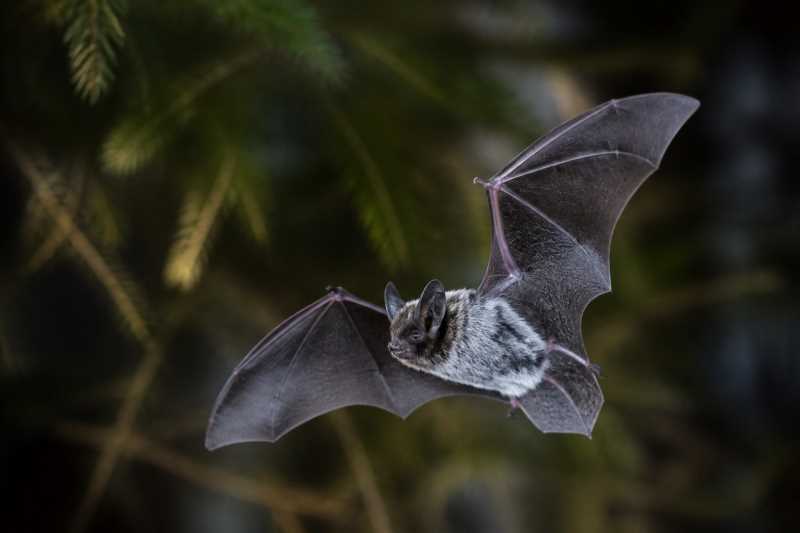
The Northern Hoary Bat is easily recognizable due to its unique coloration and size. This species possesses a dense coat of fur that is predominantly grayish-brown with a frosted, or "hoary," appearance due to white tips on the hair. The fur covers not only the body but also extends onto the wings and tail membrane.
Adult hoary bats typically measure between 13 to 15 centimeters in body length, with a wingspan of approximately 40 centimeters, making them one of the largest bats in North America. Males and females are similar in size, though females are often slightly larger. The species is also characterized by its rounded ears and blunt-tipped wings, adaptations that aid in its swift and agile flight.
Range and Habitat
The Northern Hoary Bat is a migratory species with a widespread range across North America, extending from Canada to Central America. During the warmer months, these bats are primarily found in forested regions of Canada and the northern United States. In contrast, they migrate to warmer climates, such as the southern United States and Central America, during winter.
Preferred habitats include deciduous and coniferous forests where they roost in trees, often choosing foliage or bark crevices for shelter. Despite their preference for forested areas, Northern Hoary Bats are also known to inhabit urban parks and garden areas, illustrating their adaptability to various environments.
Behavior and Diet
Northern Hoary Bats are nocturnal creatures, emerging at dusk to feed. Their diet primarily consists of insects, including moths, beetles, and flies, which they catch in mid-flight using their exceptional echolocation abilities. Hoary bats are solitary hunters, though they may occasionally be seen in groups during migration.
In terms of behavior, these bats are known for their long-distance migrations, traveling thousands of kilometers between their summer and winter habitats. This migratory behavior is unique among tree-roosting bats and is crucial for exploiting seasonal resources and avoiding harsh weather conditions.
Identification Tips (Field Recognition Cues)
Identifying the Northern Hoary Bat in the wild can be challenging, yet there are several cues that can aid in recognition:
- Fur Coloration: Look for the distinctive grayish-brown fur with white "hoary" tips, which gives the bat its name.
- Size: Note the relatively large size, with a wingspan of about 40 centimeters.
- Flight Pattern: Observe their flight, which is typically fast and direct, often at higher altitudes.
- Habitat: Consider the habitat—these bats are often found in forested areas or urban parks.
Conservation Status (With Threats and Protections)
The Northern Hoary Bat is currently classified as "Least Concern" by the International Union for Conservation of Nature (IUCN). However, like many bat species, they face several threats that could impact their populations in the future.
Threats
- Habitat Loss: Deforestation and urbanization reduce available roosting sites.
- Wind Turbines: Mortality due to collisions with wind turbines is a significant threat, especially during migration.
- Climate Change: Altered weather patterns can affect migration and food availability.
Protections
Conservation efforts for the Northern Hoary Bat include:
- Habitat Conservation: Protecting forested areas and promoting urban green spaces.
- Research and Monitoring: Conducting studies to better understand their migratory patterns and population dynamics.
- Wind Energy Mitigation: Implementing strategies to reduce bat fatalities at wind farms, such as adjusting turbine operations during peak migration times.
Frequently Asked Questions
What do Northern Hoary Bats eat?
Northern Hoary Bats primarily feed on insects such as moths, beetles, and flies. They utilize echolocation to detect and capture their prey in mid-flight.
How can you identify a Northern Hoary Bat?
Identification is based on their large size, distinctive frosted fur, and their preferred forested or park habitats. Observing their unique flight patterns can also help.
Are Northern Hoary Bats endangered?
Currently, the Northern Hoary Bat is not endangered and is listed as "Least Concern." However, they face threats such as habitat loss and wind turbine collisions.
Why do Northern Hoary Bats migrate?
These bats migrate to exploit seasonal resources and avoid adverse weather conditions. They travel long distances between summer habitats in the north and winter habitats in the south.
What are the main threats to Northern Hoary Bats?
The main threats include habitat loss, wind turbine collisions, and the impacts of climate change on their migration and food supply.
Related posts