Gray-collared Chipmunk (Neotamias cinereicollis): A Comprehensive Guide
Introduction
The Gray-collared Chipmunk (Neotamias cinereicollis) is a fascinating small mammal found primarily in North America. This species is part of the diverse Sciuridae family, which includes squirrels, prairie dogs, and other types of chipmunks. With its unique physical characteristics and behaviors, the Gray-collared Chipmunk has captivated the interest of wildlife enthusiasts and researchers alike. This article aims to provide an in-depth overview of this intriguing species, covering aspects from physical description and habitat to conservation status and frequently asked questions.
Physical Description
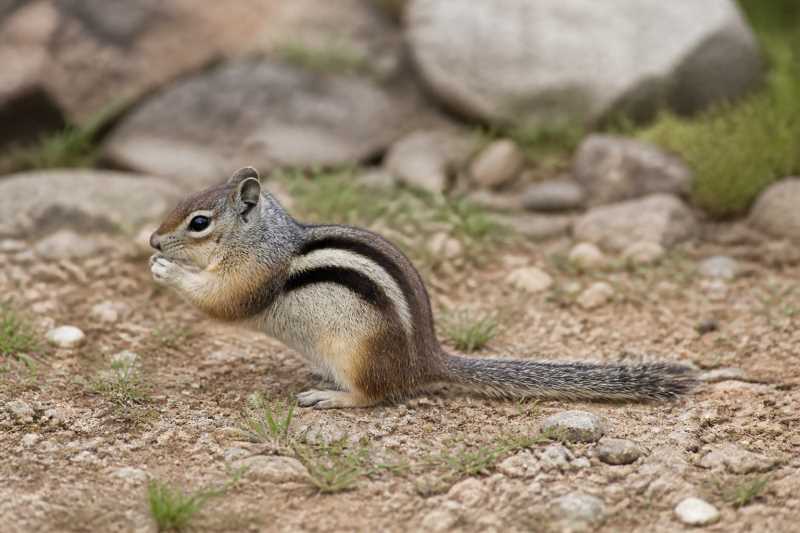
The Gray-collared Chipmunk is a small rodent, measuring approximately 8 to 10 inches in total length, including its tail, which accounts for about 3 to 4 inches. The species is easily distinguishable by its distinct grayish band or "collar" that extends around its neck, giving it its common name. The rest of its fur is a mix of reddish-brown and gray tones, allowing it to blend seamlessly into its natural surroundings.
Their fur is soft and dense, providing insulation during colder months. The chipmunks have large, expressive eyes, which contribute to their keen sense of sight. Their sharp claws and strong hind legs enable them to climb and navigate their arboreal and terrestrial habitats with ease.
Range and Habitat
The Gray-collared Chipmunk is primarily found in the southwestern United States and parts of Mexico. Its range includes the mountainous regions of Arizona, New Mexico, and into the Sierra Madre Occidental in Mexico. The species prefers montane forests, particularly those dominated by ponderosa pines and mixed conifers.
These chipmunks are adept at living in a variety of elevations, typically ranging from 5,000 to 9,000 feet above sea level. They thrive in habitats that offer ample cover and food resources, such as dense understories and abundant tree canopies. Rocky crevices and fallen logs provide ideal nesting and hiding spots, essential for their survival and reproduction.
Behavior and Diet
Gray-collared Chipmunks are diurnal creatures, meaning they are most active during the day. Their behavior is characterized by bursts of activity interspersed with periods of rest. They are known for their agility and speed, which they use to evade predators and forage for food.
These chipmunks are primarily herbivorous, with a diet consisting of seeds, nuts, fruits, and occasionally insects. Their foraging habits play a crucial role in their ecosystem, as they help in seed dispersal, thus promoting plant diversity and forest regeneration.
Social interactions among Gray-collared Chipmunks are generally limited outside of the breeding season. They are territorial animals, often defending their home ranges from intruders. Communication is facilitated through vocalizations and scent markings, which help establish boundaries and attract mates.
Identification Tips
Identifying the Gray-collared Chipmunk in the field can be challenging due to its similarity to other chipmunk species. Here are some tips to aid recognition:
- Collar Marking: Look for the distinctive gray collar around the neck, which is a key distinguishing feature.
- Size and Tail: Note the overall size of 8 to 10 inches and the relative length of the tail, which is bushier compared to other species.
- Fur Coloring: Observe the reddish-brown and gray fur pattern, which differs slightly from the more uniform coloring of other chipmunks.
- Behavior: Watch for its characteristic movements and foraging behavior, often seen scurrying across the forest floor or climbing trees.
Conservation Status
The Gray-collared Chipmunk is currently listed as a species of "Least Concern" by the International Union for Conservation of Nature (IUCN). However, like many wildlife species, it faces several threats that could impact its population in the future.
Threats
- Habitat Loss: Deforestation and land development pose significant threats by reducing available habitat and food sources.
- Climate Change: Alterations in climate patterns can affect the chipmunk’s habitat, leading to changes in food availability and habitat suitability.
- Predation: Natural predators include birds of prey, snakes, and larger mammals. Human encroachment increases the likelihood of encounters with domestic pets.
Protections
Conservation efforts are focused on habitat preservation and monitoring population trends. Protected areas and national parks play a crucial role in providing safe habitats for the Gray-collared Chipmunk.
Frequently Asked Questions
How do Gray-collared Chipmunks communicate?
Gray-collared Chipmunks communicate through vocalizations, such as chirps and trills, as well as through scent markings. These communications help establish territory and attract mates.
What is the primary diet of the Gray-collared Chipmunk?
The primary diet of the Gray-collared Chipmunk consists of seeds, nuts, and fruits, supplemented occasionally by insects. They play a significant role in seed dispersal within their habitat.
Where can I find Gray-collared Chipmunks in the wild?
You can find Gray-collared Chipmunks in the mountainous regions of the southwestern United States, particularly in Arizona and New Mexico, as well as parts of Mexico.
Are Gray-collared Chipmunks endangered?
No, Gray-collared Chipmunks are not considered endangered. They are listed as "Least Concern," but they do face threats from habitat loss and climate change.
What adaptations help Gray-collared Chipmunks survive?
Adaptations such as a keen sense of sight, sharp claws for climbing, and the ability to store food for winter help Gray-collared Chipmunks survive in their environment.
Related posts