Dark Tree-rat (Echimys saturnus): A Comprehensive Guide
Introduction
The Dark Tree-rat, scientifically known as Echimys saturnus, is a fascinating rodent species belonging to the family Echimyidae. This elusive mammal is native to South America and is renowned for its arboreal lifestyle and nocturnal habits. Despite being less studied compared to other rodent species, the Dark Tree-rat plays a significant role in its ecosystem, contributing to seed dispersal and forest dynamics. This article delves into the intricate details of the Dark Tree-rat, covering aspects from its physical description to its conservation status.
Physical Description
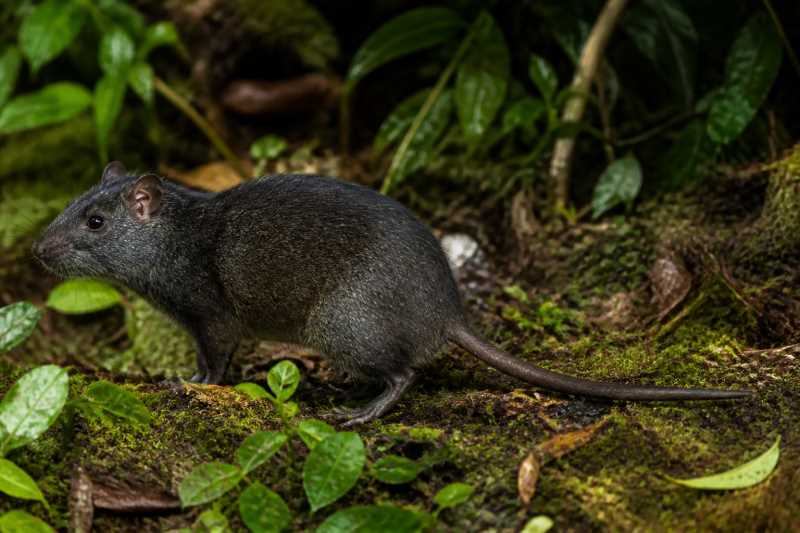
The Dark Tree-rat is a medium-sized rodent characterized by its distinctive dark brown to blackish fur, which provides excellent camouflage against the forest canopy. Its fur is dense and coarse, helping it adapt to the humid and tropical conditions of its habitat. The body length of an adult Dark Tree-rat ranges from 20 to 30 centimeters, with a tail that is typically as long as the body, aiding in balance and navigation through trees.
One of the most notable features of the Dark Tree-rat is its large, sharp claws, which are perfectly adapted for climbing. Its limbs are strong and muscular, allowing it to move swiftly and efficiently in its arboreal environment. The eyes are relatively large and positioned on the sides of the head, providing a wide field of vision crucial for detecting predators and foraging for food at night.
Range and Habitat
The Dark Tree-rat is primarily found in the tropical rainforests of South America, with its range extending across countries such as Brazil, Peru, and Colombia. These rodents thrive in dense forest environments where they can exploit the vertical stratification of their habitat. They prefer areas with a rich understory and a substantial canopy cover, which offers both protection from predators and a plethora of food resources.
The species is highly dependent on the forest ecosystem, particularly in regions that have not been heavily disturbed by human activity. The presence of large trees is crucial for their survival, as they rely on these structures for nesting, foraging, and evasion from ground-dwelling predators.
Behavior and Diet
Dark Tree-rats are nocturnal creatures, spending the majority of their waking hours foraging for food under the cover of darkness. Their diet primarily consists of fruits, seeds, and nuts, making them important seed dispersers within their ecosystem. This dietary habit not only helps maintain plant diversity but also aids in forest regeneration.
These rodents are solitary animals, with each individual maintaining a territory that it defends from intruders. Communication among Dark Tree-rats is primarily through vocalizations and scent markings, which play a crucial role in maintaining social structure and breeding activities.
During the day, Dark Tree-rats rest in nests constructed in tree hollows or dense foliage, providing safety from predators such as birds of prey and larger mammals. Their ability to navigate the forest canopy with agility is a testament to their specialized adaptations for an arboreal lifestyle.
Identification Tips (Field Recognition Cues)
Identifying a Dark Tree-rat in the wild can be challenging due to its elusive nature and nocturnal habits. However, there are several field recognition cues that can aid in identification:
- Fur Coloration: Look for the distinctive dark brown to blackish fur, which sets it apart from other tree-dwelling rodents.
- Tail Characteristics: Note the long, bushy tail, which is often used for balance and can be seen hanging from branches.
- Vocalizations: Listen for their unique calls at night, which are used for communication and territorial defense.
- Claw Marks: Observe tree trunks for characteristic claw marks, indicative of climbing activity.
- Nesting Sites: Check for nests in tree hollows or densely foliated areas, often the resting place of these rodents during daylight hours.
Conservation Status (with Threats and Protections)
The conservation status of the Dark Tree-rat is currently listed as "Least Concern" by the International Union for Conservation of Nature (IUCN). However, this status does not imply that the species faces no threats. Habitat destruction, primarily due to deforestation for agriculture and logging, poses a significant threat to their populations. As forest areas are cleared, the Dark Tree-rat loses critical habitat, leading to potential declines in population numbers.
Conservation efforts are essential to mitigate these threats and ensure the survival of the species. Protected areas and national parks in South America play a crucial role in preserving the natural habitats of the Dark Tree-rat. Additionally, sustainable forest management practices and reforestation initiatives can help maintain and restore suitable habitats for these rodents.
Frequently Asked Questions
What does the Dark Tree-rat eat?
The Dark Tree-rat primarily feeds on fruits, seeds, and nuts. Its diet makes it an important seed disperser, contributing to plant diversity and forest regeneration.
Where can you find the Dark Tree-rat?
The Dark Tree-rat is found in the tropical rainforests of South America, particularly in Brazil, Peru, and Colombia. It inhabits dense forests with substantial canopy cover.
How does the Dark Tree-rat adapt to its environment?
The Dark Tree-rat has several adaptations for its arboreal lifestyle, including sharp claws for climbing, a long tail for balance, and dense fur to cope with humid conditions.
Is the Dark Tree-rat endangered?
Currently, the Dark Tree-rat is listed as "Least Concern" by the IUCN. However, habitat destruction poses a significant threat to its population, necessitating conservation efforts.
What are the predators of the Dark Tree-rat?
Predators of the Dark Tree-rat include birds of prey and larger mammals. Its nocturnal and arboreal habits help it evade many ground-dwelling predators.
Related posts