Introduction
The Quichua Porcupine, scientifically known as Coendou quichua, is a fascinating and unique rodent species found in South America. Known for their distinctive quills and arboreal lifestyle, these porcupines are an integral part of the ecosystems they inhabit. Despite their elusive nature, Quichua Porcupines play a crucial role in maintaining the ecological balance within their habitats. This article delves into the various aspects of this intriguing species, including their physical characteristics, habitat preferences, behavior, diet, and conservation status.
Physical Description
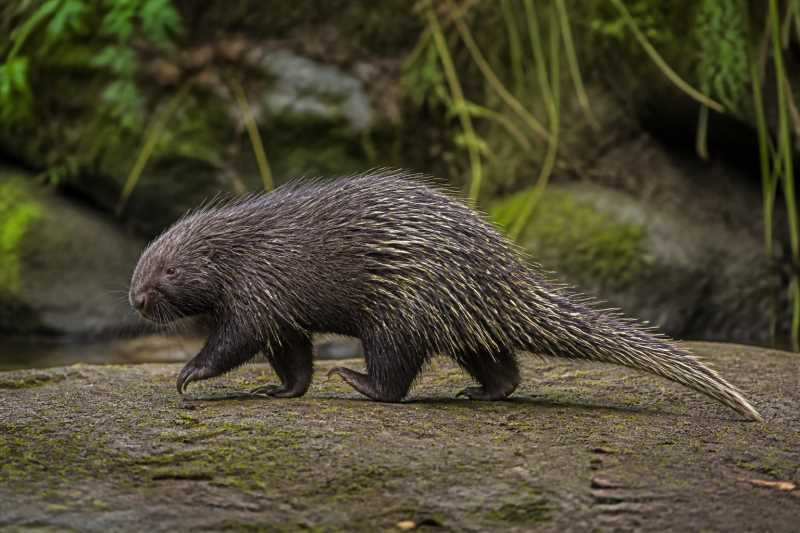
The Quichua Porcupine is a medium-sized rodent characterized by its spiny appearance. These creatures typically measure between 30 to 50 centimeters in length, with a tail that can add an additional 20 to 30 centimeters. Their weight ranges from 2 to 5 kilograms. The most distinctive feature of the Quichua Porcupine is its quills, which are modified hairs coated with thick plates of keratin. These quills serve as a defense mechanism against predators.
The coloration of the Quichua Porcupine varies from dark brown to a rich black, often with lighter tips on the quills. Their underbelly is generally lighter, providing some camouflage against the forest canopy. Their prehensile tail is a significant adaptation for their arboreal lifestyle, allowing them to grasp branches and navigate through trees with ease.
Range and Habitat
Quichua Porcupines are primarily found in the Andean regions of South America, particularly in countries like Ecuador, Peru, and Colombia. They inhabit a range of altitudes, from lowland tropical forests to mountainous cloud forests, showcasing their adaptability to different environments. These porcupines are arboreal, spending most of their lives in the trees, which provide both food and protection.
Their habitat preferences include areas with dense vegetation, where they can easily find food and shelter. The rich biodiversity of these forests supports a variety of plant species that the Quichua Porcupine feeds on, including leaves, fruits, and bark.
Behavior and Diet
Quichua Porcupines are primarily nocturnal creatures, which means they are most active during the night. Their nocturnal habits help them avoid predators and reduce competition for food. During the day, they rest in the safety of the trees, often in hollow trunks or among dense foliage.
Their diet mainly consists of plant material, including leaves, fruits, and bark. They are known to be selective feeders, often choosing young leaves and tender shoots that are easier to digest. Their feeding habits play a significant role in seed dispersal and the overall health of their forest ecosystems.
Identification Tips (Field Recognition Cues)
Identifying a Quichua Porcupine in the wild can be challenging due to their elusive nature and nocturnal habits. However, there are certain cues that can aid in their identification:
- Quills: Look for the characteristic quills that cover their body, which are often visible even when the animal is resting.
- Tail: Their prehensile tail is a key feature, often observed wrapped around branches.
- Nocturnal Activity: Spotting them is more likely during dusk or nighttime when they are active.
- Habitat: Focus on searching in dense, forested areas where they are most commonly found.
Conservation Status (With Threats and Protections)
The Quichua Porcupine is currently listed as a species of Least Concern by the International Union for Conservation of Nature (IUCN). However, their populations are affected by habitat loss due to deforestation and agricultural expansion. These activities not only reduce their living space but also diminish their food sources.
Efforts to conserve the Quichua Porcupine involve protecting their natural habitats and promoting sustainable land-use practices. Conservation initiatives often focus on creating protected areas and raising awareness about the ecological importance of these porcupines.
Frequently Asked Questions
Why is this species unique?
The Quichua Porcupine is unique due to its arboreal lifestyle and the presence of quills, which serve as an effective defense mechanism. Their prehensile tail and nocturnal habits further distinguish them from other rodents.
What role do they play in the ecosystem?
Quichua Porcupines contribute to their ecosystems by aiding in seed dispersal and maintaining plant diversity. Their feeding habits help control vegetation growth, promoting a balanced ecosystem.
Are Quichua Porcupines dangerous to humans?
While Quichua Porcupines are not inherently dangerous to humans, they can defend themselves with their sharp quills if threatened. It is best to observe them from a distance and avoid disturbing their habitat.
How do they reproduce?
Quichua Porcupines are solitary animals except during mating season. Females typically give birth to one offspring after a gestation period of about six months. The young are born with soft quills, which harden shortly after birth.
What conservation efforts are in place?
Conservation efforts include habitat protection, sustainable forestry practices, and environmental education programs aimed at preserving the natural environments of the Quichua Porcupine.
Related posts