Introduction
The Red-crowned Woodpecker, scientifically known as *Melanerpes rubricapillus*, is a bird species that captivates ornithologists and bird enthusiasts alike. Known for its striking plumage and distinctive behaviors, this woodpecker is an exemplary member of the Picidae family. This article delves into the biology, habitat, behavior, and conservation status of this fascinating bird, providing a comprehensive overview of its role within its ecosystem.
Taxonomy and Classification
The Red-crowned Woodpecker belongs to the genus *Melanerpes*, which comprises several species of woodpeckers native to the Americas. *Melanerpes rubricapillus* was first described by French ornithologist Louis Jean Pierre Vieillot in 1818. The species name ‘rubricapillus’ is derived from Latin, meaning ‘red-capped,’ which is a fitting description of the bird’s distinctive red crown.
Physical Characteristics
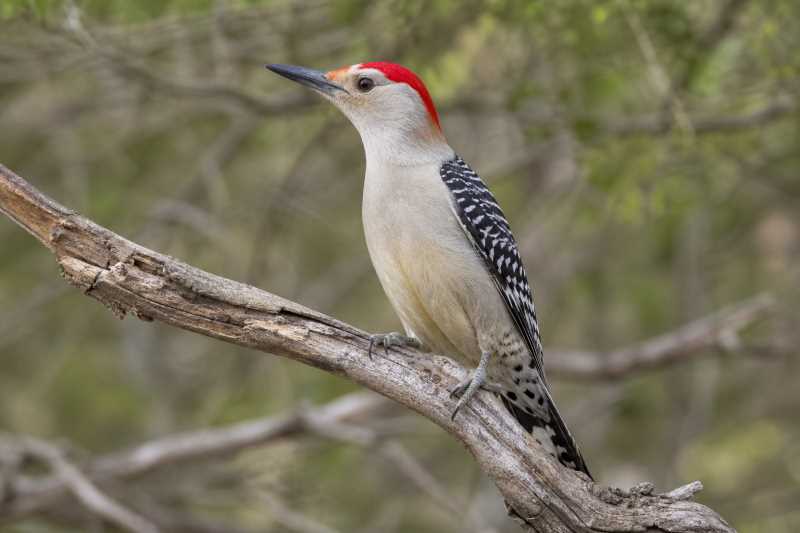
Red-crowned Woodpeckers are medium-sized birds, measuring about 20 to 24 centimeters in length with a wingspan of approximately 34 to 41 centimeters. They exhibit sexual dimorphism, where males and females can be distinguished by the extent of red on their heads. Males typically have a more pronounced red crown extending from the forehead to the nape, while females bear a more subdued red patch limited to the rear crown.
The plumage of these woodpeckers is a striking combination of black and white barring on their backs, with pale yellowish to golden undersides. The wings and tail are similarly patterned, providing excellent camouflage among the trees. Their beaks are strong and chisel-like, adapted for boring into wood to forage for insects and larvae.
Distribution and Habitat
The Red-crowned Woodpecker is native to a broad range extending from southern Mexico through Central America to northern South America, including countries like Colombia, Venezuela, and Ecuador. They inhabit a variety of environments, from tropical rainforests and mangroves to urban areas and agricultural lands. This adaptability in habitat selection is a significant factor in their widespread distribution.
Behavior and Diet
Red-crowned Woodpeckers are diurnal, meaning they are active during the day. They are known for their characteristic drumming behavior, which serves as a means of communication and territorial display. This drumming is produced by rapidly pecking on resonant surfaces, effectively establishing the presence of the woodpecker in the area.
Their diet is omnivorous, consisting primarily of insects and their larvae, fruits, nuts, and seeds. They are adept at foraging and use their strong beaks to excavate insects from tree bark or to access fruits. During the breeding season, they may also consume more protein-rich foods to support the energetic demands of raising young.
Breeding and Reproduction
The breeding season of the Red-crowned Woodpecker varies geographically but generally takes place during the onset of the rainy season when food resources are abundant. They are monogamous, forming pair bonds that last for several breeding seasons.
Nesting usually occurs in tree cavities, which the woodpeckers excavate themselves. Both sexes participate in the excavation of the nest cavity. The female typically lays about 3 to 5 eggs, which are incubated by both parents. The incubation period lasts approximately 12 to 14 days, and both parents are involved in feeding and caring for the chicks until they fledge, usually about a month after hatching.
Vocalizations
In addition to drumming, the Red-crowned Woodpecker communicates through a range of vocalizations. These include a variety of calls used to signal alarm, attract mates, or communicate with offspring. The calls are typically sharp and can vary in pitch and intensity depending on the context.
Conservation Status
Currently, the Red-crowned Woodpecker is classified as a species of Least Concern by the International Union for Conservation of Nature (IUCN). This classification is due to its broad range and stable population numbers. However, habitat loss due to deforestation and urbanization poses significant threats to certain local populations. Conservation efforts focus on preserving natural habitats and promoting sustainable land-use practices to ensure the long-term survival of this species.
Importance in Ecosystem
As a keystone species, the Red-crowned Woodpecker plays a crucial role in its ecosystem. By controlling insect populations and aiding in seed dispersal, they contribute to maintaining the ecological balance. Additionally, their nesting cavities are often used by other species, such as small birds and mammals, making them integral to the biodiversity of their habitats.
Conclusion
The Red-crowned Woodpecker is a remarkable species whose vibrant appearance and dynamic behaviors make it a subject of interest for both scientific study and nature observation. Understanding its ecology, behavior, and the challenges it faces is crucial for its conservation and the preservation of the ecosystems it inhabits. Continued research and conservation efforts are essential to ensure that future generations can witness the beauty and ecological importance of this striking woodpecker.
References
1. del Hoyo, J., Elliott, A., & Sargatal, J. (1999). Handbook of the Birds of the World. Vol. 5. Lynx Edicions.
2. Winkler, H., Christie, D. A., & Nurney, D. (1995). Woodpeckers. A Guide to the Woodpeckers of the World. Pica Press.
3. BirdLife International (2021). “Melanerpes rubricapillus.” The IUCN Red List of Threatened Species 2021.
Further Reading
– “The Life of Birds” by David Attenborough
– “Birds of Central America: Belize, Guatemala, Honduras, El Salvador” by Andrew C. Vallely and Dale Dyer
Related posts