Introduction
The Sorojchi Mountain Cavy (Microcavia sorojchi) is a fascinating species of rodent that is native to the mountainous regions of South America. Known for its adaptability and unique physiological traits, this small mammal has intrigued scientists and wildlife enthusiasts alike. This article delves into the various aspects of the Sorojchi Mountain Cavy’s life, including its physical attributes, habitat, behavior, and the conservation challenges it faces. Understanding this species is crucial for its preservation and offers insights into the biodiversity of the regions it inhabits.
Physical Description
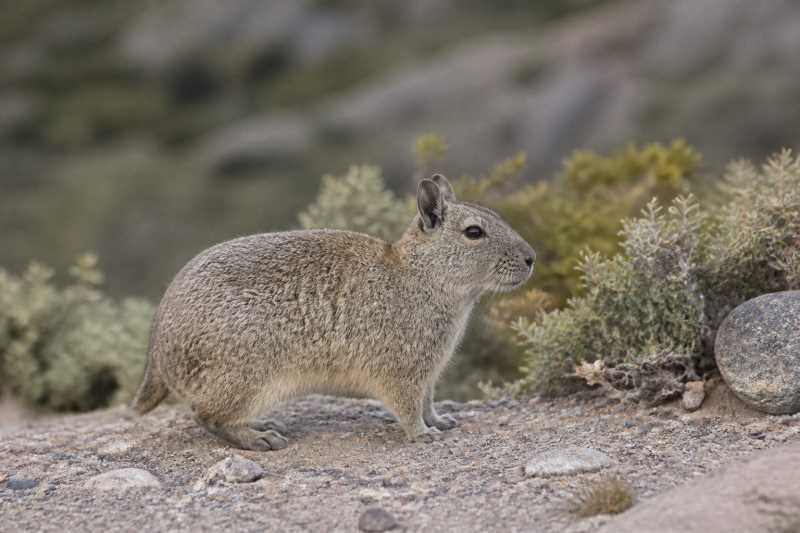
The Sorojchi Mountain Cavy is a relatively small rodent, with adults typically weighing between 300 to 500 grams. It boasts a compact body, measuring about 20 to 25 centimeters in length. Its dense fur, which ranges from grayish-brown to a lighter gray, provides excellent camouflage against the rocky terrain of its native habitat. The ears are small and rounded, aiding in minimizing heat loss in cooler climates. Unlike some of its cavy relatives, the Sorojchi Mountain Cavy has a relatively short tail, which is often hidden beneath its fur.
The species exhibits sexual dimorphism, with males generally larger and more robust than females. Their strong, nimble limbs are well-suited for traversing the rugged landscapes of their mountainous homes. One notable feature is their sharp, continuously growing incisors, which are crucial for gnawing on tough vegetation.
Range and Habitat
Microcavia sorojchi is predominantly found in the Andes Mountains, spanning regions of Bolivia and Peru. These areas are characterized by their high-altitude grasslands and rocky outcrops, providing the ideal environment for the cavy to thrive. The species is well-adapted to the harsh climatic conditions of these regions, where temperatures can fluctuate dramatically between day and night.
The Sorojchi Mountain Cavy favors open areas with sparse vegetation, which offer both protection from predators and access to food resources. They are often found near streams or other water sources, which are essential for their survival in the arid high-altitude environment. The presence of natural shelters, such as crevices and burrows, is also a critical factor in their habitat selection.
Behavior and Diet
The Sorojchi Mountain Cavy is primarily diurnal, with most of its activity occurring during the daylight hours. It is a social animal, often seen in small groups that consist of family units. These groups communicate through a series of vocalizations and physical gestures, which help to strengthen social bonds and coordinate activities such as foraging and predator avoidance.
Their diet is mainly herbivorous, consisting of grasses, leaves, and other vegetation native to their mountainous habitat. During the dry season, when food is scarcer, they have been observed to consume bark and other fibrous materials. This dietary flexibility is a key factor in their ability to survive in a challenging environment.
Identification Tips (Field Recognition Cues)
Identifying the Sorojchi Mountain Cavy in the wild can be a rewarding experience for wildlife enthusiasts. Here are a few tips to help you recognize this species:
- Size and Shape: Look for a small, robust rodent with a compact body and a short, hidden tail.
- Fur Coloration: Note the grayish-brown to light gray fur, which blends seamlessly with the rocky terrain.
- Behavior: Observe groups of cavies during daylight hours, often foraging or sunning themselves on rocks.
- Vocalizations: Listen for the distinct chirping and squeaking sounds they use to communicate.
- Habitat: Focus your search in high-altitude grasslands with abundant rock cover and proximity to water sources.
Conservation Status (With Threats and Protections)
The Sorojchi Mountain Cavy is currently listed as a species of Least Concern by the IUCN Red List, but it faces several threats that could impact its population in the future. Habitat loss due to agricultural expansion and mining activities poses a significant risk. Additionally, climate change could alter the delicate ecosystems of the Andes, affecting the availability of food and water resources.
Conservation efforts are primarily focused on habitat protection and monitoring population trends. Protected areas within the Andes provide critical sanctuaries for the species, and continued research is necessary to understand the full impact of environmental changes on their habitat. Community-based conservation initiatives also play a vital role in promoting sustainable land use practices that benefit both the Sorojchi Mountain Cavy and local human populations.
Frequently Asked Questions
What is the lifespan of the Sorojchi Mountain Cavy?
The Sorojchi Mountain Cavy typically lives for about 4 to 6 years in the wild, although individuals in captivity may live slightly longer due to the absence of predators and controlled environmental conditions.
How does the Sorojchi Mountain Cavy adapt to high-altitude environments?
This species has evolved several physiological adaptations to thrive at high altitudes, including efficient oxygen uptake mechanisms and a diet that maximizes nutrient extraction from available vegetation.
Are Sorojchi Mountain Cavies related to guinea pigs?
Yes, the Sorojchi Mountain Cavy is part of the same family, Caviidae, as the domesticated guinea pig. They share several physical and behavioral traits but differ significantly in terms of habitat and lifestyle.
Related posts