The Flores Leaf Warbler: A Hidden Jewel of Indonesian Biodiversity
Introduction
Nestled within the lush green canopies of the Indonesian archipelago is a tiny bird that often goes unnoticed, yet plays a crucial role in the ecosystem of the region. The Flores Leaf Warbler (Phylloscopus floresianus), an avian gem endemic to the island of Flores, is a testament to the rich biodiversity of Indonesia. Despite its diminutive size, this warbler is a vital part of the ecological tapestry, and its study offers insights into the health and biodiversity of its habitat.
Taxonomy and Description
The Flores Leaf Warbler belongs to the family Phylloscopidae, which comprises small insectivorous birds primarily found in Eurasia. Previously considered a subspecies of the Timor Leaf Warbler, the Flores Leaf Warbler was recognized as a distinct species due to differences in vocalization, morphology, and genetic data.
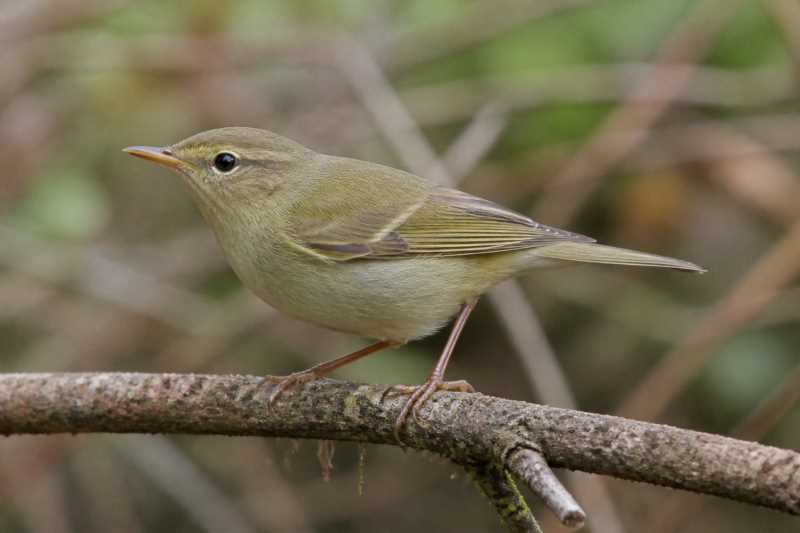
Characterized by its olive-green upperparts and yellowish underparts, the Flores Leaf Warbler is a small bird measuring approximately 11 centimeters in length. It has a delicate frame, yet its distinct song resonates through the forest. The warbler’s call, a series of high-pitched notes, is often the first indication of its presence amid the dense foliage.
Habitat and Distribution
The Flores Leaf Warbler is endemic to the island of Flores, part of the Lesser Sunda Islands in Indonesia. Its natural habitat is the montane and submontane forests, typically found at elevations between 1,000 and 2,000 meters. These forests provide a rich environment replete with insects and other invertebrates that form the primary diet of this bird.
Flores’ topography, with its volcanic mountains and dense forests, offers a unique ecological niche for the warbler. The island’s isolation has contributed to the evolution of distinct species, of which the Flores Leaf Warbler is a prime example. However, this isolation also makes the species susceptible to habitat changes and environmental threats.
Behavior and Ecology
The Flores Leaf Warbler is primarily insectivorous, foraging among the leaves and branches in search of caterpillars, beetles, and other small insects. Its feeding habits play a significant role in controlling insect populations, thereby maintaining a balance within its ecosystem.
These warblers are highly active and exhibit a restless demeanor as they flit through the forest canopy. They are often observed in pairs or small groups, communicating with their characteristic calls. During the breeding season, which aligns with the wet season to coincide with an abundance of food resources, the warblers become more vocal and territorial.
Nesting occurs in dense foliage where the female constructs a cup-shaped nest. The clutch typically consists of two to three eggs, which are incubated solely by the female. The male assists by defending the territory and feeding the female while she incubates the eggs.
Conservation Status
The International Union for Conservation of Nature (IUCN) currently lists the Flores Leaf Warbler as Least Concern, indicating that it is not immediately at risk of extinction. However, the species is vulnerable to habitat loss due to deforestation and agricultural expansion. The conversion of forest land into agricultural plots poses a significant threat to its habitat.
Conservation efforts are essential to ensure the survival of the Flores Leaf Warbler. Protecting the montane forests of Flores from further deforestation is critical. Sustainable land management practices and the establishment of protected areas can help preserve the natural habitats of this and other endemic species on the island.
The Importance of Biodiversity
The Flores Leaf Warbler, though small, is an integral part of the island’s biodiversity. Its presence is indicative of a healthy forest ecosystem. Biodiversity contributes to ecosystem services such as pollination, nutrient cycling, and pest control, which are essential for the health and stability of the environment.
Studying species like the Flores Leaf Warbler provides valuable insights into the impact of environmental changes and helps in developing strategies for biodiversity conservation. By understanding the intricate connections between species and their habitats, conservationists can work towards preserving the delicate balance necessary for sustaining life on the planet.
Conclusion
The Flores Leaf Warbler serves as a reminder of the rich and unique biodiversity found on the island of Flores. As an endemic species, it highlights the importance of conserving natural habitats and the need for continued research and conservation efforts. Protecting this small warbler and its habitat ensures the preservation of the rich ecological tapestry that sustains life on Flores, contributing to the global effort to conserve biodiversity.
In a world where environmental challenges grow more pressing, the Flores Leaf Warbler stands as both a symbol of nature’s beauty and a call to action for conservation. Through concerted efforts to protect such species and their habitats, we can safeguard the biodiversity that is vital to the health of our planet.
Related posts