The Enchanting Pink-headed Imperial Pigeon: A Jewel of the Avian World
The Pink-headed Imperial Pigeon, scientifically known as *Ducula rosacea*, is a captivating bird species that enchants birdwatchers and ornithologists alike. Its unique and vibrant plumage, coupled with its relatively elusive nature, makes it a fascinating subject for study and admiration. This article delves into the distinctive features, habitat, behavior, and conservation status of this remarkable bird, shedding light on why it holds a special place in the avian kingdom.
Distinctive Features and Physical Characteristics
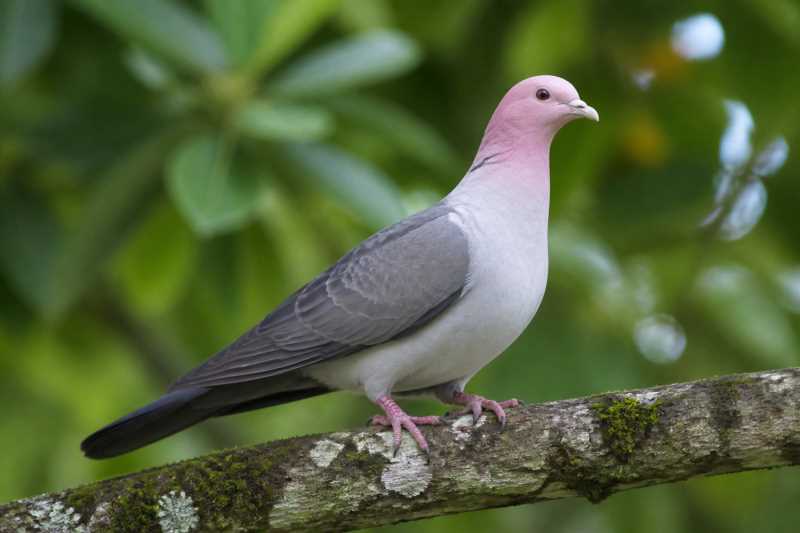
The Pink-headed Imperial Pigeon is renowned for its striking appearance. As its name suggests, the bird boasts a distinctive pinkish hue on its head, which contrasts beautifully with its otherwise predominantly white and gray body. The subtle gradation of colors from the pink head to the white underparts and gray wings creates a visually stunning display, making it one of the most beautiful pigeons in the world.
Measuring approximately 38 to 44 centimeters in length, the Pink-headed Imperial Pigeon is a relatively large bird within the pigeon family. Its robust body and broad wings are built for strong and swift flight, allowing it to navigate the dense forests with ease. The species also features a slightly hooked bill and strong legs, adaptations that facilitate its frugivorous diet.
Habitat and Distribution
Native to the lush landscapes of Southeast Asia, the Pink-headed Imperial Pigeon primarily inhabits the tropical and subtropical forests of Indonesia, including the islands of Sulawesi and the Lesser Sundas. These regions offer the dense canopy and abundant fruiting trees that the species relies on for survival.
The bird’s preference for dense forest environments makes it a somewhat elusive species, as it tends to remain high in the forest canopy. This habitat choice not only provides ample food resources but also offers protection from potential predators. Despite its preference for forested areas, the Pink-headed Imperial Pigeon has occasionally been spotted in mangroves and coastal regions, indicating its adaptability to various environments within its range.
Behavior and Diet
The Pink-headed Imperial Pigeon is primarily frugivorous, feeding on a diverse array of fruits from the forest canopy. Its diet includes figs, berries, and other soft fruits, which it plucks with precision using its adept bill. The bird’s role as a seed disperser is crucial in maintaining the health and biodiversity of its habitat, as it helps in the propagation of fruit-bearing trees.
In terms of social behavior, the Pink-headed Imperial Pigeon is generally observed in small flocks or pairs. During breeding season, these pigeons exhibit monogamous behavior, forming strong pair bonds. The breeding season is influenced by food availability, with nesting typically occurring during periods of fruit abundance.
The species is known for its distinctive cooing calls, which can be heard resonating through the forests. These vocalizations play a crucial role in communication, especially during mating displays and territorial defense.
Conservation Status and Threats
The conservation status of the Pink-headed Imperial Pigeon is currently classified as Near Threatened by the International Union for Conservation of Nature (IUCN). The primary threats to the species include habitat destruction due to deforestation and human encroachment. The expansion of agriculture, logging activities, and infrastructure development in Southeast Asia have led to significant habitat loss, putting pressure on the remaining populations of this exquisite bird.
Conservation efforts are underway to protect the Pink-headed Imperial Pigeon and its habitat. Protected areas have been established in key regions of Indonesia to safeguard the forests and biodiversity within. Additionally, initiatives aimed at promoting sustainable land use practices and raising awareness about the importance of conserving avian species are crucial in ensuring the survival of the Pink-headed Imperial Pigeon.
Conclusion
The Pink-headed Imperial Pigeon is not only a symbol of natural beauty but also an integral part of the ecosystem it inhabits. Its vibrant plumage and vital ecological role as a seed disperser underscore the importance of preserving its habitat and ensuring its continued survival. As we appreciate the magnificence of this avian jewel, it is imperative to support conservation efforts aimed at protecting the Pink-headed Imperial Pigeon and the rich biodiversity of Southeast Asia.
By fostering a deeper understanding of species like the Pink-headed Imperial Pigeon, we can contribute to a future where both wildlife and humans thrive in harmony, safeguarding the natural treasures of our planet for generations to come.
Related posts