Introduction
The Alpine Musk-deer, scientifically known as Moschus chrysogaster, is a captivating species that has intrigued wildlife enthusiasts and researchers alike. This elusive deer is renowned for its musk, a substance highly valued in the perfume industry, which has unfortunately put it at risk of overexploitation. Found in the rugged terrains of the Himalayas, the Alpine Musk-deer plays a vital role in its ecosystem, contributing to the biodiversity of its habitat. This article delves into the unique aspects of this species, exploring its physical characteristics, habitat preferences, behaviors, and the challenges it faces in the wild.
Physical Description
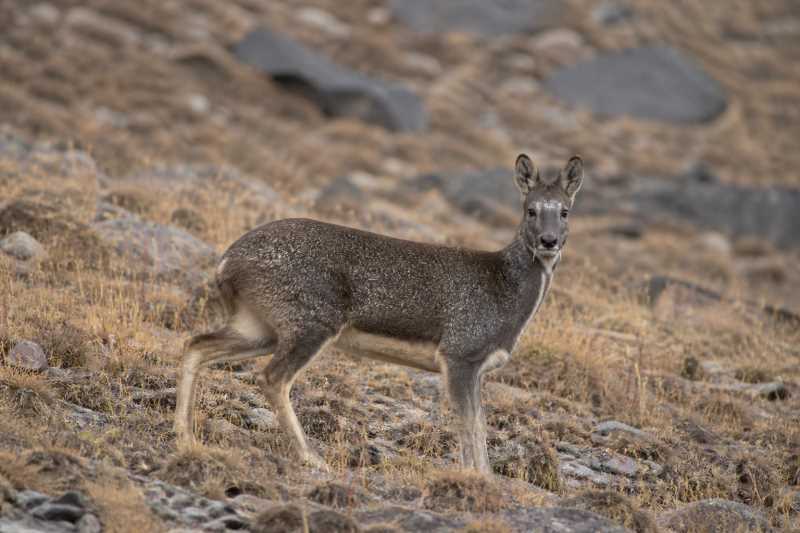
The Alpine Musk-deer is a small, primitive deer species distinguished by its lack of antlers, a characteristic typical of most deer. Instead, males possess elongated upper canines that resemble fangs, which are used primarily during mating disputes. The body length of the Alpine Musk-deer ranges from 80 to 100 centimeters (31 to 39 inches), and it stands about 50 to 70 centimeters (20 to 28 inches) at the shoulder. This deer has a compact body, adapted to its mountainous habitat, and weighs between 11 to 18 kilograms (24 to 40 pounds).
Its coat is dense and coarse, providing insulation against the harsh climatic conditions of its high-altitude environment. The fur is generally a grayish-brown color with white specks, offering excellent camouflage among rocky outcrops and snowy backdrops. The coat’s coloration and texture vary slightly with the seasons, becoming thicker and darker during the colder months.
Range and Habitat
The Alpine Musk-deer is predominantly found in the high-altitude regions of the Himalayas, spanning across countries like Nepal, Bhutan, India, and China. It inhabits elevations ranging from 2,500 to 5,000 meters (8,200 to 16,400 feet), although it is most commonly observed around 3,000 to 4,500 meters (9,800 to 14,800 feet).
These deer prefer steep, forested slopes and alpine meadows, which provide both the shelter and diet necessary for their survival. Dense coniferous forests of fir, rhododendron, and birch are typical of their habitat. The rugged terrain offers protection from predators and human disturbances, while the varied vegetation supports their dietary needs.
Behavior and Diet
Alpine Musk-deer are primarily solitary animals, although they may occasionally be seen in small groups during the mating season. They are crepuscular, meaning they are most active during the twilight hours of dawn and dusk. This behavior helps them avoid the heat of the day and reduces the risk of predation.
Their diet consists mainly of leaves, flowers, grasses, and mosses, which are abundant in their alpine habitat. They also consume lichens and twigs, particularly during the winter months when other food sources are scarce. Their feeding habits play a crucial role in maintaining the ecological balance of their habitat, as they help in seed dispersal and the promotion of vegetation growth.
Identification Tips (Field Recognition Cues)
Identifying an Alpine Musk-deer in the wild can be challenging due to their elusive nature and excellent camouflage. However, there are several field recognition cues to help spot them:
- Silhouette: Look for a small, stocky deer with no antlers and a hunched back, often seen standing still among rocks and bushes.
- Fur Pattern: The grayish-brown coat with white specks is a key identifier, especially against a snowy backdrop.
- Behavior: Watch for crepuscular activity, as they are most visible during early morning or late evening.
- Tracks: Their hooves leave small, heart-shaped prints, typically found near water sources or along forest trails.
Conservation Status (With Threats and Protections)
The Alpine Musk-deer is classified as Vulnerable on the IUCN Red List due to significant population declines. The primary threat to their survival is poaching, driven by the high demand for musk pods used in traditional medicine and perfumery. Habitat loss due to deforestation and expanding human settlements further exacerbates their vulnerability.
Conservation efforts are underway to protect these deer, including the establishment of protected areas and wildlife reserves in their native range. Anti-poaching patrols and community awareness programs are also crucial components of conservation strategies. International trade in musk is regulated under CITES (the Convention on International Trade in Endangered Species of Wild Fauna and Flora), which aims to curb illegal poaching and trafficking.
Frequently Asked Questions
What is the primary diet of the Alpine Musk-deer?
The Alpine Musk-deer primarily feeds on leaves, flowers, grasses, and mosses. During winter, they may also consume lichens and twigs.
How does the Alpine Musk-deer use its musk?
While only male Alpine Musk-deer produce musk, it is used primarily for territorial marking and attracting females during the mating season.
What are the main threats to the Alpine Musk-deer?
The main threats include poaching for musk, habitat loss due to deforestation, and human encroachment into their natural habitats.
Where can the Alpine Musk-deer be found?
They are found in the high-altitude regions of the Himalayas, across countries like Nepal, Bhutan, India, and China.
How can we help in the conservation of Alpine Musk-deer?
Supporting wildlife conservation organizations, promoting awareness, and advocating for stricter enforcement of anti-poaching laws can aid in their conservation.
Related posts