Introduction
The Pampas Deer (Ozotoceros bezoarticus) is a fascinating and elegant mammal species native to South America. Known for its graceful appearance and adaptability to various habitats, the Pampas Deer plays a significant role in the ecosystem of its native regions. Despite its charm, this species faces numerous challenges due to habitat loss and hunting pressures. This article delves into the biology, habitat, and conservation efforts surrounding the Pampas Deer, offering insights into its life and the ongoing efforts to ensure its survival.
Physical Description
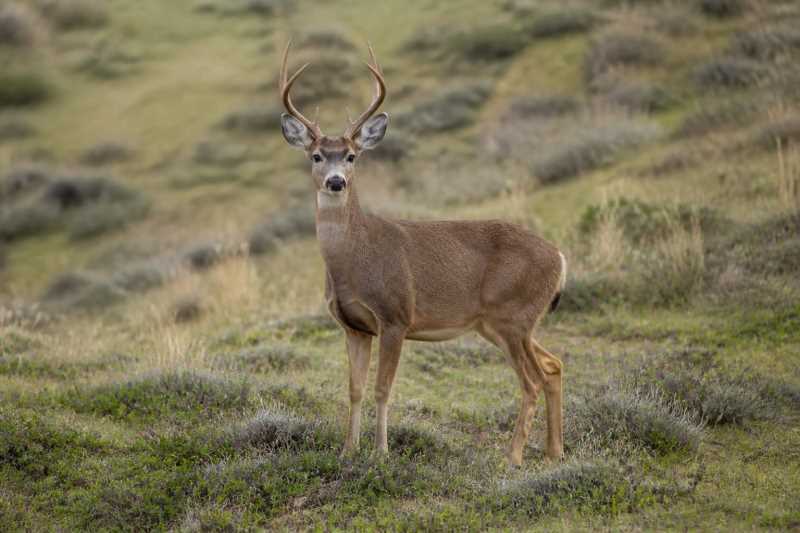
The Pampas Deer is a medium-sized deer species, characterized by its slender body and long, slender legs, which are well-adapted for running in open grasslands. Adult males typically stand between 70 to 75 centimeters at the shoulder, while females are slightly smaller. The body length ranges from 110 to 140 centimeters, with a tail length of approximately 10 to 15 centimeters.
The coat of the Pampas Deer is a light tan or reddish-brown color, providing excellent camouflage in its natural habitat. During the colder months, the coat may become thicker and darker to provide additional warmth and protection. Males are distinguished by their antlers, which are shed and regrown annually. These antlers typically have three to four points and are used during the breeding season to compete for mates. Both sexes have large, dark eyes and elongated ears, which enhance their sensory perception and awareness of predators.
Range and Habitat
The Pampas Deer is primarily found in South America, with its range extending across Argentina, Brazil, Bolivia, Paraguay, and Uruguay. The species is most closely associated with the Pampas region, which consists of vast grasslands and fertile plains, but it can also be found in savannas and open woodlands.
Historically, the Pampas Deer occupied a much larger range, but habitat destruction and fragmentation have significantly reduced its distribution. Today, populations are often isolated within protected areas or regions where human impact is minimal. Despite these challenges, the Pampas Deer demonstrates remarkable adaptability, surviving in regions with varying climatic conditions and altitudes.
Behavior and Diet
The Pampas Deer is primarily a diurnal species, most active during the early morning and late afternoon. This crepuscular activity pattern helps avoid the midday heat and reduces the likelihood of predator encounters. These deer are generally social animals, forming small groups or herds consisting of females and their offspring, while males may be solitary or form bachelor groups outside the breeding season.
The diet of the Pampas Deer is predominantly herbivorous, consisting of grasses, herbs, and leaves. Their feeding habits play a crucial role in maintaining the ecological balance of their habitat, as they help control vegetation growth and contribute to seed dispersal. During periods of food scarcity, they may expand their diet to include shrubs and other available plant material.
Identification Tips (Field Recognition Cues)
Identifying the Pampas Deer in the field requires keen observation of several key physical and behavioral traits:
- Coat Coloration: Look for a light tan or reddish-brown coat that blends seamlessly with grassland environments.
- Antlers: Males possess antlers with three to four points, which are particularly noticeable during the breeding season.
- Size and Build: Medium-sized body with long legs and a delicate build, adapted for speed and agility.
- Group Behavior: Typically seen in small groups, with males and females often segregated outside the breeding season.
- Habitat: Found in open grasslands, savannas, and occasionally in wooded areas within its South American range.
Conservation Status (With Threats and Protections)
The Pampas Deer is currently classified as Near Threatened by the International Union for Conservation of Nature (IUCN). The primary threats to the species include habitat loss due to agricultural expansion, urbanization, and infrastructure development. Additionally, illegal hunting and competition with livestock for resources further exacerbate the challenges faced by this species.
Conservation efforts are underway to protect the Pampas Deer, including the establishment of protected areas and reserves that provide safe havens for the species. Conservation programs also focus on habitat restoration, anti-poaching measures, and raising awareness about the ecological importance of the Pampas Deer. Collaboration between governments, NGOs, and local communities is crucial to the success of these efforts, as it ensures sustainable land-use practices and the long-term survival of the species.
Frequently Asked Questions
What do Pampas Deer eat?
Pampas Deer primarily feed on grasses, herbs, and leaves. During times of scarcity, they may also consume shrubs and other plant material.
How do Pampas Deer adapt to their environment?
Pampas Deer exhibit various adaptations, such as their coat coloration for camouflage, long legs for running in open areas, and social structures that enhance survival.
Where can Pampas Deer be found?
Pampas Deer are native to South America, primarily found in Argentina, Brazil, Bolivia, Paraguay, and Uruguay, inhabiting grasslands and open woodlands.
Are Pampas Deer endangered?
While not endangered, Pampas Deer are classified as Near Threatened due to habitat loss, hunting, and competition with livestock. Conservation efforts are in place to protect them.
What are the main threats to Pampas Deer?
The main threats include habitat loss from agriculture and urbanization, illegal hunting, and competition with livestock for resources.
Related posts